
Online Learning Platforms have transformed the way we access education, breaking down geographical barriers and making learning more flexible than ever before. With a click of a button, learners can dive into a world of knowledge offered by diverse platforms that cater to various needs and preferences. These platforms have evolved significantly over the years, adapting to advancements in technology and changing educational demands.
From their humble beginnings to the sophisticated systems we see today, online learning platforms have grown to support a wide range of learners, from school children to busy professionals seeking to upskill. The variety of formats—ranging from video tutorials to interactive courses—ensures that there is something for everyone, making education accessible and engaging.
Introduction to Online Learning Platforms
Online learning platforms have revolutionized the educational landscape by providing accessible, flexible, and diverse learning opportunities for students around the globe. These platforms enable learners to engage with educational content anytime and anywhere, breaking down geographical and temporal barriers that traditional education often imposes. Their significance in modern education is underscored by the increasing reliance on digital resources, especially in an increasingly interconnected world.The history of online learning platforms can be traced back to the early days of the internet, evolving from simple course delivery methods to sophisticated, interactive systems.
Initially, correspondence courses were offered via mail, which gradually transitioned to digital formats in the 1990s with the advent of the internet. The launch of platforms such as Coursera and edX in the early 2010s marked a significant milestone, allowing universities to reach a broader audience. Today, these platforms incorporate a range of multimedia resources, interactive tools, and community features that enhance the learning experience.
Types of Online Learning Platforms
The variety of online learning platforms available today reflects the diverse needs and preferences of learners. Understanding the different types can help individuals choose the right platform for their educational goals. Here are some of the main categories:
- Massive Open Online Courses (MOOCs): These platforms, like Coursera and edX, offer free or low-cost courses from universities and institutions worldwide, making high-quality education accessible to anyone with an internet connection.
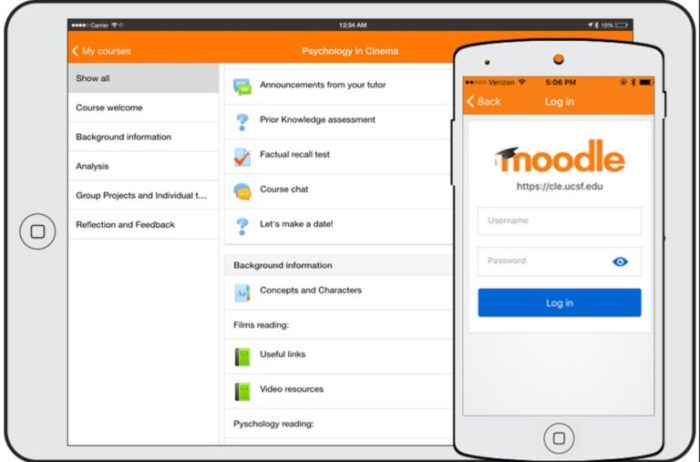
- Learning Management Systems (LMS): Used primarily by educational institutions and corporations, LMS such as Moodle and Canvas facilitate the administration, documentation, tracking, and delivery of educational courses.
- Skill Development Platforms: Websites like Udemy and Skillshare focus on specific skills and hobbies, allowing users to learn at their own pace through a variety of courses taught by industry professionals.
- Corporate Training Platforms: These platforms, such as LinkedIn Learning, provide tailored content for employee development, focusing on skills relevant to specific industries and companies.
- Social Learning Platforms: Platforms like Facebook Groups or Discord channels foster collaborative learning through discussions and peer learning, allowing users to share resources and insights.
Each type of platform serves unique educational needs, catering to different audiences and learning preferences. This diversity enhances the overall learning experience and provides multiple pathways for personal and professional development.
Features of Online Learning Platforms
Online learning platforms have transformed education by providing diverse and flexible learning environments. Unlike traditional classrooms, these platforms introduce innovative features that cater to a wide range of learning preferences and needs. Here, we will explore the distinctive characteristics that set online learning apart, the technological advancements that enhance the learning journey, and the significance of user interface and user experience.
Key Features of Online Learning Platforms
The primary features of online learning platforms that differentiate them from conventional educational settings include flexibility, accessibility, and a variety of learning resources. These platforms allow learners to engage with materials at their own pace and on their own schedule, making education accessible to a broader audience.
- Self-Paced Learning: Learners can progress through courses at their convenience, allowing for personalized learning experiences.
- Diverse Learning Materials: Online platforms offer a wealth of resources, including videos, quizzes, articles, and forums, catering to different learning styles.
- Global Reach: Students can connect with peers and instructors from around the world, fostering a diverse learning community.
- Real-Time Feedback: Many platforms provide instant assessments and feedback, enabling learners to track their progress and understand areas for improvement.
Role of Technology in Enhancing Learning Experience
Technology plays a pivotal role in online learning platforms, enhancing engagement and interactivity. The integration of various tech tools creates immersive educational experiences that traditional classrooms might not offer.
- Multimedia Integration: The use of videos, animations, and interactive simulations enriches the learning experience by presenting information in dynamic formats.
- Cloud Technology: This allows easy access to learning materials from any device with an internet connection, ensuring that education is always within reach.
- Artificial Intelligence: AI-driven algorithms personalize learning paths and recommend resources based on individual performance and preferences.
- Gamification: Incorporating game-like elements motivates learners by making the experience more enjoyable and rewarding.
Importance of User Interface and User Experience
The user interface (UI) and user experience (UX) are critical components of online learning platforms. A well-designed UI enhances usability, while a positive UX fosters engagement and satisfaction among learners.
- Intuitive Navigation: Easy-to-use navigation allows learners to locate courses and materials quickly, minimizing frustration and maximizing learning time.
- Visual Appeal: An attractive and clean design keeps users engaged and encourages further exploration of the platform.
- Responsive Design: Platforms that function well on various devices—such as smartphones, tablets, and desktops—ensure that learning is accessible anywhere and anytime.
- User Feedback Mechanisms: Options for users to provide feedback on their experiences help platforms continuously improve their offerings and address user needs effectively.
“User experience is paramount; if learners struggle with the platform, they struggle with learning.”
Popular Online Learning Platforms
The rise of online learning platforms has transformed the way education is delivered, making it more accessible and flexible for learners around the globe. These platforms provide a diverse range of courses, catering to various interests and needs, from academic subjects to professional development.Understanding the unique offerings of popular online learning platforms helps learners make informed choices about where to invest their time and resources.
Each platform has its strengths, focusing on different teaching methods, course formats, and target audiences.
List of Popular Online Learning Platforms
Here’s a list of widely recognized online learning platforms along with their unique offerings:
- Coursera: Offers courses from top universities and companies, focusing on professional development and academic subjects. Provides recognized certifications.
- Udemy: Features a vast range of courses across various topics, often created by individual instructors. Known for its affordability and diverse subject matter.
- edX: Provides access to high-quality courses from leading institutions, emphasizing a mix of free and paid options. Known for its MicroMasters programs.
- Khan Academy: Focused on K-12 education, offering free resources and courses in subjects like math and science. Ideal for school students and self-learners.
- LinkedIn Learning: Tailored for professionals looking to enhance their skills, with a strong emphasis on business, technology, and creative fields.
Comparative Analysis of Online Learning Platforms
A comparative analysis reveals the strengths and weaknesses of a few top platforms, helping learners choose the right fit for their needs.
| Platform | Target Audience | Unique Offerings | Pricing Model |
|---|---|---|---|
| Coursera | Students and professionals | University-backed courses and specializations | Free access with paid certifications |
| Udemy | General public | Diverse course topics and instructor-created content | Pay-per-course |
| Khan Academy | K-12 students and educators | Completely free educational resources | Free |
Target Audiences for Various Online Learning Platforms
Each online learning platform caters to specific audiences based on their unique offerings and course formats. Knowing these target audiences helps learners find the appropriate platform for their educational goals.
- Coursera: Primarily targets college students and professionals seeking to enhance their education or career prospects through accredited courses.
- Udemy: Attracts hobbyists and self-learners looking for affordable courses on a wide array of topics without the need for formal qualifications.
- Khan Academy: Focused on K-12 students, educators, and parents, providing resources that support traditional learning environments.
- LinkedIn Learning: Aimed at professionals seeking to develop specific skills relevant to their career development in various industries.
Benefits of Using Online Learning Platforms
Online learning platforms have transformed the educational landscape, offering remarkable advantages for both students and educators. These platforms provide flexibility and accessibility, catering to diverse learning needs and preferences. The ability to learn anytime and anywhere has made education more inclusive and accommodating, helping individuals from various backgrounds enhance their skills.One significant advantage of online learning platforms is their capacity to facilitate lifelong learning and professional development.
In today’s fast-paced world, continuous education is vital, and these platforms make it easier for individuals to stay updated. Whether it’s mastering a new skill or advancing in a career, online learning provides the resources needed for personal and professional growth.
Advantages for Students and Educators
Both students and educators benefit significantly from online learning platforms. For students, these platforms offer a plethora of resources, interactive content, and personalized learning experiences. Educators gain from the ability to reach a wider audience and utilize innovative teaching methods. Here are some key advantages:
- Accessibility: Students can access materials from anywhere, breaking geographical barriers.
- Variety of Learning Styles: Platforms often provide diverse resources, catering to visual, auditory, and kinesthetic learners.
- Self-Paced Learning: Students can progress through materials at their own speed, allowing for more tailored educational experiences.
- Cost-Effectiveness: Many platforms offer free or low-cost courses, making education more affordable.
- Analytics and Feedback: Educators can track student performance in real-time, helping to improve teaching strategies.
Facilitating Lifelong Learning
Online learning platforms are not just tools for traditional schooling; they promote a culture of lifelong learning that is essential in a rapidly changing job market. By offering courses that range from technical skills to personal development, these platforms empower individuals to take charge of their learning journeys. For example, platforms like Coursera and LinkedIn Learning provide certifications that professionals can add to their resumes, enhancing job prospects.
This kind of learning adapts to market demands, ensuring that individuals remain competitive in their fields.
Examples of Success Stories
Countless individuals have experienced transformative results through online learning platforms. For instance, a young professional named Sarah leveraged Udacity’s coding bootcamp to transition from a marketing role to a software developer position within a year. Her success story highlights the effectiveness of targeted online courses in skill acquisition.Similarly, John, a mid-career executive, utilized edX to enhance his leadership skills. After completing a series of courses, he applied his newfound knowledge to lead a major project at his company, leading to a promotion.
These success stories demonstrate how online learning platforms can change lives by equipping learners with the necessary skills for advancement.
Challenges and Limitations
Online learning platforms have revolutionized the way education is accessed and delivered, yet they come with their own set of challenges and limitations. Understanding these hurdles is essential for both learners and educators to navigate the online learning landscape effectively. This section will Artikel common challenges faced by users, highlight the limitations compared to traditional educational methods, and propose potential solutions to enhance the online learning experience.
Common Challenges Faced by Users
While online learning offers flexibility and convenience, it is not without its obstacles. Users often encounter several challenges that can hinder their learning experience. These challenges include:
- Technical Issues: Connectivity problems, software glitches, and device compatibility can disrupt the learning process.
- Lack of Personal Interaction: The absence of face-to-face communication may lead to feelings of isolation and disengagement.
- Self-Motivation: Online learning requires a high degree of self-discipline and motivation, which some learners may struggle to maintain.
- Information Overload: The vast amount of available resources can overwhelm learners, making it difficult to focus on key materials.
- Difficulty in Assessment: Evaluating progress and understanding can be challenging without traditional in-person assessments.
Limitations of Online Learning Compared to Traditional Education
Despite its advantages, online learning has certain limitations that can affect the overall educational experience. These limitations often include:
- Limited Hands-On Experience: Subjects that require practical application, such as science labs or art classes, may not translate well to online formats.
- Variability in Quality: The quality of online courses can vary significantly, leading to inconsistencies in the learning experience.
- Dependence on Technology: Not all students have equal access to the necessary technology, which can cause disparities in learning opportunities.
- Challenges with Accountability: The self-directed nature of online learning can lead to decreased accountability compared to structured classroom environments.
- Lack of Recognition: Some employers and institutions may still prefer traditional degrees, viewing online credentials as less credible.
Potential Solutions to Overcome Challenges
To mitigate the challenges and limitations associated with online learning, various strategies can be implemented. These solutions aim to enhance the effectiveness and accessibility of online education. Consider the following approaches:
- Enhanced Support Systems: Providing technical support and guidance can help users navigate online platforms more efficiently.
- Fostering Community Engagement: Creating virtual study groups or forums can combat feelings of isolation and promote peer interaction.
- Structured Learning Paths: Developing clear, guided pathways can help learners focus on essential content without becoming overwhelmed.
- Integrating Hybrid Models: Combining online and traditional methods can offer the best of both worlds, especially for practical subjects.
- Standardized Assessments: Implementing consistent evaluation methods can help ensure that learners are accurately assessed on their knowledge and skills.
Future Trends in Online Learning
As the digital landscape continues to evolve, online learning platforms are experiencing significant transformations. The future of online education is being shaped by various technological advancements and innovative strategies that enhance learning experiences. These trends not only influence how students engage with content but also how educators design and deliver their courses.
Emerging Trends Shaping Online Learning
Several key trends are emerging in online learning that will continue to shape its development. These trends reflect the growing demand for more personalized, engaging, and effective educational experiences. Understanding these trends can help educators and learners adapt to the changing landscape of education.
- Personalized Learning Experiences: Tailoring educational content to meet individual needs is becoming increasingly important. Adaptive learning technologies assess student performance in real-time and adjust the learning path accordingly, ensuring that learners receive support where they need it most.
- Collaborative Learning: Online platforms are facilitating more ways for students to collaborate on projects, share insights, and engage in discussions, creating a sense of community and enhancing peer-to-peer learning.
- Microlearning: Short, bite-sized learning modules are becoming popular among learners who prefer quick and focused content that fits into their busy schedules. This trend emphasizes the importance of efficient learning strategies.
Role of Artificial Intelligence and Machine Learning
Artificial intelligence (AI) and machine learning (ML) are playing a pivotal role in enhancing online education. These technologies are being integrated into various aspects of online learning platforms to create more engaging and effective learning experiences.
“AI and ML can analyze vast amounts of educational data to provide insights that improve student outcomes.”
AI-driven analytics help educators understand student behavior and learning patterns. This data enables instructors to identify at-risk students and provide timely interventions. Furthermore, AI-powered chatbots are improving customer support on learning platforms, offering instant assistance to learners.
- Intelligent Tutoring Systems: These AI-based platforms offer personalized tutoring by adapting to the learner’s pace and style, providing tailored feedback and resources.
- Automation of Administrative Tasks: AI can streamline administrative processes, allowing educators to focus more on teaching rather than paperwork.
Impact of Virtual and Augmented Reality
Virtual reality (VR) and augmented reality (AR) are revolutionizing the way learners interact with educational content. These technologies create immersive environments that enhance the learning experience, making abstract concepts more tangible.
“VR and AR can transform traditional learning by providing hands-on experiences that were previously inaccessible.”
Incorporating VR and AR into online learning platforms allows learners to explore complex topics in depth. For instance, medical students can practice surgical procedures in a safe, virtual environment, while history students can visit historical sites through augmented experiences.
- Enhanced Engagement: Immersive experiences captivate students’ attention and make learning more enjoyable, which can lead to better retention of information.
- Real-World Simulations: Learners can engage in realistic scenarios that prepare them for real-world applications of their knowledge and skills.
Best Practices for Online Learning
Online learning platforms have transformed the educational landscape, making it essential for both educators and students to understand effective practices that enhance learning experiences. By following best practices, educators can engage students more effectively, while students can maximize their learning potential in the digital environment. Here are some strategies to consider.
Best Practices for Educators
Educators play a crucial role in creating an engaging online learning experience. Implementing effective practices can significantly influence student participation and comprehension. Here are some recommendations for educators:
- Encourage Active Participation: Use interactive tools like polls, quizzes, and breakout rooms to make sessions more engaging.
- Provide Clear Instructions: Ensure that course materials and assignments are structured clearly to avoid confusion.
- Foster a Community: Create forums or social media groups where students can interact with each other, encouraging collaboration and support.
- Utilize Multimedia: Incorporate videos, podcasts, and infographics to cater to different learning styles and keep content dynamic.
- Regular Feedback: Provide timely and constructive feedback to help students understand their progress and areas for improvement.
Maximizing Learning Experience for Students
Students can also take proactive steps to enhance their online learning experience. By adopting certain habits and techniques, they can improve their understanding and retention of course material. Consider the following tips:
- Establish a Routine: Set a schedule that includes designated study times to maintain discipline and consistency.
- Engage with Content: Actively take notes, highlight key points, and summarize information to reinforce learning.
- Utilize Resources: Take advantage of online resources like discussion boards, libraries, and supplementary videos to deepen understanding.
- Ask Questions: Don’t hesitate to reach out to instructors or peers when clarifications are needed to prevent gaps in understanding.
- Self-assess Regularly: Use practice tests or self-quizzes to evaluate comprehension and identify areas needing improvement.
Creating Effective Course Content
For educators, creating compelling and effective course content is critical for student engagement and success. Below are guidelines to keep in mind when developing course materials:
- Set Learning Objectives: Clearly define what students should achieve by the end of the course, guiding content development.
- Organize Content Logically: Structure course materials in a manner that builds on previous knowledge and concepts progressively.
- Incorporate Assessments: Regular quizzes and assignments should align with learning objectives to gauge student progress effectively.
- Maintain Accessibility: Ensure all materials are accessible to students with varying abilities, utilizing alternative formats and tools when necessary.
- Encourage Critical Thinking: Design assignments that require analysis, synthesis, and evaluation to deepen understanding and application of knowledge.
Case Studies of Successful Online Learning Implementations
The rise of online learning platforms has revolutionized education, enabling institutions to reach a broader audience and enhance learning experiences. By examining successful case studies, we can uncover effective strategies for engaging students and achieving high retention rates in online courses.
University of Southern California: Innovative Hybrid Learning
The University of Southern California (USC) has effectively integrated online learning into its curriculum by adopting a hybrid model that combines in-person and online instruction. This approach has allowed for greater flexibility and accessibility, helping to engage a diverse group of students. Key strategies employed by USC include:
- Interactive Course Design: Courses are designed with interactive elements such as discussion boards, live webinars, and multimedia resources to keep students engaged.
- Personalized Learning: The use of adaptive learning technologies allows students to progress at their own pace, catering to individual learning styles and needs.
- Regular Feedback: Instructors provide timely feedback through various channels, ensuring that students remain motivated and informed about their progress.
The outcomes of this hybrid model have shown increased student satisfaction and improved retention rates compared to traditional classroom methods. USC reports that online students often perform as well, if not better, than their in-person counterparts.
Georgia State University: Data-Driven Retention Strategies
Georgia State University (GSU) has implemented an extensive online learning platform that emphasizes data analytics to improve student retention and engagement. By analyzing various data points, GSU has tailored its support services to meet the specific needs of its students.The strategies that have contributed to GSU’s success include:
- Predictive Analytics: By identifying students at risk of dropout through early warning systems, GSU can proactively offer personalized support and interventions.
- Enhanced Advising: Academic advisors use data insights to guide students in course selection and career planning, making the educational journey more aligned with their goals.
- Engaging Online Community: GSU fosters a vibrant online community through virtual study groups and forums, encouraging peer interaction and support.
The effectiveness of GSU’s approach is evidenced by its significant increase in graduation rates, showcasing a marked difference in outcomes when compared to traditional education methodologies.
Arizona State University: Flexible Learning Pathways
Arizona State University (ASU) has pioneered online education by offering a wide range of flexible learning pathways that accommodate the varying schedules of non-traditional students. ASU’s emphasis on accessibility has made it a leader in online learning.The institution employs several strategies to enhance student engagement:
- Self-Paced Learning: ASU offers courses that allow students to progress at their own pace, making it easier for them to balance work and educational commitments.
- Robust Online Resources: Students have access to a wealth of resources, including video lectures, interactive simulations, and comprehensive reading materials, all designed to facilitate deeper understanding.
- Community Engagement: ASU actively engages students through community projects and virtual events, connecting them with real-world applications of their studies.
The results of ASU’s online learning initiatives demonstrate a higher level of student engagement and improved academic performance compared to traditional classroom settings, reflecting a successful adaptation to modern educational demands.
Conclusion and Future Directions
The exploration of online learning platforms has shed light on their significant role in modern education. Throughout the previous sections, we’ve discussed the defining features, popular examples, benefits, challenges, and potential future trends of these platforms. Online learning is not merely a temporary response to current educational demands; it represents a transformative shift in how we engage with education.As the landscape of online education evolves, there are several areas ripe for research and development.
Innovations in technology, pedagogy, and learner engagement strategies will be crucial in shaping the future of online learning platforms. The continual enhancement of these systems will not only improve user experience but also broaden access to education across diverse demographics and geographical regions.
Potential Areas for Future Research and Development
Addressing the dynamic nature of online education involves focusing on several key research areas. These areas are essential for driving innovation and improving educational outcomes:
- Personalized Learning Experiences: There is a growing need to design adaptive learning systems that cater to individual learner needs, utilizing data analytics and AI algorithms to create tailored educational pathways.
- Integration of Emerging Technologies: The application of virtual reality (VR), augmented reality (AR), and artificial intelligence (AI) in online learning can create immersive and interactive educational experiences, enhancing engagement and retention.
- Assessment and Learning Analytics: Research into effective assessment methods that provide real-time feedback and analytics can help educators and learners track progress and outcomes more efficiently.
- Accessibility and Inclusivity: Future development should focus on making online education accessible to all, including those with disabilities and from underrepresented communities, ensuring equitable learning opportunities.
- Social Learning Theories: Investigating the impact of social interaction in online learning environments can lead to the development of strategies that foster collaboration and community among learners.
The future of online education depends on adaptability and innovation, ensuring that learning remains relevant and accessible.
Innovation in online education is vital, as it ensures that these platforms can respond to the changing needs of learners and educators alike. The ability to adapt to new technologies and educational practices will determine the effectiveness and sustainability of online learning solutions. Continuous feedback from users and stakeholders can guide improvements, making sure that the platforms evolve in alignment with educational goals and societal demands.In summary, the online learning landscape is poised for growth and transformation.
By focusing on these areas of research and embracing a culture of adaptability and innovation, online education can further enhance its impact and reach, preparing learners for the challenges of the future.
Outcome Summary
In summary, online learning platforms have revolutionized the educational landscape, offering unparalleled flexibility and opportunities for learners worldwide. As technology continues to advance, these platforms will likely evolve further, introducing innovative features and methodologies that enhance the learning experience. Embracing these changes will be crucial for educators and learners alike, as we navigate the future of education together.
Top FAQs
What are Online Learning Platforms?
Online Learning Platforms are web-based systems that provide educational content, resources, and courses to learners, allowing them to study at their own pace from anywhere in the world.
Are Online Learning Platforms effective?
Yes, many studies show that online learning platforms can be as effective as traditional classroom learning, offering flexibility and personalized pacing for students.
How do I choose the right Online Learning Platform?
Consider factors such as the subjects offered, the learning format, user reviews, and the platform’s interface to find one that best suits your learning style.
Can I earn a degree through Online Learning Platforms?
Yes, many accredited institutions now offer full degree programs through online learning platforms, making it possible to earn recognized qualifications remotely.
What technical skills do I need for Online Learning Platforms?
Basic computer and internet skills are typically sufficient, but familiarity with software and online tools used in the courses can enhance your learning experience.


