
Climate Change is one of the most pressing issues of our time, impacting every corner of the globe. It’s a complex phenomenon driven by multiple factors, including human activities that emit greenhouse gases, leading to a noticeable increase in global temperatures. Understanding the science behind climate change, along with its consequences and possible solutions, is vital for everyone.
The changes in climate are not just about warming temperatures; they affect ecosystems, economies, and the very fabric of societies. With historical data showing alarming trends, it’s crucial to delve into the impacts of climate change, explore innovative mitigation strategies, and consider how technology and policy play roles in addressing this global challenge.
Understanding Climate Change
Climate change is a pressing global issue with wide-ranging implications for our environment, health, and economy. At its core, climate change refers to significant alterations in weather patterns and global temperatures over extended periods. Understanding its scientific foundation is crucial for acknowledging its impacts and making informed decisions aimed at mitigation.The primary causes of climate change stem from human activities that increase the concentration of greenhouse gases (GHGs) in the atmosphere.
These gases trap heat and create a “greenhouse effect,” which is essential for maintaining Earth’s temperature but has become exaggerated due to industrialization, deforestation, and fossil fuel combustion. As a result, the natural balance has been disrupted, leading to global warming and its associated climatic changes.
Greenhouse Effect and Global Warming
The greenhouse effect is a natural process that warms the Earth’s surface. When the Sun’s energy reaches the planet, some of it is reflected back to space while the rest is absorbed, warming the Earth. This heat is then radiated back towards space, but greenhouse gases in the atmosphere absorb and re-emit some of this energy, keeping the planet warm enough to sustain life.
However, human-induced emissions of greenhouse gases have intensified this effect, contributing to global warming. Key greenhouse gases include:
- Carbon Dioxide (CO2): Released from burning fossil fuels, deforestation, and certain industrial processes.
- Methane (CH4): Emitted during the production and transport of coal, oil, and natural gas, as well as from livestock and other agricultural practices.
- Nitrous Oxide (N2O): Released from agricultural and industrial activities, as well as during combustion of fossil fuels and solid waste.
The impact of these gases is evident through historical temperature changes. The following table summarizes global temperature anomalies over the past century, showcasing the significant rise in temperatures correlating with industrialization:
| Year | Temperature Anomaly (°C) |
|---|---|
| 1900 | -0.3 |
| 1950 | 0.0 |
| 1980 | +0.3 |
| 2000 | +0.6 |
| 2020 | +1.2 |
The increase in global average temperature due to human activities is now evident, with an increase of approximately 1.2°C since the late 19th century.
Understanding the greenhouse effect and its implications is essential for developing strategies to combat climate change and its impacts.
Impacts of Climate Change
Climate change significantly affects the environment, communities, and economies across the globe. Its consequences can be seen in various forms, from altered ecosystems to social disruption. Understanding these impacts is crucial for devising effective strategies to mitigate the adverse effects of climate change.The environmental consequences of climate change manifest in numerous ways, primarily affecting ecosystems and biodiversity. Rising temperatures lead to habitat changes, threatening species that are unable to adapt quickly.
Changes in precipitation patterns disrupt water availability, leading to droughts in some regions and floods in others. Ocean acidification, due to increased CO2 levels, harms marine life, particularly coral reefs, which are vital for marine biodiversity.
Social and Economic Effects
The impact of climate change extends beyond the environment, reaching deep into the social and economic fabric of communities worldwide. Vulnerable populations are often the most affected, facing food insecurity, health risks, and displacement.
Food Security
Crop yields are declining as extreme weather events like droughts and floods disrupt agricultural production, raising food prices and leading to food shortages.
Health Risks
Increased occurrences of heatwaves and the spread of vector-borne diseases, such as malaria and dengue fever, pose significant health challenges.
Displacement
Rising sea levels and extreme weather lead to the displacement of communities, creating climate refugees and straining urban areas with sudden population influxes.Many regions around the world are feeling the brunt of climate change. Here’s a list of the most affected regions, highlighting their vulnerability:
- Sub-Saharan Africa: Experiencing extreme droughts and food insecurity.
- Small Island Developing States (SIDS): Facing rising sea levels threatening their very existence.
- Arctic Regions: Witnessing accelerated ice melt, impacting indigenous communities and wildlife.
- South Asia: Experiencing increased flooding and monsoon variability, affecting millions.
- Australia: Suffering from prolonged droughts, bushfires, and coral bleaching in the Great Barrier Reef.
“Climate change is no longer a distant threat; its effects are felt today in our communities and ecosystems.”
Mitigation Strategies
Mitigation strategies are essential in the fight against climate change, focusing on reducing greenhouse gas emissions and enhancing resilience to climate impacts. By adopting effective measures, we can significantly lower our carbon footprint and promote sustainability for future generations.
Renewable Energy Sources
Renewable energy sources, such as solar, wind, and hydroelectric power, play a crucial role in reducing carbon emissions by providing cleaner alternatives to fossil fuels. Transitioning to these energy sources can mitigate the impacts of climate change while fostering economic development and energy security.
- Solar Energy: Harnessing sunlight through solar panels not only cuts down emissions but also decreases reliance on non-renewable sources. The cost of solar technology has decreased significantly, making it more accessible for households and businesses alike.
- Wind Energy: Wind turbines convert kinetic energy from wind into electricity, and areas with strong winds can produce large amounts of energy with minimal environmental impact. Countries like Denmark generate over 40% of their electricity from wind power.
- Hydroelectric Power: By utilizing flowing water to generate electricity, hydroelectric plants can provide a consistent and reliable energy source. This method accounts for approximately 16% of global electricity production, demonstrating its effectiveness in reducing emissions.
Individual Actions to Combat Climate Change
Every individual can contribute to mitigating climate change through simple lifestyle changes and conscious choices. This personal commitment fosters a collective effort that can lead to significant reductions in carbon emissions.
- Reduce Energy Consumption: Simple actions, such as turning off lights when not in use or using energy-efficient appliances, can lower household energy use.
- Adopt Sustainable Transportation: Walking, biking, or using public transport instead of driving can significantly reduce personal carbon footprints.
- Support Local and Sustainable Products: Purchasing locally produced goods minimizes transportation emissions and supports community economies.
Successful Government Policies
Governments across the globe have implemented various policies aimed at combating climate change effectively. These strategies not only address emissions but also promote a sustainable future.
- Carbon Pricing: By setting a price on carbon emissions, countries like Canada have incentivized businesses to reduce their emissions by shifting to cleaner technologies.
- Renewable Energy Incentives: The U.S. has implemented tax credits and rebates for solar and wind energy installations, encouraging widespread adoption of renewable technologies.
- Legislation for Emission Reductions: The European Union’s Green Deal aims to make Europe the first climate-neutral continent by 2050, setting ambitious targets for emission reductions across sectors.
Investing in renewable energy and implementing effective policies are key steps in reducing carbon emissions and combating climate change.
Adaptation Measures
Climate adaptation refers to the actions taken to adjust to the effects of climate change, reducing vulnerability and enhancing resilience in communities, especially those in high-risk areas. Adaptation is essential as it helps communities cope with the impacts of climate change, such as extreme weather events, sea-level rise, and changing agricultural conditions. While mitigation focuses on reducing greenhouse gas emissions, adaptation acknowledges that some degree of climate change is already occurring and prepares for it effectively.
One critical method for communities to adapt involves the construction of physical infrastructure to defend against natural disasters. For instance, building flood defenses, such as levees and seawalls, can protect coastal areas from storm surges and flooding. Other strategies include improving water resource management, altering agricultural practices to suit changing conditions, and enhancing urban planning to create more resilient cities.
The following table summarizes various adaptive strategies across different sectors:
Adaptive Strategies Comparison
The table below highlights how different sectors implement adaptation measures to mitigate the impacts of climate change.
| Sector | Adaptive Strategy | Description |
|---|---|---|
| Agriculture | Crop Diversification | Growing a mix of crops to reduce the risk of total crop failure due to climate variability. |
| Urban Planning | Green Infrastructure | Utilizing parks, green roofs, and permeable pavements to manage stormwater and reduce urban heat. |
| Water Management | Rainwater Harvesting | Collecting and storing rainwater for use during dry periods to enhance water security. |
| Health | Climate-Resilient Health Systems | Strengthening healthcare infrastructure to withstand climate-related health impacts, such as heatwaves. |
| Forestry | Sustainable Forest Management | Practices aimed at maintaining forest health and biodiversity while increasing resilience to climate change. |
Adaptation is not about preventing climate change; it’s about preparing for its impacts.
Role of Technology
Technology plays a crucial role in the fight against climate change by providing tools for monitoring, reducing emissions, and facilitating adaptation. Innovations in this field not only enhance our understanding of climate dynamics but also empower individuals, businesses, and governments to take meaningful action. As we delve into the role of technology, it is vital to recognize how these advancements can lead to a more sustainable future.Innovative technologies are being developed to monitor climate change effectively and provide insights that drive informed decision-making.
Satellite imaging, sensor networks, and data analytics are just a few examples of how technology is reshaping our approach to environmental challenges. These tools enable us to gather real-time data about atmospheric conditions, greenhouse gas emissions, and land use changes, thus facilitating timely responses to climate impacts.
Monitoring Climate Change
Advanced technologies have revolutionized the way we monitor climate change, offering unprecedented insights into environmental shifts. Satellite systems, for example, provide critical data on temperature changes, ice melt, deforestation, and sea-level rise. These technologies allow scientists to visualize and analyze climate trends over time, enabling more accurate predictions and better policy formulation.
Remote sensing technologies enable researchers to assess climate variables that are otherwise difficult to measure.
Innovations to Reduce Carbon Footprints
To combat climate change effectively, various innovations have emerged that focus on reducing carbon footprints across different sectors. These technologies range from renewable energy solutions to energy-efficient systems and sustainable transportation methods. The importance of these innovations can be highlighted through several key advancements:
- Solar Panels: These photovoltaic systems convert sunlight into electricity, significantly reducing dependency on fossil fuels.
- Wind Turbines: Harnessing wind energy, these turbines produce clean electricity while minimizing carbon emissions.
- Energy Storage Systems: Technologies like lithium-ion batteries enable the storage of renewable energy, ensuring a reliable power supply even when generation is low.
- Carbon Capture and Storage (CCS): This technique captures carbon dioxide emissions from industrial sources and stores them underground, preventing them from entering the atmosphere.
- Smart Grids: These modernized electrical grids optimize energy distribution and usage, improving efficiency and integrating renewable sources more effectively.
Emerging Technologies in Climate Change Mitigation
As the urgency to address climate change grows, numerous emerging technologies are in development, aiming to provide innovative solutions to environmental challenges. The following technologies are noteworthy for their potential impact:
Emerging technologies are crucial for creating sustainable solutions to mitigate climate change.
- Bioengineering: This field explores genetically modified organisms (GMOs) that can absorb more carbon dioxide or enhance soil health.
- Hydrogen Fuel Cells: These systems produce energy through a chemical reaction between hydrogen and oxygen, generating only water as a byproduct.
- Vertical Farming: By growing crops in urban environments using controlled environments, vertical farming reduces land use and transportation emissions.
- Artificial Intelligence (AI): AI is being used to analyze climate data, optimize energy use, and enhance the efficiency of renewable energy production.
- Ocean-based Solutions: Technologies like artificial upwelling and ocean afforestation aim to enhance the ocean’s capacity to sequester carbon.
These advancements not only demonstrate the power of technology in combating climate change but also underscore the necessity of continued innovation and investment in sustainable solutions. By embracing these technologies, we can significantly reduce our environmental impact and work towards a more resilient planet.
Climate Change and Policy
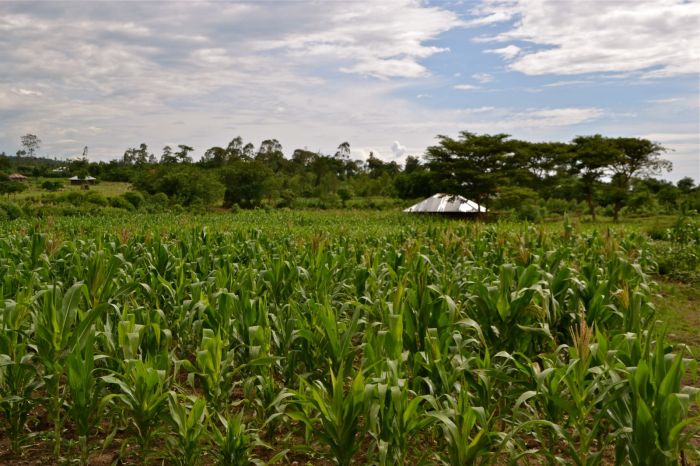
The interplay between climate change and policy is crucial for fostering global responses to this pressing issue. Effective policy frameworks can mobilize resources, drive technological innovation, and implement necessary changes across various sectors. Understanding these frameworks helps illustrate the collective efforts needed to tackle climate change on both international and national levels.
International Agreements and Their Significance
International agreements play a pivotal role in uniting countries towards a common goal of mitigating climate change. The Paris Agreement, established during COP21 in 2015, is one of the most significant global initiatives aimed at limiting global warming to below 2 degrees Celsius above pre-industrial levels. Key elements of the agreement include:
-
Commitments from nations to set nationally determined contributions (NDCs) that reflect their capabilities and responsibility.
-
A global stocktake every five years to assess progress and encourage greater ambition in future commitments.
-
Financial support for developing countries to enhance their climate resilience and transition to low-carbon economies.
The Paris Agreement symbolizes international cooperation and the recognition that climate change is a global challenge requiring collective action.
National Policies Addressing Climate Change
National policies are critical in translating international commitments into actionable strategies. Countries tailor their approaches based on local conditions, economic structures, and political climates. Effective national policies often include regulatory frameworks, incentives for renewable energy, and investment in climate-resilient infrastructure. Examples of such policies include:
- Carbon pricing mechanisms like carbon taxes or cap-and-trade systems
- Subsidies for renewable energy projects
- Mandatory emissions reduction targets for key sectors such as transportation and manufacturing
These policies serve to not only reduce greenhouse gas emissions but also stimulate economic growth through green jobs and innovation.
Comparative Approaches to Climate Change
Different countries adopt varied approaches to addressing climate change based on their unique circumstances. The following table summarizes the key strategies of major countries:
| Country | Key Strategy | Notable Legislation |
|---|---|---|
| United States | Rejoining international accords, focusing on clean energy transition | Inflation Reduction Act |
| China | Investment in renewable energy, targeting peak emissions by 2030 | National Climate Change Program |
| European Union | Green Deal aiming for carbon neutrality by 2050 | EU Climate Law |
| India | Focus on sustainable development, increasing renewable energy capacity | National Action Plan on Climate Change |
This table highlights how countries prioritize different aspects of climate policy based on their economic capabilities and environmental needs. By learning from these diverse approaches, nations can enhance their strategies and contribute to global climate goals more effectively.
Public Awareness and Education
Raising awareness about climate change is vital in shaping future generations’ understanding and responses to environmental challenges. Education plays a crucial role in empowering individuals with the knowledge and tools they need to tackle climate issues effectively. By integrating climate education into school curriculums, we can foster a culture of sustainability and proactive engagement among students.Effective public communication about climate impacts is essential for mobilizing communities and inspiring action.
Clear, relatable messaging can bridge the gap between scientific data and public understanding, making the issue more accessible and urgent. Utilizing various communication strategies can enhance the effectiveness of climate awareness campaigns.
Strategies for Effective Public Communication
To successfully communicate the impacts of climate change, it’s important to employ strategies that resonate with diverse audiences. Here are some key approaches that have shown to be effective:
- Simplifying Complex Information: Presenting complex scientific data in a simplified manner helps in making it more digestible for the general public. Using analogies and relatable terms can aid comprehension.
- Storytelling: Sharing personal stories or case studies can create an emotional connection with the audience. Narratives about individuals or communities affected by climate change make the issue more relatable.
- Visual Communication: Utilizing infographics, videos, and compelling images can enhance understanding and retention of information. Visual aids simplify data and highlight key messages effectively.
- Engagement through Interactive Platforms: Social media and interactive apps can engage audiences in discussions and prompt them to share their own experiences, fostering a community of informed individuals.
- Collaboration with Influencers: Partnering with celebrities, local leaders, or social media influencers can amplify the reach of climate messages, as these figures often have established trust with their audiences.
Successful Awareness Campaigns
Several awareness campaigns have effectively communicated the realities of climate change, each incorporating essential elements that contributed to their success.
- Earth Hour: This global initiative encourages individuals and communities to turn off non-essential lights for one hour to raise awareness about climate change and promote energy conservation. Key components include community involvement, simple participation instructions, and a focus on collective action.
- Fridays for Future: Inspired by Greta Thunberg, this movement mobilizes youth around the globe to strike for climate action. Its success lies in grassroots organization, strong social media presence, and the ability to convey urgency through student-led protests.
- Climate Reality Project: Founded by former U.S. Vice President Al Gore, this campaign focuses on training individuals to become climate advocates. It emphasizes education, community building, and effective storytelling to create lasting change.
Each of these campaigns demonstrates how strategic messaging and community involvement can raise awareness and drive action on climate change, ultimately contributing to a more informed and proactive society.
Final Thoughts
In conclusion, Climate Change presents a formidable challenge that requires collective awareness and action. By understanding its causes, recognizing its impacts, and implementing effective strategies, we can work towards a sustainable future. Engaging with new technologies and policies can foster hope, driving us toward a world where we can coexist harmoniously with our environment.
FAQ
What are the main causes of climate change?
The primary causes include greenhouse gas emissions from burning fossil fuels, deforestation, and industrial processes.
How does climate change affect weather patterns?
It leads to more extreme weather events, including heatwaves, heavy rainfall, and droughts.
What can individuals do to combat climate change?
Individuals can reduce their carbon footprint by using public transport, conserving energy, and supporting sustainable practices.
Are there affordable renewable energy options?
Yes, solar and wind energy have become increasingly affordable and accessible for many households.
How can climate change education be improved?
Incorporating climate change topics into school curricula and using effective communication strategies can enhance awareness.


