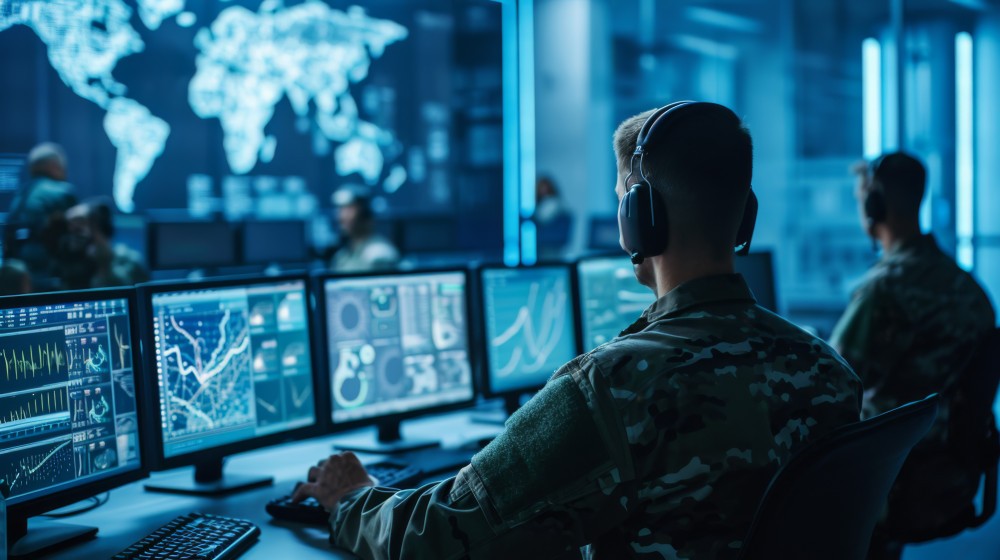
Artificial Intelligence in Defense is transforming the military landscape, ushering in a new era of strategic capabilities and operational efficiency. As nations race to harness AI, we find ourselves standing at the crossroads of technology and warfare, where innovative tools promise to redefine how we approach defense.
This overview explores the integration of AI within military operations, highlighting its historical roots, applications, ethical considerations, and the challenges that come with deploying such advanced technologies in defense sectors.
Introduction to Artificial Intelligence in Defense
Integrating artificial intelligence (AI) within military operations is transforming the defense landscape. Its significance lies in the ability to enhance decision-making, improve operational efficiency, and maintain strategic advantages in an ever-evolving threat environment. As modern warfare becomes increasingly complex, leveraging AI technologies is crucial for future readiness and success.The journey of technology in defense has paved the way for the adoption of AI.
Historically, advancements such as the development of radar technology during World War II and the introduction of precision-guided munitions in the late 20th century laid the groundwork for today’s AI applications. These earlier innovations showcased the importance of technology in warfare, leading to the integration of AI systems that can analyze vast amounts of data, support logistics, and automate various operational tasks.
Primary Goals of Implementing AI in Defense
The implementation of AI in defense sectors focuses on several key objectives that are vital for enhancing military capabilities:
- Improved Decision-Making: AI systems can process data at unprecedented speeds, allowing military leaders to make informed decisions in real-time. This capability is essential for adapting to dynamic combat situations.
- Enhanced Situational Awareness: By integrating AI with surveillance and reconnaissance systems, militaries can gain a comprehensive understanding of battlefield conditions, which is crucial for strategic planning.
- Operational Efficiency: AI technologies can optimize logistics, supply chain management, and maintenance processes, ensuring that resources are allocated effectively and operations run smoothly.
- Force Multiplication: AI can augment human capabilities, enabling smaller units to operate with the effectiveness of larger forces through advanced tools and autonomous systems.
- Threat Detection and Response: AI can analyze patterns and identify potential threats more accurately, enhancing the military’s ability to respond swiftly to emerging challenges.
The integration of AI into defense not only modernizes capabilities but also ensures that military forces remain competitive and prepared for future conflicts. As technology advances, the reliance on AI solutions will undoubtedly increase, highlighting the importance of staying ahead in this critical field.
Applications of Artificial Intelligence in Defense

Artificial Intelligence (AI) is transforming various sectors, with defense being one of the most significant areas of impact. The integration of AI technologies into defense operations enhances capabilities, improves decision-making, and increases efficiency. As military forces worldwide strive for superiority, the applications of AI are becoming indispensable in modern warfare and security strategies.AI’s diverse applications in defense include autonomous drones, advanced surveillance systems, and decision support systems.
Autonomous drones are revolutionizing aerial reconnaissance and combat missions by enabling real-time data collection and analysis without human intervention. Surveillance systems powered by AI can process vast amounts of data from sensors, identifying potential threats much faster than human operators. Decision support systems leverage AI to analyze battlefield data and assist military commanders in making informed decisions under pressure.
Specific Applications of AI in Defense
Several specific applications of AI in defense illustrate its significance in enhancing military operations. Below are key examples of AI-driven tools currently utilized in military training and simulations:
Autonomous Drones
Drones like the MQ-9 Reaper utilize AI for autonomous navigation and target identification, enabling precision strikes without direct human control.
Surveillance Systems
Systems such as Project Maven, which employs AI for analyzing drone footage, can quickly identify objects of interest and enhance situational awareness.
Decision Support Systems
AI applications like the Integrated Visual Augmentation System (IVAS) provide real-time data and analytics to commanders, aiding in strategic decision-making during operations.
Military Training Simulations
AI-driven platforms like the Synthetic Training Environment (STE) simulate realistic combat scenarios, allowing soldiers to engage in dynamic exercises that adapt to their performance.To better understand the benefits and challenges of these applications, the following table summarizes various AI applications in defense, along with their respective advantages and obstacles:
| AI Application | Benefits | Challenges |
|---|---|---|
| Autonomous Drones | Enhanced operational efficiency, reduced risk to personnel | Ethical concerns, technical reliability |
| Surveillance Systems | Faster threat detection, data processing capabilities | Privacy issues, data overload |
| Decision Support Systems | Improved decision-making, real-time insights | Dependence on technology, potential for data bias |
| Military Training Simulations | Realistic training environments, adaptive learning | High development costs, technology integration |
Incorporating AI into defense strategies is not without its complexities, but the potential benefits far outweigh the challenges. The evolution of these technologies continues to shape the future of military operations.
Ethical Considerations in Military AI
The integration of artificial intelligence in military operations brings forth significant ethical considerations that affect decision-making in combat. As the use of AI grows, so does the responsibility to ensure that these technologies are applied in a manner that upholds moral standards and international laws. As we explore these ethical implications, it is crucial to reflect on how accountability and transparency impact the effectiveness and trustworthiness of AI systems in defense scenarios.One of the primary ethical implications of using AI in combat situations revolves around the potential for autonomous systems to make life-and-death decisions without human intervention.
The absence of human judgment raises concerns about moral responsibility, particularly in scenarios where AI may misinterpret data or execute actions leading to unintended consequences, including civilian casualties. This factor underscores the necessity for stringent protocols to govern AI operations in military contexts.
Accountability and Transparency in AI-Assisted Decision-Making
The importance of accountability and transparency in AI-assisted military decision-making cannot be overstated. These principles ensure that all actions taken by AI systems can be traced back to responsible entities, thereby fostering trust and ethical compliance. Establishing clear lines of accountability involves several key components:
- Human Oversight: Ensuring human operators remain involved in critical decision-making processes mitigates the risk of erroneous AI decisions.
- Clear Protocols: Defining explicit rules governing AI actions helps maintain ethical standards and legal compliance.
- Robust Testing and Evaluation: Continuous assessment of AI systems is essential to identify and rectify potential biases or flaws before deployment in combat.
- Transparency Mechanisms: Implementing systems that allow stakeholders to understand AI decision-making processes enhances accountability and trust.
The ethical implications of military AI are also influenced by varying international perspectives. Different countries approach the integration of AI into their defense strategies with distinct ethical frameworks, reflecting their legal, cultural, and political contexts.
International Perspectives on Ethical Use of AI in Defense
Countries around the globe are navigating the complexities of ethical AI use in their military operations, each adopting unique stances and practices. The diversity in approaches highlights the absence of a universal framework for governing military AI. Here are some notable perspectives:
- United States: The U.S. emphasizes the need for responsible AI development, advocating for human control and oversight to ensure ethical compliance.
- European Union: The EU focuses on establishing comprehensive regulations that prioritize human rights and accountability in AI deployment, promoting transparency across member states.
- China: China’s approach is largely centered on enhancing military capabilities through AI, with less emphasis on ethical oversight compared to Western counterparts.
- Russia: Russia is actively developing autonomous military systems, raising concerns among international observers regarding their ethical implications and potential for misuse.
A global dialogue on these ethical considerations is necessary to establish standards that can guide the responsible use of AI in defense. As nations continue to advance their military AI capabilities, the discourse surrounding ethical implications, accountability, and transparency will remain a critical aspect of ensuring these technologies serve humanity positively and responsibly.
Challenges and Risks of AI in Defense
The integration of Artificial Intelligence (AI) within defense systems offers numerous advantages, yet it brings forth a unique set of challenges and risks that must be addressed. Understanding these potential pitfalls is crucial for military leaders and policymakers to make informed decisions about the deployment of AI technologies. The following sections delve into significant risks associated with AI, the hurdles of incorporating these technologies into established military frameworks, and strategies to mitigate these risks.
Potential Risks Associated with AI Technologies
AI technologies in defense are not without their vulnerabilities, which can lead to severe consequences. One of the primary risks includes cybersecurity threats, where AI systems could be exploited by malicious actors aiming to disrupt military operations. Additionally, there are unintended consequences such as autonomous weapons making erroneous decisions based on flawed algorithms, potentially leading to collateral damage or escalation of conflicts.
Challenges of Integrating AI into Military Frameworks
The integration of AI into existing military frameworks poses several challenges. Traditional military operations are often characterized by established protocols and human oversight, which can conflict with the autonomous nature of AI. Furthermore, there is a need for substantial changes in training and capabilities to ensure personnel can effectively work alongside AI systems. The complexity of existing infrastructures may also hinder seamless integration, requiring significant investment in new technologies and processes.
Strategies to Mitigate Risks Associated with AI Deployment
To effectively address the challenges and risks posed by AI in defense, a proactive approach is essential. The following strategies can help mitigate these risks:
- Implement rigorous testing and validation processes to ensure AI systems operate as intended and are resilient to attacks.
- Establish clear guidelines and ethical frameworks to govern the use of AI, particularly in autonomous weapons systems.
- Enhance cybersecurity measures specifically tailored to protect AI systems from potential threats and vulnerabilities.
- Invest in continuous training for military personnel to improve their understanding of AI and its implications for modern warfare.
- Encourage collaboration with tech companies and research institutions to stay ahead of AI developments and innovations.
“The responsible integration of AI in defense is not just a technical challenge, but a moral imperative.”
Future Trends in AI for Defense
As artificial intelligence continues to evolve, its impact on defense strategies is expected to grow significantly. Emerging technologies are set to shape the military landscape, influencing not only how defense operations are conducted but also how nations prepare for future conflicts. This segment explores the technologies that will define the future of AI in defense, alongside predictions on military transformations and the key players spearheading these advancements.
Emerging Technologies Influencing AI in Defense
Several groundbreaking technologies are on the horizon, promising to enhance the capabilities of AI within defense. These technologies include:
- Quantum Computing: This technology has the potential to process vast amounts of data at unprecedented speeds, enabling more sophisticated AI algorithms. Its application in cryptography and secure communication can revolutionize intelligence operations.
- 5G Connectivity: The rollout of 5G networks will facilitate faster data transmission, enabling real-time analytics and decision-making in combat scenarios. This connectivity is crucial for autonomous systems and IoT devices used in defense.
- Advanced Robotics: Robotics integrated with AI can perform complex tasks in hazardous environments, from reconnaissance missions to logistics support, thereby minimizing human risk in conflict zones.
- Augmented Reality (AR) and Virtual Reality (VR): These technologies enhance training programs and simulation environments, providing soldiers with immersive experiences that improve readiness and tactical understanding.
Predictions on AI Advancements Reshaping Military Strategies
The integration of AI into military strategies is likely to reshape the nature of warfare significantly. Predictions regarding these advancements include:
- Enhanced Situational Awareness: AI systems will process vast data streams from various sources, improving decision-making speed and accuracy on the battlefield.
- Increased Autonomy in Military Operations: Autonomous drones, ground vehicles, and naval systems will operate with minimal human intervention, allowing for more strategic and efficient deployment of resources.
- Cyber Defense Improvements: AI-driven cybersecurity measures will evolve to counteract sophisticated cyber threats, safeguarding military infrastructure and operations from digital attacks.
- Predictive Maintenance: AI will enable predictive analytics to maintain military equipment, reducing downtime and ensuring that assets are always mission-ready.
Key Players and Organizations in AI Development for Defense
Several countries and organizations are at the forefront of AI development in defense, investing heavily in research and innovation. Notable contributors include:
- United States Department of Defense (DoD): The DoD has established initiatives like the Joint Artificial Intelligence Center (JAIC) to drive AI adoption across military branches.
- China’s Ministry of Defense: China is rapidly advancing its AI capabilities with an emphasis on military applications, aiming to integrate AI into its armed forces by 2030.
- European Defense Agency (EDA): The EDA promotes AI research among EU member states to enhance military efficiency and interoperability.
- Private Sector Innovations: Companies like Lockheed Martin, Raytheon, and Palantir Technologies are developing AI solutions tailored for defense applications, pushing the boundaries of what’s possible in military technology.
Training and Development for AI in Defense
The integration of Artificial Intelligence (AI) into defense systems is rapidly transforming the military landscape. To harness the full potential of these technologies, it is essential to train military personnel effectively. The importance of this training cannot be overstated, as it equips personnel with the skills necessary to operate, maintain, and improve AI systems in complex and dynamic environments.Training programs are crucial for bridging the gap between technology and human capability.
As AI systems become more sophisticated, the need for military personnel to understand and leverage these tools effectively increases. A well-trained workforce can maximize the operational benefits of AI, enhance decision-making processes, and maintain a strategic advantage over adversaries.
Types of Training Programs for AI in Defense
A variety of training programs are currently being implemented within military organizations to ensure that personnel are well-prepared to work with AI technologies. These programs cover different aspects of AI, ranging from foundational knowledge to advanced operational skills. The following table highlights various training methodologies and their effectiveness:
| Training Methodology | Description | Effectiveness |
|---|---|---|
| Classroom Instruction | Traditional face-to-face learning led by instructors | High – Facilitates direct interaction and immediate feedback |
| Online Courses | Self-paced courses available through digital platforms | Moderate – Flexible timing but less interaction with instructors |
| Hands-on Simulations | Practical exercises using AI systems in controlled environments | Very High – Realistic scenarios enhance skills retention |
| Mentorship Programs | Pairing experienced personnel with trainees for guidance | High – Personalized learning and direct knowledge transfer |
| Workshops and Seminars | Short, intensive sessions focused on specific AI applications | Moderate – Good for staying updated but may lack depth |
The adoption of these training methodologies varies based on the specific needs of military units and the complexity of the AI technologies being utilized. By investing in comprehensive training and development programs, defense organizations can enhance their operational capabilities and ensure that personnel are prepared to face future challenges in an increasingly automated battlefield.
“Empowering military personnel through targeted training in AI is essential for strategic success in modern warfare.”
Case Studies of AI Implementation in Defense
The integration of Artificial Intelligence (AI) into military operations has produced a range of outcomes, highlighting both successes and challenges. Examining specific case studies offers valuable insights into how different nations have leveraged AI for defense purposes, as well as the lessons learned from these initiatives.AI in defense has been implemented in various capacities, from enhancing operational efficiency to improving decision-making processes.
A comparative analysis helps to understand the diverse approaches each nation takes in adopting AI technology within their military frameworks.
Successful AI Integrations in Military Operations
Several nations have successfully integrated AI into their defense strategies, leading to significant operational advancements. Noteworthy case studies include:
1. Project Maven (United States)
This initiative aims to enhance the U.S. Department of Defense’s ability to analyze vast amounts of surveillance footage. Using AI algorithms, Project Maven can identify objects of interest, which has improved situational awareness in combat zones. Its success has led to a broader conversation about the role of AI in military intelligence.
2. Skyborg (United States)
The U.S. Air Force’s Skyborg project focuses on developing AI-controlled drones that can operate autonomously in combat scenarios. These drones can perform tasks such as reconnaissance and target engagement, thereby reducing the risk to human pilots and increasing mission efficiency.
3. The UK’s Project CASTLE (United Kingdom)
This program uses AI to analyze data from various sources, improving decision-making in military strategy. By combining AI with real-time data, the UK military can adapt to changing battlefield conditions more effectively.
4. AI and Cyber Defense (Israel)
Israeli defense forces have integrated AI into their cyber defense strategies, actively using machine learning to detect and respond to cyber threats. This proactive approach has significantly reduced vulnerability to cyber-attacks.
Lessons Learned from AI Projects in Defense
Reflecting on both successful and unsuccessful AI projects provides critical insights into best practices and areas for improvement. Key lessons include:
Importance of Human Oversight
AI can enhance operational capabilities, but it should not replace human judgment. Successful systems incorporate human oversight to ensure ethical decision-making.
Data Quality is Crucial
The effectiveness of AI systems heavily relies on the quality of the data they are trained on. Poor data can lead to inaccurate outcomes, as seen in some pilot projects that failed due to flawed training datasets.
Interoperability Challenges
Different nations’ AI systems often face challenges in interoperability, limiting their effectiveness in joint operations. A focus on standardizing AI technologies can mitigate this issue.
Ethical Considerations
Projects that did not adequately address ethical implications faced backlash and public scrutiny, emphasizing the need for clear ethical guidelines in military AI applications.
Comparative Analysis of Global Approaches to AI in Defense
Nations around the world exhibit varying strategies in their AI defense implementations. Understanding these differences illuminates how cultural, political, and economic factors shape military innovation.
United States
The U.S. invests heavily in AI research and development, with a focus on autonomous systems and data analysis. The government collaborates with tech companies and academia to accelerate advancements.
China
China’s military strategy emphasizes rapid development and deployment of AI technologies. The government actively supports AI research as a critical component for enhancing military capabilities, often focusing on integrated battlefield systems.
Russia
Russia’s approach prioritizes the integration of AI in warfare tactics, particularly in cyber warfare and electronic warfare domains. The country is exploring AI for drone operations and battlefield analytics.
European Union
The EU promotes collaborative AI initiatives among member states while emphasizing ethical guidelines in military applications. Their approach seeks to balance technological advancement with societal values and legal frameworks.Through these case studies and analyses, it becomes evident that while AI holds promise for transforming defense operations, careful consideration of ethical, operational, and strategic factors is essential for successful implementation.
Final Wrap-Up
In summary, the integration of Artificial Intelligence in Defense not only enhances military capabilities but also raises important ethical questions and challenges that require careful navigation. As we move forward, the future of defense will undoubtedly be shaped by the advancements in AI, making it imperative for military organizations to adapt and evolve in this rapidly changing landscape.
FAQ
What are the main benefits of AI in defense?
AI improves efficiency, enhances decision-making, and increases operational capabilities through automation and predictive analytics.
How is AI being used in military training?
AI enhances military training through simulations, virtual reality, and personalized learning experiences, allowing for more effective skill development.
What ethical issues surround AI usage in military operations?
Ethical concerns include accountability for AI-driven decisions, potential bias in algorithms, and the implications of autonomous weapon systems.
What challenges do militaries face when implementing AI?
Challenges include integrating AI with existing systems, ensuring cybersecurity, and addressing the workforce’s need for new skills.
Which countries are leading in military AI development?
Countries like the United States, China, and Russia are at the forefront of military AI development, investing heavily in research and technology.


