
Environmental Policy is increasingly crucial as we navigate complex global challenges like climate change and biodiversity loss. It encompasses the rules and regulations that govern our interactions with the environment, aiming to protect natural resources while balancing economic growth. Understanding this policy is essential for fostering sustainable practices and ensuring a healthy planet for future generations.
This guide will delve into the various types of environmental policies, their regulatory frameworks, the economic instruments used to implement them, and the technological innovations supporting these goals. By exploring the roles of different stakeholders, challenges in policy implementation, and future trends, we aim to provide a comprehensive overview of how environmental policies shape our world.
Definition of Environmental Policy
Environmental policy encompasses the principles and regulations developed by various governments to manage human activities’ impact on the environment. These policies are crucial because they guide nations in balancing economic growth with environmental protection, ensuring a sustainable future for both people and the planet. This balancing act is especially important in today’s world, where environmental degradation and climate change pose significant threats to global stability and health.The main objectives of environmental policies vary across different countries but generally aim to protect natural resources, reduce pollution, and promote sustainable development.
These policies often reflect the unique environmental challenges and cultural values of each country. For instance, some countries may prioritize biodiversity conservation due to their rich ecosystems, while others might focus on reducing greenhouse gas emissions in response to climate change.
Main Objectives of Environmental Policies
Understanding the key goals of environmental policies is essential for comprehending their role in sustainable development. Here are some primary objectives commonly pursued by environmental policies worldwide:
- Protection of Natural Resources: Ensuring sustainable use of water, air, and land resources to prevent depletion and degradation.
- Pollution Control: Implementing regulations to limit emissions and waste, promoting cleaner production methods and technologies.
- Conservation of Biodiversity: Safeguarding ecosystems and species through protected areas and conservation programs.
- Climate Change Mitigation: Developing strategies to reduce greenhouse gas emissions and enhance resilience to climate impacts.
- Promoting Sustainable Development: Encouraging practices that meet present needs without compromising the ability of future generations to meet theirs.
Stakeholders in the Development of Environmental Policies
Various stakeholders play critical roles in shaping environmental policies. Their involvement is essential for developing effective and comprehensive regulations. The following groups are typically involved:
- Government Agencies: Local, national, and international governmental bodies responsible for creating and enforcing environmental laws.
- Non-governmental Organizations (NGOs): Advocacy groups that represent public concerns and contribute expertise to policy development.
- Businesses: Companies that must comply with environmental regulations and often engage in corporate social responsibility initiatives.
- Academic and Research Institutions: Provide scientific research and data that inform policy decisions and evaluate environmental impacts.
- Civic Society: Communities and individuals who advocate for environmental protection and sustainable practices.
“Effective environmental policies are a collaborative effort, requiring input from diverse stakeholders to ensure sustainable solutions to pressing ecological challenges.”
Types of Environmental Policies
Environmental policies are essential frameworks that guide actions taken to protect the environment. They can take various forms, each with its own objectives and methods for achieving environmental protection. Understanding the different types of environmental policies helps in evaluating their effectiveness and scope in addressing environmental issues.Three major types of environmental policies are regulatory approaches, economic instruments, and voluntary initiatives.
Each of these approaches serves distinct purposes and can be utilized independently or in combination to enhance environmental protection efforts.
Regulatory Approaches
Regulatory approaches refer to the establishment of rules and standards that govern activities impacting the environment. These policies are often legally binding and enforced by governmental agencies.
- Command and Control Regulations: These policies mandate specific limits on emissions or resource usage, such as the Clean Air Act in the United States.
- Permitting Systems: These require businesses to obtain permits before engaging in activities that could harm the environment, ensuring compliance with established standards.
Economic Instruments
Economic instruments involve the use of financial incentives to encourage environmentally friendly practices. These can include taxes, subsidies, and tradable permits.
- Carbon Pricing: Implemented in various countries, carbon pricing assigns a cost to carbon emissions, promoting reductions in greenhouse gas outputs.
- Ecological Tax Reforms: These taxes shift the tax burden away from labor and onto resource consumption, encouraging conservation and sustainable practices.
Voluntary Initiatives
Voluntary initiatives are non-binding agreements where organizations commit to environmental goals, often beyond legal requirements.
- Corporate Social Responsibility (CSR) Programs: Many companies adopt CSR initiatives to enhance their environmental performance and public image.
- Eco-labeling Schemes: These certifications help consumers identify products that meet certain environmental standards, promoting sustainable consumption.
International Agreements
International agreements play a fundamental role in shaping environmental policies worldwide. They bring countries together to address issues that transcend national borders, such as climate change and biodiversity loss.
- The Paris Agreement: This landmark treaty unites nations under a common goal to limit global warming to well below 2 degrees Celsius.
- The Convention on Biological Diversity: This agreement aims to promote sustainable development by ensuring the conservation of biological diversity, sustainable use of its components, and fair sharing of benefits.
Examples of Successful Environmental Policies
Around the globe, several environmental policies have proven effective in mitigating environmental issues.
- Germany’s Energiewende: A transformative energy policy aimed at transitioning from fossil fuels to renewable energy sources, significantly reducing greenhouse gas emissions.
- California’s Cap-and-Trade Program: An effective market-based approach that limits greenhouse gas emissions while allowing companies the flexibility to trade emissions permits.
“The effectiveness of environmental policies hinges on their design, implementation, and the commitment of all stakeholders involved.”
Regulatory Frameworks
Understanding the regulatory frameworks that govern environmental policies is essential for recognizing how different regions approach environmental protection and sustainability. These frameworks consist of laws, regulations, and guidelines that establish standards for environmental quality and resource management.The key regulations that influence environmental policies vary across regions, but they typically include legislative measures aimed at controlling pollution, managing natural resources, and conserving biodiversity.
These regulations are designed to promote sustainable practices and mitigate environmental impact.
Key Regulations in Environmental Policies
Several critical regulations form the backbone of environmental governance. These include:
- Clean Air Act (CAA)
-United States: This landmark legislation regulates air emissions from stationary and mobile sources to ensure air quality standards. - National Environmental Policy Act (NEPA)
-United States: NEPA mandates federal agencies to assess environmental effects before undertaking any major federal actions. - European Union Emissions Trading Scheme (EU ETS)
-European Union: This system aims to reduce greenhouse gas emissions cost-effectively through cap-and-trade mechanisms. - Water Framework Directive (WFD)
-European Union: The WFD seeks to protect and enhance the quality of water resources across Europe, promoting sustainable water use. - Endangered Species Act (ESA)
-United States: The ESA provides for the conservation of species that are endangered or threatened and their habitats.
Each of these regulations plays a pivotal role in shaping environmental policy by setting clear standards and objectives for pollution reduction and natural resource management.
Comparison of Regulatory Frameworks: EU vs. US
The regulatory frameworks in the European Union (EU) and the United States (US) present distinct approaches to environmental governance, reflecting differences in policy priorities and implementation strategies.
- Basis for Regulation: The EU emphasizes a precautionary principle, prioritizing preventive action in environmental protection. In contrast, the US often adopts a risk-based approach, focusing on managing identified risks.
- Public Involvement: The EU encourages public participation in decision-making processes, often requiring stakeholder consultations. The US framework, while allowing public comment, has historically provided less structured opportunities for public engagement.
- Enforcement: The EU’s enforcement mechanisms are centralized, typically addressing violations through the European Court of Justice. The US relies on federal and state agencies, leading to a more decentralized enforcement structure.
- Flexibility: The EU’s regulatory approach tends to be more prescriptive, with detailed directives. The US often provides more flexibility, allowing states to implement regulations that may exceed federal standards.
Enforcement Mechanisms for Environmental Regulations
Effective enforcement of environmental regulations is crucial to ensure compliance and achieve policy objectives. Enforcement mechanisms vary by region, but they often include a combination of inspections, penalties, and legal actions.
- Inspections and Monitoring: Agencies conduct regular inspections of facilities to ensure compliance with environmental regulations, assessing adherence to permits and standards.
- Penalties and Fines: Non-compliance can result in significant financial penalties. For example, the EPA in the US can impose fines for violations of the Clean Water Act.
- Civil and Criminal Prosecutions: Serious violations may lead to civil lawsuits or criminal charges against individuals or organizations, emphasizing the legal accountability of entities failing to meet environmental standards.
- Citizen Suits: In some jurisdictions, citizens are allowed to sue for enforcement, providing an additional layer of accountability and public involvement in environmental protection.
The enforcement of regulations is critical for maintaining the integrity of environmental policies and ensuring that the goals of sustainability and protection are met effectively.
Economic Instruments in Environmental Policy
Economic instruments play a vital role in shaping environmental policy by using market mechanisms to encourage environmentally friendly behaviors. These tools include taxes, subsidies, and cap-and-trade systems, which are designed to influence both producers and consumers towards sustainable practices. By integrating economic incentives with environmental goals, policymakers can create a more effective framework for addressing ecological issues.
Taxes and Subsidies as Economic Instruments
Taxes and subsidies are two primary economic instruments that encourage or dissuade certain environmental behaviors.
- Environmental Taxes: Taxes levied on polluting activities are designed to internalize the external costs of environmental damage. For instance, carbon taxes impose a fee on the carbon content of fossil fuels, motivating companies to reduce emissions and invest in cleaner technologies.
- Subsidies for Green Technologies: Governments provide financial incentives to promote renewable energy sources such as solar and wind. These subsidies can lower the cost of installation for consumers, making sustainable choices more accessible and attractive.
The goal of implementing these economic instruments is to align financial incentives with environmental objectives, ultimately leading to a reduction in pollution and promotion of sustainable practices.
Cap-and-Trade Systems
Cap-and-trade systems are market-based approaches that allow companies to buy and sell permits to emit a certain amount of pollutants. This system is designed to limit overall emissions while providing flexibility for firms to manage their environmental impact.
- Setting the Cap: The government sets a cap on total emissions allowed in a specific time frame, gradually reducing it over time to decrease overall pollution.
- Issuing Permits: Companies receive or purchase permits corresponding to their allowable emissions. If a company reduces its emissions below its allocated permits, it can sell its excess permits to other companies.
- Market Mechanism: The trading of permits creates a financial incentive for companies to reduce emissions. Companies that can cut costs effectively can profit from trading permits, while those that struggle with reductions may need to purchase additional permits.
An example of a successful cap-and-trade system is the European Union Emission Trading Scheme (EU ETS), which has significantly reduced greenhouse gas emissions across member states since its inception.
Impact of Market-based Approaches on Environmental Protection
Market-based approaches like taxes, subsidies, and cap-and-trade systems have shown considerable potential in enhancing environmental protection. These mechanisms not only encourage compliance among businesses but also foster innovation in sustainable practices.
- Encouraging Innovation: By putting a price on pollution, companies are incentivized to innovate and develop cleaner technologies to stay competitive.
- Consumer Behavior Change: Economic instruments affect consumer choices by making environmentally friendly products more appealing through subsidies or making polluting options more costly through taxes.
- Revenue Generation: Taxes on pollution can generate significant government revenue, which can be reinvested into renewable energy projects or conservation efforts.
The integration of economic instruments into environmental policy creates a proactive approach to environmental challenges, leading to tangible benefits for both the planet and the economy.
Challenges in Environmental Policy Implementation
Implementing environmental policies is often fraught with a variety of challenges that can hinder effectiveness and success. Understanding these challenges is crucial for policymakers, stakeholders, and the general public to navigate the complexities of environmental issues. The interplay of social, economic, and political factors significantly influences how environmental policies are realized in practice.
Common Challenges in Implementation
Several common challenges arise during the implementation of environmental policies, which can lead to ineffective outcomes. Recognizing these factors is essential for developing strategies to overcome them. The following points illustrate some of the key challenges faced in this arena:
- Lack of Funding: Inadequate financial resources can prevent effective policy implementation, limiting the ability to monitor and enforce regulations.
- Political Resistance: Opposition from political entities or interest groups can stall or dilute environmental policy initiatives, affecting their integrity and effectiveness.
- Insufficient Public Awareness: A lack of understanding and engagement from the public can weaken support for environmental policies, making it difficult to implement robust measures.
- Fragmented Jurisdictions: Environmental issues often transcend local and national boundaries, leading to complications in coordination among multiple jurisdictions and agencies.
- Complexity of Environmental Issues: The multifaceted nature of environmental problems makes it challenging to design straightforward policies that address all aspects effectively.
Role of Public Opinion in Policy Success
Public opinion plays a pivotal role in shaping the success or failure of environmental policies. The degree to which the public supports or resists environmental initiatives can significantly impact their implementation. Engaging the community and cultivating public awareness and support can enhance the likelihood of successful policy outcomes. Factors influencing public opinion include:
- Media Influence: The portrayal of environmental issues in the media can significantly sway public perception and mobilize or demobilize support for specific policies.
- Education and Awareness Campaigns: Informative campaigns that educate the public about environmental issues can foster greater support for effective policies.
- Community Involvement: Active participation from local communities in environmental decision-making processes can lead to stronger policy acceptance and commitment to implementation.
Case Studies of Failed Environmental Policies
Analyzing failed environmental policies can provide valuable insights into the reasons behind their lack of success. Understanding past missteps can help guide future efforts. Some notable examples include:
- The Clean Development Mechanism (CDM): Intended to provide financial incentives for developing countries to reduce emissions, the CDM faced criticism for allowing projects that did not significantly reduce emissions, leading to minimal environmental benefits.
- The Kyoto Protocol: While it aimed to reduce global greenhouse gas emissions, many countries failed to meet their targets due to economic concerns, lack of binding enforcement, and political disagreements, showcasing the challenges of international cooperation.
- California’s Cap-and-Trade Program: Although initially successful, the program faced backlash over rising costs for consumers and increased skepticism towards its effectiveness, highlighting the importance of public buy-in and transparency.
Role of Technology in Environmental Policy
Technology plays a pivotal role in shaping and supporting environmental policy goals. Its integration into policy initiatives enables more effective and efficient solutions to pressing environmental issues, ultimately fostering sustainable development. By harnessing the capabilities of innovative technologies, governments and organizations can improve monitoring, enforcement, and engagement in environmental protection efforts.Effective environmental policies increasingly rely on advanced technologies to achieve their objectives.
These technologies enhance data collection, analysis, and dissemination, allowing policymakers to make informed decisions. Additionally, they facilitate better compliance monitoring and the implementation of environmental regulations. Here are some key areas where technology has had a significant impact:
Innovative Technologies in Environmental Policy Initiatives
The integration of innovative technologies into environmental policy initiatives has revolutionized approaches to environmental management. These technologies not only bolster traditional methods but also introduce new dimensions to problem-solving. Below are notable technologies that have been woven into environmental policies:
- Remote Sensing: This technology utilizes satellite or aerial imagery to monitor environmental changes, such as deforestation, urban sprawl, and pollution levels. For instance, NASA’s Landsat program provides critical data for assessing land use and land cover changes over time, aiding policymakers in crafting targeted interventions.
- Smart Sensors: Deployed in various environments, these devices collect real-time data on air and water quality. Cities like Barcelona have embraced smart sensors to monitor air pollution levels, enabling rapid responses to environmental hazards and ensuring public health safety.
- Geographic Information Systems (GIS): GIS technology allows for the mapping and analysis of spatial data, assisting governments in land-use planning and resource management. The integration of GIS in urban planning helps to identify areas at risk of flooding, promoting proactive measures to mitigate damage.
- Clean Energy Technologies: The shift towards renewable energy sources like solar, wind, and geothermal is driven by technological advancements. Countries such as Germany have successfully implemented policies promoting clean energy technologies, significantly reducing greenhouse gas emissions and dependency on fossil fuels.
- Artificial Intelligence (AI): AI algorithms can process vast datasets to identify patterns and forecast environmental trends. For example, AI is used in optimizing waste management systems, helping municipalities enhance recycling rates and reduce landfill usage.
The incorporation of these technologies into environmental policies not only enhances their effectiveness but also fosters innovation. By leveraging tech-driven solutions, governments can address environmental challenges more proactively and efficiently, ultimately leading to sustainable development and improved quality of life.
Future Trends in Environmental Policy
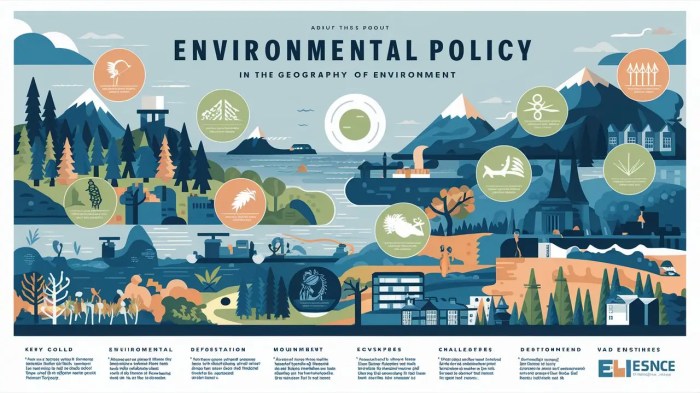
As we look toward the future, environmental policies are set to experience significant transformations driven by emerging trends and global movements. The growing urgency of climate change and the need for sustainable development are prompting policymakers to adopt innovative approaches. This evolution is not just a response to environmental degradation but also a proactive measure to ensure future generations inherit a habitable planet.One of the most notable future trends in environmental policy involves the emphasis on climate change adaptation and mitigation.
As regions worldwide continue to experience the adverse effects of climate change, adaptive strategies will become integral to policy frameworks. These strategies include enhancing resilience in vulnerable communities and ecosystems, as well as implementing mitigation measures to reduce greenhouse gas emissions.
Climate Change Adaptation and Mitigation Efforts
Adaptation and mitigation are two sides of the same coin in the fight against climate change. Policymakers are increasingly recognizing that while mitigating emissions is critical, adaptation measures are equally necessary to cope with the changes that are already underway. Key components of these efforts include:
- Infrastructure Resilience: Investments in resilient infrastructure are essential for adapting to climate impacts, such as extreme weather events. This includes flood defenses and climate-proofed transportation networks.
- Ecosystem Restoration: Protecting and restoring natural ecosystems can enhance their ability to store carbon and provide services like flood regulation and water purification.
- Community Engagement: Involving local communities in adaptation planning ensures that strategies are relevant and effective, drawing on indigenous knowledge and local practices.
- Policy Integration: Future policies will likely integrate climate considerations across all sectors, from agriculture to urban planning, to ensure a holistic approach to adaptation.
Impact of Global Movements on Environmental Policies
Global movements are rapidly reshaping environmental policy landscapes. The rise of citizen activism, international agreements, and corporate sustainability initiatives reflect a collective demand for robust environmental action. These movements can significantly influence policy formulation and implementation, with key implications including:
- Increased Transparency: Movements advocating for environmental justice are driving the demand for transparency in government and corporate actions, leading to more accountable policies.
- Global Cooperation: Collaborative international efforts, such as the Paris Agreement, highlight the importance of unified action against climate change and set binding targets for nations.
- Corporate Responsibility: Pressure from consumers and investors is pushing companies to adopt sustainable practices, which in turn influences regulatory frameworks.
- Youth Mobilization: Young activists are increasingly vocal about the need for immediate action, influencing both public opinion and policy agendas.
Key Areas of Policy Evolution
As environmental challenges grow in complexity, several key areas are likely to undergo significant policy evolution in the coming years. Recognizing these areas is crucial for effective planning and implementation of future policies:
- Carbon Pricing: The adoption of carbon pricing mechanisms, such as carbon taxes and cap-and-trade systems, is expected to expand as nations seek to incentivize emissions reductions.
- Sustainable Agriculture: Policies promoting sustainable agricultural practices will evolve to address food security challenges while minimizing environmental impacts.
- Circular Economy: The shift toward a circular economy will influence policies aimed at reducing waste and promoting resource efficiency through recycling and reuse.
- Green Technology: Investment in green technologies, such as renewable energy and electric vehicles, will be prioritized in policy incentives, aiming for a transition to a low-carbon economy.
Concluding Remarks
In conclusion, environmental policy plays a fundamental role in safeguarding our planet while promoting sustainable development. By understanding the different aspects of these policies—from regulatory frameworks to economic instruments—we can better appreciate their impact on our lives and the environment. As we look to the future, adapting to emerging trends and addressing challenges will be vital for effective policy implementation and a sustainable world.
FAQ Guide
What is the purpose of environmental policy?
The purpose of environmental policy is to regulate human activities to protect the environment, ensuring sustainable use of resources while aiming for economic development.
Who are the main stakeholders in environmental policy?
Main stakeholders include governments, businesses, NGOs, and the general public, all of whom play a role in shaping and implementing policies.
What are some examples of successful environmental policies?
Successful examples include the Clean Air Act in the U.S. and the European Union’s Emission Trading System, which have significantly reduced pollution levels.
What challenges do environmental policies face?
Common challenges include political resistance, lack of public awareness, and insufficient funding for implementation and enforcement.
How can technology aid environmental policy?
Technology can provide innovative solutions for monitoring environmental impact, improving efficiency in resource use, and developing cleaner technologies.


