
Deforestation stands as a critical issue in today’s world, shaping not only our environment but also our economy and society. With forests disappearing at an alarming rate, it’s essential to understand the driving forces behind this trend and its far-reaching consequences. From agriculture to urbanization, various factors contribute to the loss of these vital ecosystems, affecting biodiversity and climate alike.
This discussion dives into the complex interplay of causes, effects, and potential solutions to deforestation, equipping you with knowledge to address this pressing environmental challenge. By exploring technological innovations, global initiatives, and community efforts, we can better appreciate the role each of us plays in forest preservation.
Causes of Deforestation
Deforestation is a pressing environmental issue that can be traced back to several interconnected causes. Understanding these causes is crucial for developing effective strategies to combat forest loss and protect biodiversity. The main contributors to deforestation include agricultural expansion, urbanization, and various economic activities that prioritize short-term gains over long-term sustainability.
Agricultural Expansion
Agriculture is one of the leading causes of deforestation, responsible for a significant percentage of forest loss globally. As the demand for food increases due to population growth and dietary changes, more land is being converted from forests to agricultural use. This shift often leads to the clearing of vast areas of forest, resulting in habitat destruction and biodiversity loss.
The impact of agriculture on deforestation can be illustrated by the following points:
- Large-scale monoculture practices, such as palm oil and soybean cultivation, require extensive land and lead to significant forest clearance.
- Cattle ranching is a major driver of deforestation, particularly in regions like the Amazon, where vast tracts of forest are cleared for pastureland.
- Smallholder farming also contributes to deforestation, as farmers clear forests for subsistence agriculture, often using slash-and-burn techniques that further degrade the land.
Urbanization Trends
Urbanization significantly influences deforestation rates through the expansion of cities and infrastructure development. As populations migrate to urban areas for better economic opportunities, the demand for housing, roads, and services increases, leading to further encroachment into forested areas.Key points regarding urbanization’s role in deforestation include:
- Urban sprawl necessitates clearing forests for residential and commercial developments, contributing to habitat fragmentation.
- Infrastructure projects, such as roads, railways, and airports, often require deforestation and can lead to increased access to previously remote forest areas, exacerbating the problem.
- The growth of cities can lead to increased pollution and waste, further impacting surrounding forest ecosystems and diminishing their health.
Urbanization and agricultural expansion are not just local issues; they contribute to global climate change and biodiversity loss.
Effects of Deforestation
Deforestation has far-reaching consequences that impact not only the environment but also the social and economic fabric of communities. Understanding these effects is crucial for fostering awareness and driving change toward more sustainable practices. The ramifications of deforestation are felt globally, showcasing a complex web of interconnected issues.
Environmental Consequences of Deforestation
The environmental consequences of deforestation are profound and multifaceted. When trees are removed from an area, it leads to a series of ecological changes that can destabilize entire ecosystems. Key issues include:
- Climate Change: Trees play a vital role in absorbing carbon dioxide, a greenhouse gas. Their absence results in increased atmospheric CO2 levels, contributing to global warming.
- Soil Erosion: Without tree roots to anchor the soil, deforested areas are more susceptible to erosion. This results in loss of fertile land and can lead to sedimentation in waterways.
- Water Cycle Disruption: Trees are crucial for maintaining the water cycle. Their removal can lead to altered precipitation patterns and decreased water quality.
- Loss of Habitat: Deforestation leads to habitat destruction for countless species, resulting in food chain disruptions and increased extinction rates.
Impact on Biodiversity
Deforestation poses a significant threat to biodiversity, directly affecting various species and ecosystems. The loss of forests means that many plants and animals lose their natural habitats, leading to reduced population sizes and extinction. For instance, the Amazon rainforest, often referred to as the “lungs of the planet,” harbors millions of species. As large areas of this forest are cleared for agriculture and development, many unique species face extinction.The importance of biodiversity cannot be overstated; it contributes to ecosystem resilience, enabling environments to recover from disturbances and adapt to changes.
The decline in biodiversity also has a cascading effect on ecosystem services, such as pollination and pest control, which are vital for human agriculture.
Social and Economic Impacts on Local Communities
Deforestation affects local communities in various ways, particularly those that rely on forests for their livelihoods. The removal of trees often leads to:
- Loss of Livelihood: Many communities depend on forest resources for food, medicine, and income. Deforestation can jeopardize these resources and push local populations into poverty.
- Displacement: As land is cleared for commercial ventures, indigenous and local communities may be forcibly removed from their ancestral lands, leading to social upheaval.
- Economic Challenges: While deforestation might initially boost economic activities through logging or agriculture, the long-term effects can lead to significantly diminished natural resources, impacting future economic sustainability.
- Health Impacts: Increased exposure to pollutants and loss of ecosystem services can lead to health issues among local populations. For example, the loss of forests can increase the risk of waterborne diseases due to poor water quality.
“The destruction of forests can create a ripple effect, impacting not just the environment but the very communities that rely on these ecosystems for survival.”
Deforestation and Climate Change
Deforestation plays a significant role in the ongoing crisis of climate change. As forests are cut down or burned, they release vast amounts of carbon dioxide (CO2) into the atmosphere, which is a leading greenhouse gas contributing to global warming. The relationship between deforestation and climate change is complex and has far-reaching implications for our planet’s future.Deforestation is primarily driven by human activities, including agriculture, logging, and urban expansion.
When trees are removed, not only is the carbon stored in their biomass released, but the capacity of the earth’s ecosystems to absorb CO2 is also diminished. This loss exacerbates the greenhouse effect, leading to an increase in global temperatures.
Relationship Between Deforestation and Carbon Emissions
The connection between deforestation and carbon emissions is direct and significant. Forests act as carbon sinks, sequestering CO2 that would otherwise contribute to the greenhouse gas effect. When trees are removed, the carbon that was stored in their trunks, branches, and roots is released back into the atmosphere. This is particularly pronounced in tropical rainforests, which store a large percentage of the world’s terrestrial carbon.
The following points highlight the key aspects of this relationship:
- Forests store an estimated 289 gigatons of carbon in their biomass, according to a 2020 study by the World Resources Institute.
- Deforestation accounts for approximately 10% of global greenhouse gas emissions each year, a substantial contribution to climate change.
- After deforestation, the remaining land often becomes a source of emissions due to degradation, agricultural practices, and the use of fertilizers.
The impact of deforestation is not just immediate; it has long-term consequences for global warming that can set off a chain reaction.
Long-Term Effects of Deforestation on Global Warming
The long-term effects of deforestation extend beyond increased carbon emissions. The disruption of ecosystems can lead to reduced biodiversity, altered weather patterns, and diminished resilience to climate change. As forests are removed, the following consequences emerge:
- Increased frequency and severity of natural disasters, such as floods and droughts, due to changes in local and global climate patterns.
- A reduction in rainfall, as trees play a crucial role in the water cycle through processes like transpiration.
- Soil degradation and loss of fertility, leading to further agricultural challenges and the need for more land to be cleared for farming.
In essence, the destruction of forests is not merely an environmental issue; it is a pivotal factor in the climate crisis. As deforestation continues, the vital ecosystems that both mitigate climate change and support countless species, including humans, face irreversible damage. Addressing deforestation is crucial in our efforts to combat global warming and ensure a sustainable future for the planet.
Methods of Deforestation
Deforestation is the large-scale removal of trees from forested areas, and it can occur through various methods. Understanding these methods is essential for addressing the environmental impact and promoting sustainable practices. Each technique has its efficiency and implications for ecosystems, biodiversity, and climate.Several common methods are employed for deforestation, each with its unique approach and consequences. From traditional manual techniques to advanced mechanized practices, these methods vary significantly in terms of efficiency, speed, and environmental impact.
Common Methods of Deforestation
The following are prevalent techniques used in deforestation:
- Clear-cutting: This method involves the complete removal of all trees in a designated area, leading to immediate land use change. It is efficient for timber production but has disastrous effects on biodiversity.
- Selective logging: In this approach, only certain trees are cut down while preserving the surrounding forest. Although this method is less damaging, it can still disrupt ecosystems if not managed properly.
- Slash-and-burn agriculture: Farmers clear land by cutting and burning forested areas to create fields. While it can be sustainable in small-scale practices, it often leads to soil degradation and increased carbon emissions when done excessively.
- Road construction: Building roads into forest areas opens up previously inaccessible regions for logging and agriculture. This infrastructure change can lead to increased deforestation and habitat fragmentation.
- Mechanized deforestation: Heavy machinery such as bulldozers and harvesters are used to clear large areas quickly. This method is efficient but leads to significant habitat destruction and soil erosion.
The efficiency and impact of these techniques can vary greatly. Mechanized methods tend to be faster and more cost-effective, while manual methods may take longer but can be more selective, preserving some aspects of the forest ecosystem.
Comparison of Mechanized vs. Manual Deforestation Methods
Understanding the implications of different deforestation methods is crucial for making informed decisions regarding forest management. The table below Artikels key comparisons between mechanized and manual methods of deforestation:
| Method | Efficiency | Environmental Impact | Cost |
|---|---|---|---|
| Mechanized Deforestation | High – Fast removal of trees | Severe – Leads to soil erosion, habitat loss | Higher initial investment but lower labor costs |
| Manual Deforestation | Moderate – Slower but more selective | Generally lower – Can preserve some ecosystems | Lower initial costs but higher labor investment |
“While mechanized methods offer speed and efficiency, they come at a steep environmental cost, highlighting the need for sustainable practices in forest management.”
Both methods have their place in modern forestry, but the focus must shift toward minimizing environmental impact and promoting sustainability. The choice of technique can significantly determine the long-term health of our forests and the planet.
Solutions to Combat Deforestation
As the fight against deforestation intensifies, various solutions emerge to protect our forests and promote sustainable land use. Implementing effective strategies not only helps preserve biodiversity but also mitigates climate change impacts, ensuring a healthier planet for future generations. Below, we explore sustainable forestry practices, reforestation and afforestation strategies, and community-based approaches to forest conservation.
Sustainable Forestry Practices
Sustainable forestry practices focus on managing forest resources to meet current needs while ensuring that future generations can also benefit from these ecosystems. By balancing ecological health with economic viability, these practices contribute significantly to reducing deforestation rates. Key practices include:
- Selective logging: This method involves removing only specific trees while preserving the surrounding ecosystem, allowing the forest to regenerate naturally.
- Agroforestry: Integrating trees and shrubs into agricultural landscapes enhances biodiversity, improves soil health, and increases farmers’ resilience to climate change.
- Certification programs: Initiatives such as the Forest Stewardship Council (FSC) promote sustainable forestry by certifying products that meet strict environmental and social standards.
Reforestation and Afforestation Strategies
Reforestation and afforestation are critical strategies aimed at restoring lost forests and creating new ones. These practices not only enhance carbon sequestration but also improve biodiversity and soil quality. Effective strategies include:
- Native species planting: Focusing on indigenous tree species fosters local biodiversity and ecosystem resilience, as native trees are better adapted to local conditions.
- Community involvement: Engaging local communities in planting efforts ensures that reforestation projects are culturally relevant and economically beneficial, leading to higher success rates.
- Public-private partnerships: Collaborations between governments and private sectors can provide the necessary funding and resources for large-scale afforestation projects.
Community-Based Approaches to Forest Conservation
Community-based approaches empower local populations to protect and manage their forest resources sustainably. These strategies recognize the vital role that indigenous and local communities play in forest conservation. Examples include:
- Co-management agreements: Agreements between governments and local communities can enhance forest management practices, balancing ecological preservation with community needs.
- Education and awareness programs: Providing training on sustainable practices and the importance of forests helps foster a sense of stewardship among community members.
- Eco-tourism initiatives: Promoting responsible tourism can create economic opportunities for local communities while incentivizing the preservation of natural resources.
By implementing these solutions, we can take significant steps toward combating deforestation and ensuring the longevity of our forests. Sustainable practices, reforestation efforts, and community engagement are key components in fostering a balance between human needs and environmental health.
Global Initiatives and Policies
Global initiatives and policies play a crucial role in the fight against deforestation worldwide. Various international agreements and governmental regulations aim to reduce forest loss and promote sustainable land-use practices. Non-governmental organizations (NGOs) further contribute to these efforts by advocating for conservation and implementing projects on the ground.
International Agreements on Deforestation
Numerous international agreements focus on combating deforestation and promoting sustainable forest management. These agreements help establish a framework for countries to collaborate and share best practices. Important examples include:
- United Nations Framework Convention on Climate Change (UNFCCC): This agreement emphasizes the need for countries to mitigate climate change impacts, which includes reducing deforestation as a part of their Nationally Determined Contributions (NDCs).
- Convention on Biological Diversity (CBD): The CBD promotes the conservation of ecosystems, including forests, and encourages sustainable use of biological resources.
- Forests for Climate Coalition: This coalition supports the integration of forest conservation into climate policies and aims to protect forest ecosystems as a critical tool for climate change mitigation.
Governmental Enforcement of Anti-Deforestation Laws
Governments play a vital role in enforcing anti-deforestation laws to protect forests and ensure sustainable land use. Effective law enforcement can significantly reduce deforestation rates. The following aspects highlight governmental efforts:
- Legislation: Many countries have enacted laws that regulate land use, manage forest resources, and establish protected areas to prevent illegal logging and land conversion.
- Monitoring and Oversight: Governments often utilize satellite technology and ground surveillance to monitor deforestation activities, allowing them to take timely action against illegal practices.
- Incentive Programs: Some nations implement incentive programs, such as payments for ecosystem services (PES), to encourage landowners to preserve forests instead of converting them to agriculture or other uses.
Non-Governmental Organizations in Forest Preservation
NGOs play a significant role in promoting forest conservation and sustainable practices. Their contributions are vital for successful deforestation mitigation efforts. Notable ways NGOs impact forest preservation include:
- Awareness Campaigns: NGOs often lead initiatives to educate the public about the importance of forests and the consequences of deforestation, fostering a culture of environmental stewardship.
- Field Projects: Many NGOs implement on-the-ground projects that focus on reforestation, community forestry, and sustainable agriculture, allowing local communities to benefit from healthy forests.
- Advocacy and Policy Development: NGOs advocate for stronger environmental policies and provide technical expertise to governments, helping them craft effective legislation to protect forests.
Global cooperation and local action are essential for effective forest conservation, ensuring that both international policies and grassroots initiatives work hand in hand.
Public Awareness and Education
Raising public awareness about deforestation is crucial for conservation efforts and sustainability. Educating communities about the effects of deforestation and the importance of forests can inspire action and promote responsible behavior toward natural resources. Effective programs and initiatives can empower individuals to make informed choices that contribute to the preservation of our planet’s ecosystems.
Educational programs play a vital role in informing communities about deforestation, its causes, and the potential solutions. By fostering a deeper understanding of environmental issues, individuals can become advocates for change and engage in conservation efforts. Here are some effective strategies and resources to enhance public awareness and education on deforestation:
Guide to Raising Awareness
Creating awareness can be achieved through various methods and tools. Here are some practical approaches:
- Community Workshops: Organizing workshops that focus on the significance of forests and the impact of deforestation can engage local residents. These sessions can include guest speakers, hands-on activities, and discussions that foster community involvement.
- Social Media Campaigns: Utilizing platforms like Facebook, Instagram, and Twitter to share informative content, compelling visuals, and personal stories can reach a wider audience. Creating shareable posts can amplify messages related to deforestation.
- School Programs: Collaborating with educational institutions to include environmental education in their curriculum can nurture a sense of responsibility among young learners. Interactive lessons and projects related to deforestation can instill a conservation mindset.
- Public Demonstrations: Organizing or participating in events such as tree planting days, clean-up drives, or environmental fairs can raise visibility for the cause and encourage community participation.
Suggestions for Educational Programs
Educational initiatives can create a foundation for understanding the complexities of deforestation. Here is a list of program ideas that can be implemented in various settings:
- Environmental Science Courses: Courses designed for high school or college students that focus on ecosystems, biodiversity, and the role of forests in climate regulation can deepen knowledge and encourage ecological stewardship.
- Community Conservation Projects: Programs that involve local communities in conservation efforts, such as forest monitoring, can provide practical experience while promoting awareness of deforestation’s impact.
- Nature Walks and Guided Tours: Organizing trips to local forests or protected areas with knowledgeable guides can help participants appreciate the beauty and importance of forests while learning about the threats they face.
- Interactive Online Platforms: Developing websites or mobile apps with interactive content, videos, and quizzes about deforestation can engage users and encourage them to explore solutions.
Resources for Individual Involvement
Individuals interested in getting involved in conservation efforts can access various resources that provide guidance and support. Here are some valuable options:
- Volunteer Organizations: Many non-profit organizations focus on reforestation and conservation. Individuals can volunteer their time to support these initiatives, gaining hands-on experience while contributing to environmental preservation.
- Online Courses: Numerous platforms offer courses on environmental science, sustainable practices, and conservation strategies. Engaging in these courses can broaden knowledge and equip individuals with the tools needed to advocate for change.
- Books and Documentaries: Reading literature on deforestation and watching documentaries can provide in-depth insights into the issues at hand. These resources often highlight real-life examples and successful conservation efforts.
- Local Advocacy Groups: Joining local environmental groups can create a network of like-minded individuals committed to raising awareness about deforestation and promoting sustainable practices within the community.
Technological Innovations
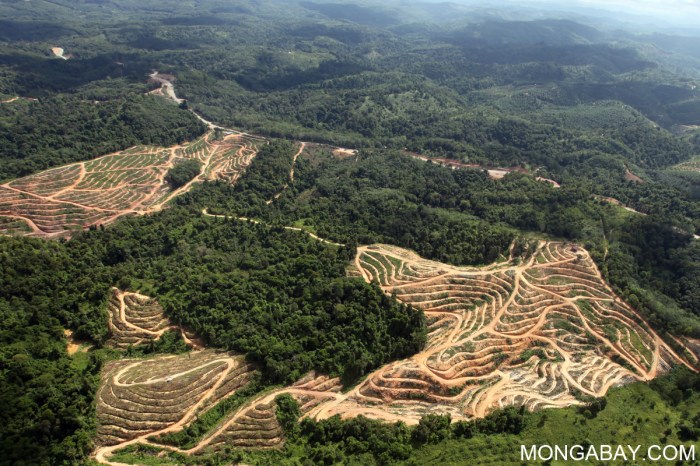
Technological advancements play a crucial role in monitoring and managing deforestation, providing tools that promote sustainable practices and ensure the health of our forests. With the increasing threat of deforestation, these innovations have become indispensable for conservation efforts worldwide.One of the most significant advancements in monitoring deforestation is the use of satellite imagery. Satellite technology enables researchers and conservationists to observe vast forest areas in real-time, allowing for efficient data collection on deforestation rates and trends.
Satellite Imagery in Deforestation Detection
Satellite imagery provides a comprehensive view of forest cover changes over time. This technology uses various sensors to capture images of the Earth’s surface, enabling the detection of changes in vegetation. The importance of satellite imagery in deforestation monitoring includes:
High-Resolution Images
Satellites like Landsat and Sentinel offer high-resolution images that allow scientists to observe minute changes in forest cover.
Global Coverage
Satellites can cover large geographic areas, providing data on deforestation in remote or hard-to-reach locations.
Change Detection
By comparing images over time, researchers can accurately identify areas where deforestation has occurred and calculate the extent of tree loss.
Data Accessibility
Many satellite data sources are available for free, allowing researchers and organizations to access critical information without significant financial investment.Technological tools complement satellite imagery in forest conservation and management. These tools facilitate data collection, analysis, and public engagement. Some notable examples include:
Geographic Information Systems (GIS)
GIS combines satellite data with other geographic data to analyze and visualize forest patterns, helping in decision-making processes related to land use and conservation strategies.
Drones
Unmanned aerial vehicles (UAVs) equipped with cameras and sensors provide detailed aerial views of forest areas. Drones are particularly useful for monitoring hard-to-access regions, conducting surveys, and assessing forest health.
Mobile Applications
Applications like Forest Watch allow users to report illegal logging activities and deforestation incidents. These apps empower local communities to contribute to conservation efforts by providing them with a platform to share information.
Data Analytics and Machine Learning
Advanced algorithms can analyze large datasets generated from satellite imagery and other sources to detect deforestation patterns, predict future loss, and inform policy decisions.Technological innovations are crucial in the ongoing battle against deforestation. By leveraging satellite imagery and complementary tools, stakeholders can enhance their capacity to monitor, manage, and protect forests effectively. The integration of these technologies into forest conservation strategies is pivotal for safeguarding our planet’s vital ecosystems.
Ending Remarks
In summary, addressing deforestation is not just about saving trees; it’s about preserving our planet for future generations. By understanding its causes and consequences, we can actively participate in the movement towards sustainable practices and conservation efforts. Whether through supporting global initiatives or adopting eco-friendly habits, every action counts in the fight against deforestation.
Answers to Common Questions
What are the main causes of deforestation?
The main causes include agriculture expansion, urbanization, logging, and infrastructure development, which lead to the clearing of forests for various human needs.
How does deforestation impact local communities?
Deforestation can lead to loss of livelihoods for communities that depend on forests for resources, and can also disrupt local economies and cultural practices.
What role do governments play in combating deforestation?
Governments can enforce anti-deforestation laws, create protected areas, and promote sustainable land-use practices to help curb forest loss.
Can technology help in monitoring deforestation?
Yes, technology such as satellite imagery and drones can provide real-time data on deforestation rates, helping to monitor and manage forest resources effectively.
What can individuals do to help reduce deforestation?
Individuals can support sustainable products, participate in reforestation projects, and educate others about the importance of forest conservation.


