
Energy Transition is not just a buzzword; it represents a transformative journey towards sustainable energy systems that affect our everyday lives. As societies grapple with climate change and environmental degradation, understanding how we shift from fossil fuels to greener alternatives becomes essential.
This transition is rooted in history, marked by pivotal changes in energy sources and driven by technological advancements, policy shifts, and societal demands. By diving into renewable energy sources, innovative technologies, and the economic and cultural dimensions of this transition, we can better appreciate its impact and urgency.
Understanding Energy Transition
The concept of energy transition refers to the global shift from traditional fossil fuel-based energy systems to a more sustainable and renewable energy model. This transition is crucial in addressing climate change, enhancing energy security, and promoting economic stability. As the world grapples with environmental challenges, understanding this shift becomes increasingly important for policymakers, businesses, and individuals alike.Energy transition is not a new phenomenon; it has historical roots that trace back through significant changes in energy sources over the centuries.
The Industrial Revolution marked a major shift from wood and animal power to coal, which later gave way to oil and natural gas in the 20th century. Each transition not only transformed society’s energy landscape but also had profound economic and environmental implications. In recent decades, however, there has been a notable shift towards renewable energy sources such as solar, wind, and hydroelectric power, driven by the need to reduce greenhouse gas emissions and combat climate change.
Key Drivers Behind the Current Energy Transition Movement
Several factors are actively driving the current momentum for energy transition. Understanding these drivers is essential for grasping the broader implications of this shift on global economies and environmental policies. The following are the primary drivers that catalyze the energy transition:
- Climate Change Awareness: Growing recognition of climate change’s impact has heightened the urgency for cleaner energy solutions. Governments and organizations are increasingly committing to carbon neutrality goals.
- Technological Advancements: Innovations in renewable energy technologies, such as solar panels and wind turbines, have made them more efficient and cost-effective, making them competitive with traditional energy sources.
- Policy and Regulation: Various nations have implemented regulations and incentives to promote renewable energy adoption, including subsidies for solar and wind projects, as well as penalties for carbon emissions.
- Economic Factors: The decreasing cost of renewable energy production, along with the financial risks associated with fossil fuel investments, encourages a shift towards more sustainable options.
- Public Support: Increased awareness and advocacy for environmental issues among the general public have driven demand for cleaner energy solutions, influencing both policy and market dynamics.
“Energy transition is not just a technological challenge; it is a societal one that involves rethinking our relationship with energy.”
This ongoing energy transition reflects a comprehensive approach to addressing the intertwined challenges of energy security, environmental sustainability, and economic resilience. Each of these drivers plays a crucial role in shaping the future of energy and influencing how societies adapt to new realities.
Renewable Energy Sources
The shift towards renewable energy sources is crucial for achieving a sustainable future. As traditional fossil fuels contribute significantly to climate change, exploring alternatives like solar, wind, hydro, and geothermal energy is essential. These sources not only reduce greenhouse gas emissions but also provide energy security and independence.Renewable energy sources harness natural processes to generate power, making them inherently sustainable.
Here’s a detailed look at each of these sources, their efficiencies, and their potential in contributing to the global energy transition.
Solar Energy
Solar energy is produced by capturing sunlight through photovoltaic cells or solar thermal systems. Its efficiency in converting sunlight to electricity can reach up to 20-22% for residential applications, with innovative technologies pushing this figure even higher. The potential for solar energy is immense, given that the sun provides more energy in one hour than the entire world uses in a year.
Wind Energy
Wind energy exploits the kinetic energy produced by air movement. Turbines convert this energy into electricity, achieving efficiencies of around 35-45%. Wind energy has become one of the fastest-growing renewable sources globally, with countries like Denmark and Germany leading the charge. The potential for wind energy is vast, especially in regions with consistent wind patterns.
Hydropower
Hydropower generates energy through the flow of water, typically using dams. It boasts the highest efficiency among renewable sources, averaging about 40-90%. Countries like Norway and Canada rely heavily on hydropower, showcasing its viability. However, environmental impacts and land use considerations must be managed to maximize benefits.
Geothermal Energy
Geothermal energy taps into the Earth’s internal heat. It has high efficiencies, often exceeding 10-20%, depending on the technology and location. Geothermal power plants can provide baseload energy, making them reliable. Regions with volcanic activity, like Iceland and parts of the United States, exemplify successful geothermal energy usage.
Advantages and Disadvantages of Renewable Energy Technologies
Understanding the pros and cons of each renewable energy technology is crucial for informed decision-making. The following table summarizes the advantages and disadvantages of solar, wind, hydro, and geothermal energy:
| Energy Source | Advantages | Disadvantages |
|---|---|---|
| Solar |
|
|
| Wind |
|
|
| Hydropower |
|
|
| Geothermal |
|
|
Technological Innovations
The journey towards energy transition is significantly driven by technological innovations that enhance efficiency and sustainability. Recent advancements in energy storage solutions and smart grid technology are pivotal, as they provide the necessary infrastructure for a more reliable and adaptable energy system. These innovations not only improve energy management but also facilitate the integration of renewable energy sources into existing grids.
Energy Storage Solutions
Energy storage technologies play a crucial role in managing the intermittent nature of renewable energy sources. As solar and wind power generation can fluctuate due to environmental conditions, effective storage systems ensure that excess energy can be saved for later use. Key advancements include:
- Lithium-ion Batteries: Widely used for their efficiency and decreasing costs, these batteries store energy generated from renewable sources and supply it when demand peaks. The global push for electric vehicles has also accelerated lithium-ion battery development.
- Flow Batteries: Offering longer discharge times and scalability, flow batteries are ideal for larger applications and can provide grid stability during demand surges.
- Compressed Air Energy Storage (CAES): This innovative method utilizes excess renewable energy to compress air in underground caverns, releasing it to generate electricity when needed.
Smart Grids
Smart grid technology enhances the efficiency and reliability of electricity distribution, integrating technology to monitor and manage energy flows. This innovation facilitates real-time communication between utilities and consumers, optimizing energy consumption. Key features of smart grids include:
- Advanced Metering Infrastructure (AMI): Smart meters provide real-time data on energy usage, allowing consumers to adjust their habits according to pricing signals.
- Demand Response Programs: These programs encourage consumers to reduce or shift their power use during peak demand times, thereby stabilizing the grid.
- Distributed Energy Resource Management Systems (DERMS): This technology enables better integration of distributed energy resources like solar panels and home batteries into the grid.
Role of Electric Vehicles
Electric vehicles (EVs) are a transformative element of the energy transition, shifting energy consumption patterns and influencing the overall demand for electricity. As EV adoption grows, they act as mobile energy storage units, offering several benefits:
- Vehicle-to-Grid (V2G) Technology: This innovative approach allows EVs to return stored energy back to the grid during peak times, helping to balance supply and demand.
- Reduction in Fossil Fuel Dependence: EVs reduce reliance on traditional fossil fuels, directly influencing energy consumption patterns towards cleaner alternatives.
- Charging Infrastructure Development: The expansion of charging stations encourages the use of EVs, further supporting the shift to renewable energy sources.
Flowchart of Technology and Renewable Energy Adoption
An illustrative flowchart would depict the interconnectedness of various technological advancements and their impact on renewable energy adoption. The flowchart could visually represent:
Start with Renewable Energy Sources
Solar, wind, hydro, etc.
Technological Innovations
Energy Storage Solutions
Smart Grid Technologies
Electric Vehicles
Impact on Energy Distribution and Consumption Patterns
Improved Efficiency
Increased Reliability
Reduced Carbon Footprint
Outcome
Transition to a sustainable energy future.
Such a flowchart would clearly show how each technology interacts with and supports the others, ultimately leading to more widespread adoption of renewable energy and a more sustainable energy landscape.
Policy and Regulation
Government policies and regulations serve as a critical backbone for the energy transition, guiding and influencing the shift from fossil fuels to renewable energy sources. These frameworks establish the necessary conditions for investment, technology development, and deployment of clean energy solutions, ultimately shaping the overall landscape of energy production and consumption.Governments around the world are leveraging policies and regulations to create environments conducive to sustainable energy practices.
These measures promote innovation, ensure compliance with environmental standards, and encourage cooperation among various stakeholders. The role of international agreements also cannot be understated; they foster collaboration and commitment among nations, pushing forward global efforts in energy transition initiatives.
Role of International Agreements
International agreements play a vital role in promoting energy transition efforts on a global scale. These accords facilitate collective action on climate change, setting common goals and frameworks for participating countries. Through these agreements, nations commit to reducing greenhouse gas emissions and enhancing their energy efficiency. Examples include the Paris Agreement, which aims to limit global warming to well below 2 degrees Celsius, driving countries to implement policies that align with this ambition.The importance of these agreements lies not just in the commitments made but in the collaborative spirit they foster.
Countries share best practices, technological innovations, and financial resources, ensuring a more unified approach to energy transition. Furthermore, international agreements often include mechanisms for monitoring progress and accountability, reinforcing the need for all parties to adhere to their pledges.
Key Policy Measures Supporting Energy Transition
Several key policy measures have proven effective in supporting energy transition initiatives worldwide. These strategies create the right incentives for both public and private sectors to invest in renewable energy technologies and infrastructure. Below are essential policy measures that have positively impacted energy transitions:
Feed-in Tariffs (FiTs)
These are guaranteed payments for renewable energy producers for the electricity they generate, providing financial stability and encouraging investment in clean energy technologies.
Tax Credits and Incentives
Financial incentives such as tax credits for solar panels or electric vehicles lower the economic barriers for consumers and businesses to adopt renewable energy solutions.
Renewable Portfolio Standards (RPS)
Mandates requiring utilities to obtain a certain percentage of energy from renewable sources, driving demand for clean energy and ensuring market growth.
Carbon Pricing
Implementing carbon taxes or cap-and-trade systems encourages businesses to reduce emissions by making fossil fuel usage more costly compared to renewable alternatives.
Support for Research and Development
Government funding and grants for R&D in clean energy technologies promote innovation and make emerging technologies more viable.
Energy Efficiency Standards
Regulations that set energy performance standards for appliances and buildings help reduce overall energy consumption, facilitating a smoother transition to greener energy sources.These policy measures not only support the growth of renewable energy industries but also contribute to broader economic, environmental, and social benefits, reinforcing the necessity of effective regulation in the energy transition.
Economic Implications
The transition to renewable energy has profound economic implications, reshaping job markets and industries in various ways. As traditional energy sources are phased out and renewable technologies gain traction, the economic landscape is evolving, presenting both challenges and opportunities for workforce development and investment.
Impact on Job Markets and Industries
The shift towards renewable energy not only influences existing industries but also creates new job opportunities. As fossil fuel industries decline, there is a corresponding rise in demand for skilled workers in renewable sectors. The following points highlight the key aspects of this transformation:
- Renewable energy industries, such as solar and wind, are projected to create millions of jobs globally, offsetting losses in fossil fuel sectors.
- Job roles in engineering, manufacturing, installation, and maintenance of renewable technologies are expanding rapidly.
- Training programs and educational initiatives are emerging to equip the workforce with necessary skills, adapting to the new energy paradigm.
Financial Incentives and Investment Opportunities
Investment in renewable energy is increasingly attractive to both private and public sectors, driven by financial incentives and favorable policies. Various aspects underscore the importance of these financial dynamics:
- Government subsidies and tax credits significantly reduce the upfront costs of renewable energy projects, encouraging investment.
- Private investors are increasingly funding clean technology startups, recognizing the long-term profitability of sustainable energy solutions.
- Green bonds and sustainable investment funds are gaining traction, allowing investors to support environmentally-friendly projects while earning returns.
Cost Comparison of Energy Sources
Understanding the financial feasibility of traditional versus renewable energy sources is crucial for stakeholders. The following table Artikels the cost trends over the last decade, showing a marked decline in renewable energy costs compared to traditional energy sources:
| Energy Source | Average Cost (USD per MWh) 2013 | Average Cost (USD per MWh) 2023 | Cost Change (%) |
|---|---|---|---|
| Coal | 60 | 55 | -8% |
| Natural Gas | 70 | 65 | -7% |
| Solar | 150 | 40 | -73% |
| Wind | 120 | 30 | -75% |
The decreasing costs of renewable energy sources highlight the economic viability of transitioning away from traditional fossil fuels.
Social and Cultural Perspectives
The energy transition is not solely a technological or economic shift; it also embodies significant social and cultural dimensions. Communities around the world are grappling with their identities and values as they navigate the transition to renewable energy. This cultural lens is crucial for understanding how societal attitudes can influence the adoption of clean energy solutions, shaping the collective future of energy consumption and social equity.Societal attitudes toward energy transition can vary greatly based on cultural contexts, historical experiences, and economic conditions.
In many regions, there is an increasing awareness and support for renewable energy, driven by a desire for sustainability and environmental stewardship. However, resistance persists in some communities due to concerns over job losses in traditional energy sectors or skepticism about the reliability of renewable sources. Engaging communities through education and inclusive discussions is essential to facilitate a smooth transition.
Implications of Energy Transition on Communities
The shift towards renewable energy has profound implications for communities, especially regarding energy access. As traditional energy sources phase out, many regions are seeking to ensure that energy transition benefits all members of society, particularly marginalized groups who have historically faced energy insecurity.Access to energy is critical for social and economic development. The energy transition can enhance accessibility in numerous ways:
- Decentralized Energy Solutions: Communities can adopt decentralized energy systems, such as solar microgrids, which empower local energy management and reduce reliance on centralized utility companies.
- Cost Reduction: As renewable technologies mature and scale, the cost of energy generation decreases, making energy more affordable for low-income households.
- Job Creation: The renewable energy sector can create new job opportunities within communities, particularly in installation, maintenance, and technology development.
- Health Benefits: Transitioning to cleaner energy sources reduces air and water pollution, leading to better health outcomes for community residents.
The implications extend beyond economic factors and delve into the fabric of community life. By prioritizing inclusivity during energy transitions, societies can foster a sense of ownership and collective responsibility over local energy systems.
Case Studies of Successful Community Transitions
Examining real-life examples of communities that have successfully transitioned to renewable energy provides valuable insights into the processes and benefits associated with energy transformation. These case studies highlight different strategies and outcomes, illustrating the potential for broad-based change.One notable case is the town of Güssing in Austria, which transformed from an energy importer to a self-sufficient energy community.
“The town has invested in biomass facilities, solar energy, and wind turbines, creating a local circular economy that not only provides energy but also stimulates local job growth.”
This transformation not only enhanced energy security but also strengthened community ties and local pride.Another example is the village of San Bartolomé in the Canary Islands, which undertook a comprehensive approach to renewable energy adoption.
“By integrating solar PV systems and wind energy, San Bartolomé achieved a remarkable reduction in carbon emissions while ensuring that energy costs remained manageable for residents.”
The community engagement in planning and implementing these projects has fostered a strong sense of collective ownership over their energy future.These case studies underscore the importance of local conditions, community engagement, and strategic planning in achieving successful energy transitions. The experiences of these communities offer a roadmap for others looking to embark on similar journeys toward sustainability and energy independence.
Future Trends in Energy Transition
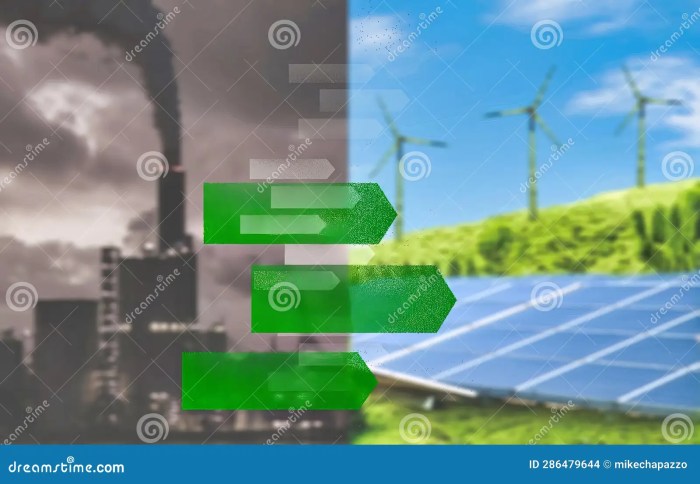
As the world shifts towards a more sustainable energy landscape, understanding the future trends in energy transition is crucial. The next decade is expected to witness significant transformations driven by technological advancements, policy changes, and shifting consumer preferences. These trends will not only shape the energy sector but also influence the global economy and society at large.Innovation and research play a pivotal role in the energy transition, fostering new ideas and solutions that can address the complex challenges of sustainable energy.
With continuous investments in clean technologies and renewable sources, the future strategies will likely focus on enhancing efficiency, reducing costs, and promoting widespread adoption of sustainable practices.
Emerging Trends in Energy Transition
Several trends are emerging that will likely characterize the energy transition in the coming years. Recognizing these trends can help stakeholders prepare for the evolving energy landscape.
- Decentralization of Energy Systems: The shift towards decentralized energy systems, such as microgrids and local energy communities, is gaining momentum. This allows for localized energy production and consumption, promoting resilience and reducing transmission losses.
- Integration of Renewable Energy: The increasing penetration of renewables into the grid will lead to advancements in energy storage technologies, such as batteries and pumped hydro storage, to mitigate intermittency and enhance reliability.
- Electrification of Transportation: The transition to electric vehicles (EVs) is expected to accelerate, supported by infrastructural developments and policy incentives aimed at reducing greenhouse gas emissions.
- Hydrogen Economy: Hydrogen, particularly green hydrogen produced from renewable sources, is emerging as a versatile fuel that can decarbonize sectors traditionally reliant on fossil fuels, including heavy industry and shipping.
- Digitalization of Energy Management: Smart technologies and data analytics will enhance energy monitoring and management, optimizing consumption patterns and improving efficiency across sectors.
Predicted Challenges and Opportunities for the Next Decade
The energy transition presents a mix of challenges and opportunities that stakeholders must navigate. Understanding these factors is essential for effective strategy formulation.
The next decade is expected to be shaped by both obstacles and avenues for advancement in the energy sector. Below is a list of predicted challenges and opportunities that will arise:
- Challenges:
- Infrastructure Limitations: Aging energy infrastructure may hinder the integration of new technologies and renewables, requiring significant investment in upgrades.
- Policy and Regulatory Uncertainty: Inconsistent policies and regulations across regions can create barriers for investors and impede the growth of renewable energy projects.
- Workforce Transition: The shift from fossil fuels to renewables demands retraining and upskilling of the existing workforce to prevent job losses and ensure a smooth transition.
- Resource Management: As demand for materials like lithium and cobalt grows, ensuring sustainable sourcing and minimizing environmental impacts will be crucial.
- Public Acceptance: Resistance from communities regarding new projects, especially those involving the installation of wind farms or solar arrays, can delay progress.
- Opportunities:
- Investment Growth: Increasing investments in clean energy technologies are expected, driven by both public and private sectors, creating jobs and stimulating economic growth.
- Innovation in Energy Storage: Significant advancements in battery technology and other energy storage solutions will facilitate greater adoption of intermittent renewable sources.
- Cross-sector Collaboration: Partnerships between energy, technology, and transport sectors can lead to integrated solutions that enhance sustainability.
- Public Engagement: Increased awareness of climate change and sustainability will drive consumer demand for clean energy, prompting companies to adapt their offerings.
- Global Leadership: Countries leading the charge in energy transition may gain economic advantages, positioning themselves as leaders in emerging markets associated with clean technologies.
Last Point
In summary, the Energy Transition is a multifaceted movement that holds the key to a sustainable and equitable future. By embracing renewable technologies, understanding policy frameworks, and fostering social acceptance, we can navigate the challenges ahead and seize the opportunities for a cleaner planet.
Popular Questions
What is Energy Transition?
Energy Transition refers to the global shift from fossil fuel-based energy systems to renewable energy sources aimed at reducing carbon emissions and promoting sustainability.
Why is Energy Transition important?
It is crucial for combating climate change, improving energy security, and fostering economic growth through innovation in renewable technologies.
What are the key renewable energy sources?
The main renewable energy sources include solar, wind, hydro, geothermal, and biomass, each with unique benefits and applications.
How do electric vehicles contribute to Energy Transition?
Electric vehicles reduce reliance on fossil fuels and lower greenhouse gas emissions, supporting the overall goal of creating a sustainable energy ecosystem.
What role do policies play in Energy Transition?
Government policies and regulations shape the energy landscape by providing incentives for renewable energy adoption and setting emission reduction targets.


