
Addressing structural issues related to building foundations is crucial for the safety and longevity of any building. Foundations are the backbone of structures, and understanding the problems that can arise is essential for effective maintenance and repair. From settlement and cracking to environmental factors, recognizing these issues early can save homeowners and builders time and money.
In this discussion, we’ll delve into the various types of foundation problems, methods for identifying them, and effective solutions to ensure your building remains stable. We’ll also explore preventative measures and case studies that highlight real-world scenarios, giving you a comprehensive view of foundation health.
Understanding Structural Issues in Building Foundations
Building foundations are critical components of any structure, providing stability and support. However, various structural issues can arise, jeopardizing the integrity and longevity of a building. Understanding these problems is essential for homeowners, builders, and property managers alike, as it can lead to timely interventions and informed decisions regarding repairs and maintenance.Common structural issues related to building foundations include cracks, settlement, heaving, and moisture intrusion.
Each of these issues can manifest in different ways, often leading to significant consequences if not addressed promptly. For instance, cracks in walls or floors can indicate that a foundation is shifting or settling unevenly, while moisture intrusion can lead to mold growth and deterioration of materials. Recognizing these signs early can prevent costly repairs and ensure the safety of occupants.
Key Factors Contributing to Foundation Problems
Several factors can lead to foundation issues, and understanding these can help mitigate risks. Key contributors include:
- Soil Type: The type of soil beneath a building plays a crucial role in its foundation’s stability. Clay soils, for example, expand when wet and shrink when dry, leading to movement.
- Water Drainage: Improper drainage around a foundation can cause water to pool, leading to erosion and soil saturation that weakens the foundation.
- Tree Root Proximity: Trees planted too close to a foundation can draw moisture from the soil or, alternatively, grow roots that invade and disrupt the foundation.
- Construction Quality: Poor workmanship during the construction phase can result in inadequate foundation support, making the structure more susceptible to problems.
Understanding these factors can empower property owners to take proactive measures, such as improving drainage or monitoring tree growth, to protect their foundations.
Implications of Neglected Structural Issues on Buildings
Neglecting structural issues can lead to severe implications for a building, including:
- Decreased Property Value: Properties with foundation issues are often less appealing to buyers, leading to diminished resale values.
- Safety Hazards: Structural instability can pose risks to occupants, leading to potential injuries or even catastrophic failures in extreme cases.
- Increased Repair Costs: Addressing small problems early is typically far less expensive than dealing with extensive damage resulting from neglect.
- Insurance Challenges: Foundations with documented issues may complicate insurance claims or even lead to increased premiums.
Recognizing the importance of addressing these issues not only helps maintain the safety and integrity of a building but also protects financial investments and enhances overall property value.
Timely intervention is key; addressing foundational problems early can save homeowners significant costs and prevent safety hazards.
Types of Foundation Problems
Foundation issues can arise in various forms, often leading to significant structural damage if not addressed promptly. Understanding these problems is critical for homeowners, builders, and structural engineers alike. It’s essential to recognize the signs of foundation distress and the factors contributing to these problems to implement effective solutions.One of the most common types of foundation problems is settlement, which refers to the downward movement of a building’s foundation caused by uneven soil support.
Heaving, on the other hand, is the upward movement that occurs when soil expands, often due to moisture changes or freeze-thaw cycles. Cracking can manifest in multiple ways, affecting the foundation and the walls of the structure, and is often a visual indicator of deeper issues.
Settlement Issues
Settlement typically occurs when soil beneath a foundation compresses or shifts. This can happen for several reasons, including:
- Soil Type: Clay soils, for instance, expand when wet and shrink when dry, which can lead to uneven settlement.
- Construction Techniques: Poor compaction during the building process may leave voids, leading to future settlement.
- Water Drainage: Improper drainage can erode soil, causing the foundation to settle unevenly.
The effects of settlement can be severe, leading to tilted floors, misaligned windows, and doors that stick. An example of this is the Leaning Tower of Pisa, which famously began to settle shortly after construction due to unstable soil conditions.
Heaving Problems
Heaving occurs when the foundation is pushed upward, commonly due to soil expansion caused by moisture. Factors affecting heaving include:
- Soil Moisture: Seasonal changes in moisture levels, particularly in clay-rich soils, can lead to heaving.
- Tree Roots: Roots growing near a foundation can draw moisture from the soil, causing nearby soil to expand and heave.
- Freeze-Thaw Cycles: In colder climates, repeated freezing and thawing can create pressure in the soil beneath the foundation.
A notable case illustrating heaving is found in regions prone to frost, where homes experience significant foundation lift during winter months, often resulting in costly repairs.
Cracking Issues
Cracks in foundation walls or floors are often indicative of underlying trouble. There are different types of cracks, which can be categorized as:
- Vertical Cracks: These usually signify normal settlement but can also indicate more serious issues if they are wide or growing.
- Horizontal Cracks: Often a sign of pressure from expansive soils or water buildup, these can be critical and require immediate attention.
- Diagonal Cracks: These are commonly caused by foundation settlement and may indicate uneven weight distribution.
The materials used in construction also play a significant role in how foundations react to stress and environmental factors. For instance, concrete that is improperly mixed or reinforced may be more susceptible to cracking under pressure. Additionally, poor-quality materials can exacerbate existing problems, leading to premature failure of the foundation.Environmental conditions, such as heavy rainfall or drought, can significantly contribute to foundation issues.
Consistent moisture can erode soil and increase the risk of heaving, while dry spells can lead to soil shrinkage and settlement. Therefore, monitoring environmental conditions and properly managing drainage and landscaping can mitigate many foundation-related problems.
“A well-maintained foundation is critical to the longevity and safety of any structure.”
Methods for Identifying Structural Issues
Identifying structural issues in building foundations is crucial for maintaining the safety and longevity of any structure. Various techniques can be employed to accurately survey and diagnose foundation problems, ensuring that any signs of distress are promptly addressed. Understanding these methods not only protects the integrity of the building but also enhances the safety of its occupants.Regular inspections play a pivotal role in identifying foundation issues before they escalate into more significant problems.
These inspections can uncover subtle signs of distress such as cracks in walls or uneven flooring that might otherwise go unnoticed. Homeowners and building managers should prioritize routine evaluations as part of a comprehensive maintenance strategy.
Survey Techniques for Foundation Diagnostics
There are a range of survey techniques available for identifying foundation issues. Each method offers unique insights into the structural integrity of a building’s foundation. Here’s a look at some commonly used techniques:
- Visual Inspections: A fundamental yet effective method where trained professionals examine the exterior and interior of a building for visible signs of distress, including cracks and settling. Critical areas to inspect include the foundation walls, basement, and flooring.
- Leveling Techniques: Utilizing levels or laser leveling equipment helps determine if a foundation is sinking or shifting. This method can accurately measure elevation changes over time.
- Soil Testing: Analyzing soil composition and stability around the foundation can provide insights into potential shifts caused by soil erosion, expansion, or other geological factors. Proper soil conditions are essential for foundation stability.
- Foundation Movement Monitoring: Installing monitoring devices allows for the continuous observation of foundation movement. Instruments such as tiltmeters and crack monitors can provide real-time data on changes over time.
- Geophysical Methods: Advanced technologies such as ground-penetrating radar (GPR) are employed to assess subsurface conditions without invasive digging. GPR can identify voids or anomalies beneath the foundation that could lead to collapse.
The importance of these methods lies in their ability to detect problems early on, allowing for timely remediation before they develop into complex issues.
Importance of Regular Inspections
Regular inspections are vital in maintaining foundation integrity and ensuring the longevity of the building. These assessments help identify potential issues that may not be immediately visible. By establishing a routine inspection schedule, property owners can proactively manage and mitigate risks associated with foundation failures.In addition to visual inspections, documenting findings and patterns over time can reveal trends that inform maintenance decisions.
This data-driven approach supports timely interventions, which can ultimately save on costly repairs and enhance occupant safety.
Role of Technology in Foundation Assessment
The integration of technology has revolutionized the detection of early signs of foundation distress. Innovative tools provide enhanced accuracy and efficiency in identifying structural issues:
- 3D Scanning: This technology captures detailed measurements of a building’s structure, creating a three-dimensional model that can highlight potential deviations from the original design.
- Thermal Imaging: Using infrared cameras, thermal imaging detects temperature variations in walls and ceilings, which may indicate moisture intrusion or inadequate insulation – both of which can affect foundation stability.
- Smart Sensors: Deploying IoT-enabled sensors allows for continuous monitoring of structural health, providing data on stress, strain, and moisture levels that can indicate potential foundation issues.
- Drone Inspections: Drones can access hard-to-reach areas and provide aerial views of the property, making it easier to spot signs of shifting or settling from above.
By leveraging these advanced technologies, property owners can effectively identify foundation issues at an early stage, minimizing risks and maintaining structural integrity.
Solutions and Remediation Techniques
Addressing foundation issues is crucial for the longevity and safety of any building. Various techniques exist for stabilizing foundations, each with its own applications, advantages, and drawbacks. Understanding these solutions allows homeowners and contractors to make informed decisions regarding the repair process.
Methods for Stabilizing Foundations
Among the most effective methods for stabilizing foundations are underpinning and piering. These techniques are used to provide additional support to the existing foundation, ensuring it can bear the weight of the structure above and resist further settlement or movement.Underpinning involves extending the foundation depth to reach a more stable soil layer, while piering uses hydraulic piers driven deep into the ground to support the structure.
Each method has specific use cases depending on the type and severity of foundation issues.
Remediation Techniques Overview
Understanding various remediation techniques can help identify which method is most suitable based on the foundation type. Below is a detailed table outlining these techniques along with their applicability.
| Remediation Technique | Foundation Type | Suitability |
|---|---|---|
| Underpinning | Shallow Foundations | Effective for settlement issues. |
| Piering | All Foundation Types | Best for severe settlement and heaving. |
| Helical Piers | Lightweight Structures | Ideal for underpinning and new constructions. |
| Slabjacking | Concrete Slab Foundations | Effective for lifting settled slabs. |
| Wall Anchors | Basement Walls | Helps stabilize bowing or leaning walls. |
Pros and Cons of Foundation Repair Methods
Each foundation repair method comes with its own set of advantages and disadvantages. Understanding these can help you choose the best approach for your situation.
Underpinning provides deep support but can be time-consuming and expensive.
Piering is versatile and works for multiple foundation types but may require significant excavation.
When considering these methods, it’s important to weigh their effectiveness against costs and the specific conditions of the site. Underpinning is excellent for addressing settling issues but may not solve problems related to expansive soils. Piering, while broadly applicable, can be less feasible in areas with restricted access or poor soil conditions.In summary, evaluating the suitability of each technique based on your foundation type and prevailing conditions is critical for effective remediation, ensuring the long-term stability and safety of your building.
Preventative Measures for Foundation Health
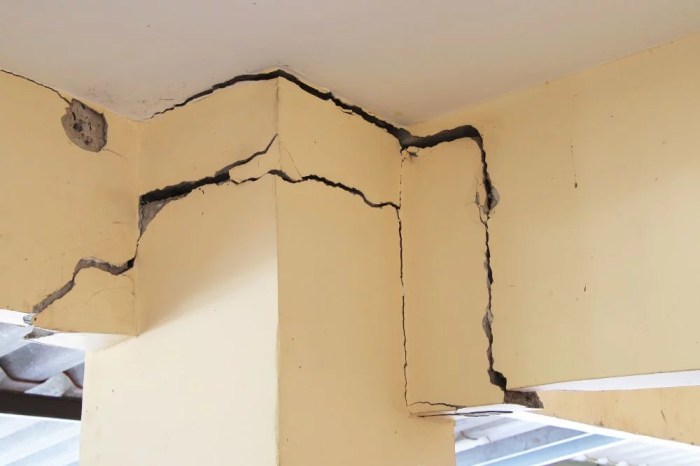
Maintaining the integrity of building foundations is crucial in ensuring the overall safety and longevity of structures. By implementing effective preventative measures, homeowners and builders can significantly reduce the risk of structural issues. This section focuses on practical strategies that can be employed to safeguard building foundations and maintain the surrounding landscape.
Strategies for Preventing Structural Issues
To effectively prevent foundation problems, it is essential to be proactive rather than reactive. Here are key strategies that can be put into practice:
- Regular Inspections: Schedule routine inspections of your foundation to catch any early signs of trouble, such as cracks or uneven settling.
- Soil Maintenance: Ensure that the soil around your foundation remains stable and compact. Avoid excessive excavation or soil removal that can destabilize the ground.
- Trenching and Backfilling: If adding any landscaping or structures near the foundation, ensure proper trenching and backfilling techniques are used to prevent ground movement.
Best Practices for Maintaining Surrounding Landscape
The way you manage and maintain your yard can greatly affect your foundation’s health. Here are some best practices that help protect foundations through landscape management:
- Keep Plants and Trees at a Distance: Avoid planting trees or large shrubs too close to the foundation. Roots can penetrate and disrupt the soil, leading to potential shifting.
- Mulching and Grading: Use mulch to create a barrier that helps retain moisture in the soil and grade the landscape away from the foundation to direct water away.
- Consistent Lawn Maintenance: Regularly mow and maintain your lawn, as overgrown grass can impede water flow and create drainage issues.
Importance of Proper Drainage Systems
A robust drainage system is vital in preventing foundation damage. Without proper drainage, excess water can accumulate around the foundation, leading to soil erosion and structural weakening. The following elements are essential for effective drainage:
- Gutters and Downspouts: Ensure that gutters are clear of debris and that downspouts extend far enough away from the foundation to direct water away.
- French Drains: Consider installing French drains around the perimeter of your property to manage groundwater and prevent pooling near the foundation.
- Surface Grading: Implement proper grading techniques to ensure that the ground slopes away from the foundation, allowing rainwater to flow away naturally.
“A well-maintained foundation is the backbone of a sturdy building; it keeps your home safe and sound.”
Case Studies of Foundation Issues and Resolutions
Exploring real-life case studies of foundation issues provides invaluable insights into the complexities of structural problems and the effectiveness of various remediation strategies. By analyzing specific examples, we can glean important lessons and best practices that can be applied to future foundation issues.
Residential Foundation Settlement
One notable case involved a residential property in Texas experiencing significant foundation settlement. The homeowners noticed cracks in the walls and doors that were difficult to open, indicative of a shifting foundation. After conducting a thorough inspection, professionals determined that the primary cause was excessive moisture fluctuation due to inadequate drainage around the home.To address this issue, the remediation involved the installation of a French drain system to redirect water away from the foundation.
In addition, the foundation was stabilized using piering technology, which involved driving steel piers deep into the bedrock beneath the home. This method not only lifted the foundation back to its original position but also provided long-term stability.The effectiveness of this strategy was evident; after remediation, the homeowners reported an immediate improvement in the structural integrity of their home. This case highlights the importance of addressing drainage issues as a preventive measure to mitigate foundation problems.
Commercial Building Foundation Cracking
A commercial building in California faced severe cracking in its concrete foundation, which raised concerns about its structural integrity. The building, which housed multiple tenants, experienced extensive movement due to soil expansion and contraction caused by seasonal weather changes.The engineering team implemented a comprehensive analysis using ground-penetrating radar to identify the extent of the damage and the underlying soil conditions.
After determining the cause, the solution involved underpinning the foundation with helical piers and injecting polyurethane foam to stabilize the soil beneath the building. This dual approach successfully addressed both the immediate structural concerns and the underlying soil issues. Post-repair evaluations showed that the foundation remained stable even after subsequent weather events. This case serves as a reminder of the importance of thorough analysis before remediation, as it allows for tailored solutions that effectively address the root cause of foundation issues.
Lessons Learned from Notable Foundation Repair Projects
Several key takeaways can be drawn from these and other foundation repair projects:
- Early Detection is Crucial: Identifying foundation issues early can significantly reduce repair costs and complexity.
- Comprehensive Assessment: Employing advanced diagnostic tools, such as ground-penetrating radar, can provide a clearer understanding of the problem.
- Customized Solutions: Each foundation issue is unique, and effective remediation requires tailored solutions that address specific underlying causes.
- Long-Term Planning: Implementing preventative measures, such as proper drainage systems, can prolong foundation health and avoid future issues.
These insights emphasize the importance of proactive maintenance and the value of professional assessment in managing foundation health. By learning from past cases, homeowners and builders can make informed decisions to ensure the stability and longevity of their structures.
The Role of Professionals in Addressing Foundation Issues
When it comes to foundation issues, the expertise of qualified professionals can make all the difference. Foundation problems can lead to significant structural failures and costly repairs if not handled properly. This is why hiring the right people for foundation assessments and repairs is not just advisable, but essential for safeguarding the integrity of a building.Foundation repair is not a DIY project; it requires specialized knowledge and experience.
Qualified professionals possess the skills and certifications necessary to accurately assess foundation conditions and implement effective solutions. A well-trained expert can identify underlying issues that might be invisible to an untrained eye, ensuring that any repairs address root causes and not just symptoms.
Importance of Hiring Qualified Professionals
The need for skilled professionals in foundation repair arises from the complexity of structural issues. Engaging an expert ensures thorough evaluations and the development of a targeted remediation plan tailored to specific conditions. Some of the key benefits include:
- Accurate Assessments: Professionals can accurately diagnose foundation problems using advanced tools and techniques, allowing for precise interventions.
- Effective Solutions: Experienced repair specialists implement proven methods that address both immediate issues and long-term stability.
- Safety Assurance: Foundation work involves safety risks, and professionals ensure compliance with local codes and regulations to protect homeowners and workers alike.
Certifications and Qualifications for Foundation Repair Experts
Selecting the right professional can be challenging, but certain certifications and qualifications can guide your decision. Here are some important credentials to consider:
- Structural Engineer License: A licensed structural engineer has the expertise to analyze the building’s framework and foundation integrity.
- Foundation Repair Certifications: Look for certifications from recognized organizations, such as the International Association of Certified Home Inspectors (InterNACHI) or the National Association of Waterproofing and Structural Repair Contractors (NAWSRC).
- Experience: Years of experience in foundation repair can indicate a professional’s ability to handle various issues and provide effective solutions.
Collaboration of Architects, Engineers, and Contractors
Collaborative efforts among architects, engineers, and contractors are crucial for maintaining building stability. Such teamwork ensures that all aspects of a project are considered, from design to execution. The synergy of these professionals leads to:
- Integrated Solutions: Architects can design structures that accommodate soil and environmental conditions, while engineers evaluate the structural implications of those designs.
- Streamlined Communication: Collaboration fosters better communication, minimizing misunderstandings that can lead to costly mistakes or safety issues.
- Comprehensive Planning: A combined approach leads to thorough planning and execution of foundation repairs, ensuring that all potential problems are addressed proactively.
“Engaging professionals for foundation issues is not just about fixing a problem; it’s about preserving the safety and longevity of your investment.”
Future Trends in Foundation Engineering
As the field of foundation engineering evolves, emerging technologies and shifting environmental conditions are reshaping the landscape of building foundations. The integration of innovative practices not only enhances construction methods but also addresses the pressing issues posed by climate change. This exploration into future trends highlights the advancements that will likely define the foundation engineering industry in the years to come.
Emerging Technologies in Foundation Construction
Technological advancements play a pivotal role in redefining foundation construction and repair methodologies. Innovations such as 3D printing, advanced materials, and smart sensors are paving the way for more efficient and robust foundation systems. One of the key advancements is the use of geosynthetics, which are synthetic products used to improve soil stability and drainage. These materials can significantly reduce excavation costs and construction time while enhancing the durability of foundations.
Another emerging technology is micro-piling, which allows for the installation of smaller, more efficient piles in tight spaces, minimizing disturbance to surrounding structures.Furthermore, drone technology is increasingly being utilized for site surveys and inspections. Drones equipped with high-resolution cameras and LiDAR technology can produce accurate topographical maps, enabling engineers to better understand site conditions before construction begins. The integration of artificial intelligence (AI) and machine learning in structural analysis tools also promises to enhance predictive maintenance, allowing engineers to foresee potential foundation issues before they arise.
Sustainable Practices in Foundation Engineering
Sustainability is becoming a focal point in foundation engineering, driven by the need to reduce environmental impact while maintaining structural integrity. This trend includes the use of recycled materials in construction, which not only conserves natural resources but also minimizes waste. For instance, utilizing recycled concrete aggregates in new foundation structures can reduce the demand for virgin materials and decrease carbon emissions associated with traditional concrete production.
Additionally, eco-friendly foundation methods, such as using rammed earth or stabilized soil blocks, offer sustainable alternatives to conventional concrete foundations, providing excellent thermal insulation and reducing the carbon footprint of construction projects.The implementation of green building certifications, such as LEED (Leadership in Energy and Environmental Design), encourages developers to adopt sustainable practices in foundation engineering. These certifications promote designs and materials that enhance energy efficiency and sustainability, ensuring that foundations contribute positively to overall building performance.
Impact of Climate Change on Foundation Engineering Practices
Climate change is having a profound impact on foundation engineering, necessitating the adaptation of practices to address increased risks associated with extreme weather events. Rising sea levels, increased rainfall, and temperature fluctuations can significantly affect soil stability and foundation integrity.Engineers are now considering climate-resilient design practices that account for potential flooding and soil erosion. For example, the use of deep foundations or pilings in flood-prone areas helps to elevate structures above potential flood levels, safeguarding against water damage.
Moreover, the incorporation of drainage systems within foundation designs is essential to manage excess water during heavy rainfall, reducing the risk of soil saturation and subsequent foundation failure.In addition, predictive modeling tools that assess future climate scenarios can guide engineers in making informed decisions about foundation types and construction methods. By analyzing data collected from past weather patterns and projections, engineers can develop more resilient structures capable of withstanding the impacts of climate change.
Final Conclusion
In conclusion, understanding and addressing structural issues related to building foundations is a multi-faceted endeavor that requires attention, knowledge, and often professional help. By staying informed about the types of foundation problems and the latest remediation techniques, you can protect your investment and ensure the safety of your building. Remember, proactive measures can make all the difference in maintaining foundation integrity.
Popular Questions
What are common signs of foundation issues?
Common signs include cracks in walls, doors that stick or don’t close properly, and uneven floors.
How often should I inspect my foundation?
It’s recommended to inspect your foundation at least once a year, or more frequently if you notice any issues.
Can I fix foundation problems myself?
While some minor issues can be addressed DIY, it’s best to consult a professional for significant problems to ensure proper repairs.
What is underpinning?
Underpinning is a method used to strengthen and stabilize an existing foundation by extending its depth or distributing its load more effectively.
How does moisture affect foundation stability?
Excess moisture can lead to soil expansion and contraction, causing foundation movement, while too little moisture can lead to shrinkage and settling.


