
Improving heating ventilation and air conditioning systems for better performance and energy efficiency. is a vital topic in today’s world where comfort and sustainability go hand in hand. Whether you’re a homeowner looking to optimize your indoor environment or a business aiming to cut down on energy costs, understanding HVAC systems can make a significant difference. This discussion will delve into the importance of enhancing HVAC system performance, the latest technologies available, and practical strategies for efficient energy use.
From the role of modern tech like smart thermostats to simple maintenance tips, we’ll explore various aspects that contribute to better HVAC performance and energy savings. By the end of this conversation, you’ll have a comprehensive understanding of how to make your HVAC system work smarter, not harder.
Importance of HVAC System Performance
Optimizing HVAC systems is crucial for enhancing energy efficiency and ensuring a comfortable indoor environment. A well-functioning HVAC system not only reduces energy consumption but also contributes significantly to overall health and well-being. Improving system performance has far-reaching effects that extend beyond just comfort; it impacts the environment and operational costs.The impact of HVAC performance is multi-faceted, affecting both indoor air quality and the level of comfort experienced by occupants.
Efficient systems maintain a consistent temperature and humidity level, preventing discomfort and health issues such as respiratory problems or allergies. Additionally, poor HVAC performance can lead to higher energy bills, as systems work harder to reach desired temperatures, creating a vicious cycle of inefficiency and increased costs.
Consequences of Inefficient HVAC Systems
Inefficient HVAC systems often suffer from various issues that can compromise their performance. Understanding these common problems can help in taking proactive measures for improvement. Below are some typical issues faced by inefficient heating and cooling systems:
- Inadequate Maintenance: Regular maintenance is essential for optimal performance. Neglected systems can develop issues such as clogged filters, which reduce airflow and efficiency.
- Improper Sizing: Systems that are too large or too small for a space can lead to inconsistent temperatures and increased energy consumption.
- Leaky Ductwork: Duct leaks can cause significant energy loss, leading to higher utility bills and reduced comfort levels within indoor spaces.
- Old or Outdated Equipment: Older systems often lack the energy-saving technologies found in newer models, making upgrades a viable solution for improved efficiency.
A well-maintained HVAC system is vital for ensuring the best indoor air quality. Systems that are not performing optimally can circulate pollutants and allergens, which can lead to serious health concerns. In contrast, efficient HVAC systems contribute to cleaner air and a healthier living environment.
“A properly maintained HVAC system can reduce energy consumption by up to 30%.”
Energy Efficiency Improvements
Improving energy efficiency in HVAC systems is crucial for reducing energy costs and minimizing environmental impact. By implementing effective strategies and conducting thorough energy audits, building owners can enhance the performance of their systems while enjoying the benefits of modern technology.Enhancing energy efficiency starts with understanding the current performance of HVAC systems. This often involves identifying areas where energy is being wasted and developing strategies to mitigate those inefficiencies.
Upgrading to high-efficiency units is one of the most effective ways to achieve this. These units are designed to use less energy while providing the same or better levels of comfort and air quality.
Strategies for Enhancing Energy Efficiency
A variety of strategies can be employed to improve the energy efficiency of HVAC systems. Implementing these strategies not only reduces energy consumption but can also extend the lifespan of the equipment. Here are some key approaches:
- Regular Maintenance: Scheduled maintenance ensures that HVAC systems operate at peak performance. This includes changing filters, cleaning ducts, and inspecting components for wear and tear.
- Smart Thermostats: Installing programmable or smart thermostats helps optimize energy use by automatically adjusting temperatures based on occupancy patterns.
- Insulation and Sealing: Proper insulation and sealing of ductwork prevent energy loss, ensuring that heated or cooled air reaches the intended spaces without leaks.
- Variable Speed Motors: Utilizing variable speed motors in HVAC systems allows for more efficient operation as they adjust to the heating or cooling demands of the space.
Methods for Conducting Energy Audits
Conducting energy audits is essential for identifying inefficiencies within existing HVAC systems. A comprehensive audit can pinpoint specific areas for improvement, leading to significant energy savings. Here’s how to effectively conduct an energy audit:
- Data Collection: Gather historical data on energy consumption, HVAC performance, and occupancy levels to establish a baseline for analysis.
- Inspection of Equipment: Physically inspect HVAC components, including chillers, boilers, and ductwork, to identify signs of wear or inefficiency.
- Thermal Imaging: Use thermal imaging cameras to visualize heat loss or air leaks in building envelopes and duct systems.
- Benchmarking: Compare the building’s energy performance against similar buildings to identify areas where improvements can be made.
Benefits of Upgrading to High-Efficiency Units
Investing in high-efficiency HVAC units is a key strategy for enhancing energy performance. The advantages of these systems extend beyond just lower energy bills:
- Reduced Energy Costs: High-efficiency units use advanced technology to consume significantly less energy, leading to lower utility bills over time.
- Improved Comfort: These systems provide better temperature control and improved indoor air quality, resulting in a more comfortable living or working environment.
- Environmental Impact: Utilizing less energy contributes to reduced greenhouse gas emissions, promoting a healthier planet.
- Incentives and Rebates: Many regions offer financial incentives for upgrading to energy-efficient systems, making the initial investment more manageable.
“Upgrading to high-efficiency HVAC units can lead to energy savings of up to 30% compared to standard systems.”
Advanced Technologies in HVAC
As the demand for energy-efficient solutions continues to grow, advanced technologies in HVAC systems play a vital role in improving performance and reducing energy consumption. By embracing innovations such as smart thermostats and variable refrigerant flow (VRF) systems, homeowners and businesses can achieve significant savings and enhanced comfort. This section delves into the latest advancements in HVAC technology, highlighting their benefits and how they compare to traditional systems.
Smart Thermostats and Energy Savings
Smart thermostats have revolutionized the way we manage indoor climates by leveraging Wi-Fi connectivity and smart algorithms. These devices allow users to program their heating and cooling schedules remotely, facilitating optimal energy use without sacrificing comfort.
Energy Monitoring
Smart thermostats provide real-time data on energy consumption, enabling users to identify patterns and adjust settings accordingly.
Adaptive Scheduling
By learning user behavior and preferences, smart thermostats automatically adjust temperatures based on occupancy, which can lead to substantial energy savings.
Integration with Smart Homes
Many smart thermostats integrate seamlessly with other smart home devices, enhancing overall energy efficiency. For example, they can communicate with smart blinds to minimize heat gain during hot days.The combination of these features results in energy savings of up to 10-15% compared to traditional thermostats, as noted by industry studies.
Variable Refrigerant Flow (VRF) Systems
Variable refrigerant flow (VRF) systems are advanced HVAC solutions that provide precise temperature control across multiple zones. Unlike traditional systems that operate on a fixed refrigerant flow, VRF technology adjusts the flow of refrigerant based on the specific needs of each zone.
Energy Efficiency
VRF systems can achieve efficiency ratings of up to 30% higher than conventional HVAC systems due to their ability to modulate the refrigerant flow.
Zoning Capabilities
By allowing individual temperature control in different areas, VRF systems enhance comfort and conserve energy by avoiding unnecessary heating or cooling.
Flexible Installation
VRF systems require less ductwork, making them ideal for retrofitting existing buildings or for installations in spaces with limited room for ducts.These benefits not only lead to lower utility bills but also create a more personalized indoor environment.
Comparison with Traditional HVAC Units
When comparing traditional HVAC units with modern, energy-efficient alternatives, several key differences emerge that highlight the advantages of newer technologies.Traditional HVAC systems often rely on single-stage compressors that operate at full capacity or not at all. In contrast, energy-efficient systems utilize variable speed compressors that adjust output based on demand.
Energy Consumption
Energy-efficient systems typically consume 30-50% less energy than traditional systems, translating to significant cost savings over time.
Noise Levels
Modern systems are designed for quieter operation, which improves comfort levels in residential and commercial settings.
Maintenance and Longevity
Advanced HVAC systems often come equipped with self-diagnostic features, reducing maintenance needs and extending lifespan. In a real-life example, a case study in California showed that a commercial building that upgraded from a traditional HVAC unit to a VRF system realized a 40% reduction in energy costs within the first year.
Maintenance Practices for Optimal Performance
Regular maintenance of HVAC systems is essential for ensuring optimal performance and longevity. A well-maintained system not only operates more efficiently but also contributes to lower energy costs and improved indoor air quality. Establishing a consistent maintenance routine can help in identifying potential issues before they escalate, ensuring your system runs smoothly year-round.To maintain the reliability and efficiency of an HVAC system, it’s important to adhere to a checklist of maintenance tasks.
Performing these tasks regularly will help in preventing breakdowns and extending the lifespan of the equipment.
Regular HVAC System Maintenance Tasks
Here’s a checklist of key maintenance tasks that should be performed periodically to keep your HVAC system running efficiently:
- Inspect and replace air filters every 1-3 months, depending on usage.
- Clean the condenser and evaporator coils at least once a year.
- Check and clean the drain line to prevent clogs and water damage.
- Inspect ductwork for leaks and seal any gaps.
- Lubricate moving parts, including motors and bearings, to reduce friction.
- Test and calibrate the thermostat for accurate temperature control.
- Examine insulation around ducts and pipes for wear or damage.
Implementing these tasks will help in maintaining the efficiency and reliability of your HVAC system over time.
Best Practices for Filter Changes and Cleaning Components
Air filters play a crucial role in maintaining indoor air quality and ensuring your HVAC system operates efficiently. Regularly changing and cleaning filters is vital. The best practices for filter maintenance include:
Choosing the Right Filter
Use filters with a high MERV (Minimum Efficiency Reporting Value) rating, which indicates their ability to trap small particles.
Scheduled Replacements
Replace or clean filters every 1-3 months based on usage, and more frequently if you have pets or allergies.
Keeping Filters Clean
For reusable filters, clean them according to the manufacturer’s recommendations to maintain optimal airflow.Proper filter maintenance not only enhances system efficiency but also contributes to healthier indoor air.
Importance of Professional Inspections and Tune-Ups
While DIY maintenance is beneficial, having your HVAC system professionally inspected and tuned up is equally important. Professional tune-ups can enhance system efficiency and identify potential problems early.A typical professional inspection includes:
- Thorough examination of system components to ensure proper operation.
- Testing refrigerant levels to ensure optimal cooling performance.
- Checking for gas leaks in systems that use natural gas.
- Cleaning and adjusting the burner for optimal combustion efficiency.
- Testing and calibrating controls for precise operation.
Investing in professional maintenance not only prolongs the life of your HVAC system but also ensures it operates safely and effectively, resulting in improved energy efficiency and comfort in your indoor environment.
Retrofitting Existing Systems
The process of retrofitting existing HVAC systems involves upgrading and modifying outdated units to enhance their efficiency and performance. This is crucial as many HVAC systems in older buildings are not designed to meet current energy standards. With proper retrofitting, these systems can become more energy-efficient, reducing operational costs while improving comfort levels for occupants.Retrofitting is not just about replacing components; it’s about integrating new technologies and practices that can significantly enhance system performance.
The retrofitting process typically follows several key steps that ensure a successful upgrade.
Key Steps in Retrofitting Outdated HVAC Systems
The retrofitting of an HVAC system involves a systematic approach, focusing on several critical steps to achieve optimal results. These steps include:
- Assessment of Current System: Conducting a comprehensive evaluation of the existing HVAC system’s efficiency, performance, and condition.
- Identification of Upgrades: Determining which components of the system require upgrades, such as replacing old compressors, fans, or control systems.
- Integration of Advanced Technologies: Incorporating modern technologies like variable refrigerant flow (VRF), smart thermostats, or energy recovery ventilators (ERVs) to enhance performance.
- Installation of Energy-Efficient Components: Replacing outdated parts with high-efficiency models that can significantly lower energy consumption.
- Testing and Balancing: Ensuring that the new system operates correctly through rigorous testing and balancing to optimize airflow and efficiency.
Integration of Renewable Energy Sources with HVAC Systems
Integrating renewable energy sources with HVAC systems can yield substantial benefits in terms of sustainability and energy savings. This approach not only reduces reliance on fossil fuels but also enhances the overall efficiency of the HVAC system.Incorporating solar panels to power HVAC systems can be highly effective. For instance, solar thermal systems can be used to provide hot water for heating, while photovoltaic (PV) systems can supply electricity to HVAC units.
Another option is geothermal heating and cooling systems, which use the constant temperature of the earth to heat or cool buildings efficiently.
“By harnessing renewable energy, buildings can significantly reduce their carbon footprint while achieving substantial savings on energy bills.”
Case Studies Demonstrating Successful Retrofitting Projects
There are numerous examples of successful HVAC retrofitting projects that highlight the benefits of upgrading existing systems.One such case is the retrofit of the Empire State Building in New York City. By implementing energy-efficient measures, including advanced HVAC technologies, the building achieved a 38% reduction in energy usage. The project included the installation of a new chillers system, energy-efficient lighting, and enhanced insulation, which collectively lowered the building’s carbon footprint.Another notable project is the renovation of the San Francisco International Airport.
The airport introduced a state-of-the-art HVAC system that incorporates both energy-efficient technologies and renewable energy sources. The overhaul resulted in a significant decrease in energy consumption, showcasing the potential for large-scale retrofitting in commercial settings.These case studies exemplify how strategic retrofitting can lead to improved HVAC performance and energy efficiency, setting a benchmark for future projects in the industry.
Impact of Insulation and Sealing
Insulation and air sealing are critical components when it comes to enhancing the performance and energy efficiency of HVAC systems. Proper insulation keeps conditioned air inside while blocking outdoor temperatures from infiltrating your space. On the other hand, effective air sealing minimizes leaks that can lead to energy loss, ensuring your HVAC system operates at its peak efficiency.Insulation directly affects HVAC efficiency by regulating indoor temperatures and reducing the workload on heating and cooling systems.
When insulation is poor or absent, HVAC systems must work harder to maintain desired temperatures, leading to increased energy consumption and higher utility bills. Air sealing complements insulation by eliminating gaps and cracks where air can escape or enter. Proper sealing can account for a significant reduction in energy loss, often exceeding the benefits gained from insulation alone.
Materials Used for Effective Insulation and Sealing
Several materials are recognized for their superior insulating and sealing properties. Selecting the right materials contributes significantly to the overall effectiveness of HVAC systems.
- Fiberglass Insulation: One of the most common insulation materials, fiberglass is cost-effective and provides excellent thermal resistance. It’s available in batts or loose-fill forms, ideal for attics and wall cavities.
- Foam Board Insulation: Rigid foam boards offer high insulating values with less thickness and are suitable for both interior and exterior walls. They are particularly effective in basements and for foundation insulation.
- Spray Foam Insulation: This material expands upon application, filling gaps and forming an airtight seal. It provides superior insulation and is often used in hard-to-reach areas, such as around ducts and plumbing.
- Cellulose Insulation: Made from recycled paper products, cellulose is environmentally friendly and provides excellent thermal performance. It is typically blown into wall cavities and attics.
- Weatherstripping: A crucial air sealing material, weatherstripping is used around doors and windows to prevent air leaks. Options include adhesive-backed foam, V-strip, and door sweeps.
- Caulk: Caulking is essential for sealing cracks and joints around windows, doors, and other building components. It is typically used in areas where flexibility is needed, like in walls and ceilings.
Proper selection and installation of these materials can significantly enhance the overall performance of HVAC systems. Insulation helps maintain consistent indoor temperatures, while effective sealing ensures that the conditioned air remains within the space, combining to reduce energy costs and improve comfort levels.
Regulatory Standards and Incentives
In today’s world, regulatory standards and financial incentives play a crucial role in guiding the efficiency of HVAC systems. These regulations ensure that HVAC systems operate within certain performance parameters, promoting energy efficiency and reducing environmental impact. Understanding these standards and available incentives can lead to substantial savings for homeowners and businesses alike.Current regulations surrounding HVAC efficiency standards are primarily established by the U.S.
Department of Energy (DOE) and the Environmental Protection Agency (EPA). The DOE sets specific efficiency benchmarks for various HVAC equipment types, including central air conditioners, heat pumps, and furnaces. For example, in 2023, the minimum Seasonal Energy Efficiency Ratio (SEER) for air conditioners was raised to 14 SEER in the southern United States, reflecting a push towards improved energy conservation.
Tax Incentives and Rebates
Tax incentives and rebates significantly encourage the adoption of energy-efficient HVAC systems. These financial benefits can alleviate the initial investment costs associated with upgrading or retrofitting systems. Various programs are available at federal, state, and local levels, supporting homeowners and businesses in making energy-efficient choices.The following are common resources for tax incentives and rebates:
- Federal Tax Credits: Homeowners can take advantage of federal tax credits for energy-efficient home improvements, including HVAC upgrades. The Residential Energy Efficiency Property Credit allows for up to 30% of the cost of qualified systems.
- State and Local Rebates: Many states offer additional rebates for installing energy-efficient HVAC systems. These local programs can vary widely, so checking with local utility companies for available incentives is essential.
- Utility Company Programs: Some utility companies provide rebates directly to customers who upgrade to energy-efficient systems. These incentives often depend on the utility’s energy-saving targets.
Several organizations and governmental bodies provide resources for HVAC improvements. The EPA’s ENERGY STAR program offers a wealth of information on efficient HVAC systems and guidelines for selecting appropriate technologies. Similarly, the U.S. Green Building Council (USGBC) promotes sustainable building practices, including efficient HVAC systems, through its LEED certification process. By leveraging these regulatory standards and incentive programs, homeowners and businesses can enhance their HVAC systems, leading to improved performance and energy efficiency while also benefiting from financial savings.
User Behavior and Energy Consumption
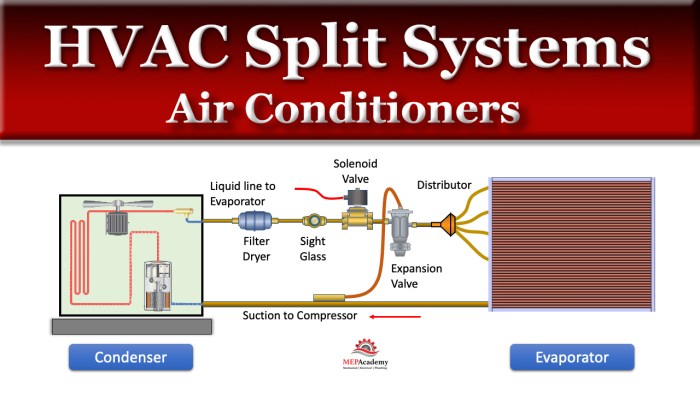
User habits play a significant role in the performance and energy efficiency of HVAC systems. How individuals interact with their heating and cooling systems can lead to either optimal operation or wasted energy. Understanding these behaviors is crucial for both reducing energy bills and promoting environmentally friendly practices. The impact of user behavior on HVAC performance can be profound. For instance, setting thermostats to extreme temperatures or neglecting regular maintenance can lead to increased energy consumption and decreased system efficiency.
To foster a more energy-conscious approach among users, education and awareness are essential.
User Education on Efficient HVAC Usage
Educating users on how to use their HVAC systems efficiently is vital for promoting energy savings. Providing clear guidelines can significantly reduce energy consumption. Here are several strategies to enhance user knowledge:
- Conduct workshops or informational sessions that cover best practices for thermostat settings, such as keeping the thermostat at a consistent temperature and utilizing programmable settings for when the home is unoccupied.
- Distribute user-friendly manuals or brochures that Artikel simple maintenance tasks, like changing filters regularly and checking for obstructions around vents.
- Leverage technology by utilizing mobile apps that remind users when to adjust settings or perform maintenance tasks based on their HVAC usage patterns.
- Encourage participation in community energy-saving challenges where users can share tips and experiences related to their HVAC systems.
Monitoring systems can also play a pivotal role in energy-efficient behavior by providing real-time data on energy usage. These systems can highlight inefficiencies and help users make informed decisions about their HVAC practices.
Monitoring Systems and Energy-Efficient Behavior
Implementing monitoring systems can significantly influence how users interact with their HVAC units. These systems offer insights into usage patterns and energy consumption, allowing homeowners to track their energy efficiency over time.
“Real-time monitoring can lead to behavior changes that reduce energy consumption by 10% to 30%.”
Monitoring tools can include smart thermostats, which learn user preferences and can automatically adjust settings for maximum efficiency. They can also provide alerts for maintenance issues, further preventing unnecessary energy waste. Additionally, many modern HVAC systems come equipped with user interfaces that display energy usage statistics, helping users understand how their daily habits affect overall performance. By making users aware of their consumption patterns, they are more likely to adopt energy-saving behaviors.
In conclusion, user behavior is a significant determinant of HVAC system performance and energy efficiency. By focusing on education and leveraging monitoring systems, homeowners can enhance their awareness and optimize their energy usage effectively.
Future Trends in HVAC Technology
As we move forward, the HVAC industry is on the brink of a significant transformation. Emerging technologies are set to redefine how heating, ventilation, and air conditioning systems operate, offering enhanced efficiency and sustainability. These advancements align with the global push towards greener solutions while ensuring optimal comfort in residential and commercial spaces.
Emerging Trends in HVAC Technologies
The HVAC sector is embracing various innovative trends that promise improved efficiency. Key developments include:
- Smart Thermostats: Devices like the Nest Learning Thermostat are revolutionizing how users interact with their HVAC systems. They learn user behaviors, enabling energy savings and optimizing performance by adjusting temperatures based on occupancy patterns.
- Variable Refrigerant Flow (VRF) Systems: VRF technology allows for simultaneous heating and cooling in different areas of a building. This modern approach significantly enhances energy efficiency compared to traditional systems.
- Geothermal Heat Pumps: These systems leverage the earth’s stable underground temperature to provide heating and cooling, drastically reducing energy consumption while utilizing a renewable energy source.
- Integrated HVAC and Building Management Systems: The integration of HVAC with other building management systems (BMS) facilitates better energy monitoring and management, creating a comprehensive approach to energy efficiency.
Impact of Artificial Intelligence in HVAC Systems
Artificial intelligence (AI) is poised to play a pivotal role in the evolution of HVAC technologies. By analyzing vast amounts of data, AI can predict system failures and suggest optimal operation schedules. This leads to enhanced reliability and reduced maintenance costs.For instance, AI algorithms can learn from historical usage patterns and environmental conditions, enabling HVAC systems to operate only when necessary.
Furthermore, predictive maintenance powered by AI helps identify potential issues before they escalate, ensuring uninterrupted service.
“AI-driven HVAC systems significantly enhance operational efficiency by reducing energy consumption and extending equipment lifespan.”
The Future of Sustainability in HVAC Design and Operation
Sustainability is becoming a focal point in HVAC design and operation. Future trends emphasize eco-friendly materials and energy-efficient practices. Key strategies include:
- Use of Renewable Energy: Integrating solar panels with HVAC systems can offset energy costs and reduce reliance on fossil fuels.
- High-Efficiency Equipment: The introduction of energy-efficient models that meet or exceed regulatory standards enhances performance while minimizing environmental impact.
- Recycling and Reusing Materials: Sustainable HVAC practices involve using recycled materials in system components, contributing to a circular economy.
As these trends gain traction, the HVAC industry is set to contribute substantially to energy conservation efforts, aligning with global sustainability goals. The integration of advanced technologies will not only improve efficiency but also foster a healthier environment.
Conclusion
In conclusion, Improving heating ventilation and air conditioning systems for better performance and energy efficiency. is not just about upgrading equipment; it’s about adopting a holistic approach that includes maintenance, user education, and design considerations. By implementing the strategies discussed, you can transform your HVAC system into a model of efficiency, ensuring a comfortable environment while minimizing energy consumption and costs.
Embrace these insights and embark on the journey toward a more energy-efficient future!
FAQ Compilation
What are the signs that my HVAC system needs improvement?
Common signs include inconsistent temperatures, high energy bills, unusual noises, and frequent breakdowns.
How often should I perform maintenance on my HVAC system?
It’s recommended to perform maintenance at least once a year, ideally before the heating and cooling seasons.
Can I install a smart thermostat myself?
Yes, many smart thermostats are designed for easy installation, but you may want to consult a professional for complex systems.
What is the average lifespan of an HVAC system?
Typically, an HVAC system can last between 15 to 25 years, depending on usage and maintenance.
Are there tax incentives for upgrading my HVAC system?
Yes, many governments offer tax credits or rebates for upgrading to energy-efficient HVAC systems. Check local regulations for specifics.


