
Electric Motorcycles are paving the way for an exciting shift in how we think about two-wheeled travel. Imagine cruising quietly through the city without the roar of a gas engine, feeling the thrill of acceleration powered by clean energy. From their humble beginnings to the burgeoning market we see today, electric motorcycles have captured the imagination of riders and enthusiasts alike.
These bikes not only offer an alternative to traditional motorcycles but also promise a more sustainable future for transportation. With advancements in technology and growing environmental awareness, the appeal of electric motorcycles is surging, making them a hot topic among riders and eco-conscious consumers.
Introduction to Electric Motorcycles
Electric motorcycles represent a significant shift in the way we think about two-wheel transportation. Unlike traditional motorcycles that rely on internal combustion engines powered by gasoline, electric motorcycles use electric motors and rechargeable batteries. This fundamental difference not only defines their operation but also influences their environmental impact, maintenance requirements, and overall riding experience.The history of electric motorcycles dates back to the late 19th century, with some of the earliest models appearing around the same time as their gas-powered counterparts.
Over the years, advancements in battery technology, electric motor efficiency, and design have led to a resurgence in electric motorcycle production. Initially viewed as a novelty, electric motorcycles have evolved into serious contenders in the realm of motorcycling, offering impressive range and performance that have attracted a diverse range of riders.
Growing Popularity of Electric Motorcycles
The rise of electric motorcycles in recent years can be attributed to several key factors. Increased awareness of environmental issues has prompted many riders to seek out sustainable transportation options. Additionally, improvements in technology have made electric motorcycles more accessible and attractive. The following points illustrate the reasons behind their growing popularity:
- Advancements in Battery Technology: Modern electric motorcycles now boast batteries that provide longer ranges, enabling riders to travel further without frequent charging.
- Lower Operating Costs: Electric motorcycles generally have lower fuel and maintenance costs compared to their gas-powered counterparts, making them financially appealing to many riders.
- Government Incentives: Various governments around the world are promoting electric vehicles through subsidies and tax breaks, further encouraging consumers to switch to electric motorcycles.
- Urban Mobility Solutions: With increasing congestion in cities, electric motorcycles offer a convenient option for quick and efficient transportation, appealing to urban dwellers.
- Performance Improvements: Many electric motorcycles now offer performance that rivals traditional motorcycles, including rapid acceleration and agility, which attracts performance-oriented riders.
Electric motorcycles have carved out a niche in the motorcycle market, appealing to a new generation of eco-conscious riders and enthusiasts alike.
Types of Electric Motorcycles
Electric motorcycles come in various types, each designed to cater to specific riding styles and preferences. Understanding these types can help riders choose the right motorcycle that fits their needs, whether it’s for commuting, touring, or off-roading. The market has evolved significantly, offering a range of models with different specifications and features.The electric motorcycle landscape primarily consists of three main types: commuter bikes, sport bikes, and touring bikes.
Each type has unique characteristics that appeal to different riders, and knowing the distinctions can enhance your riding experience.
Commuter Electric Motorcycles
Commuter electric motorcycles are designed for daily travel, offering practicality and ease of use in urban environments. They typically feature a lightweight frame, a comfortable seating position, and a range suitable for city rides.
| Model | Top Speed | Range | Battery Capacity | Weight |
|---|---|---|---|---|
| Zero FX | 85 mph | 100 miles | 7.2 kWh | 140 lbs |
| BMW C Evolution | 75 mph | 99 miles | 12 kWh | 600 lbs |
Commuter electric motorcycles emphasize efficiency and usability, making them ideal for short to medium commutes.
Pros of commuter electric motorcycles include lower operating costs and easy maintenance. They are also environmentally friendly, producing no emissions during operation. However, some cons are limited range on a single charge and less power compared to sport bikes.
Sport Electric Motorcycles
Sport electric motorcycles focus on performance, offering high speed and quick acceleration. They are designed for riders seeking an exhilarating experience with advanced features and cutting-edge technology.
| Model | Top Speed | Range | Battery Capacity | Weight |
|---|---|---|---|---|
| Lightning LS-218 | 218 mph | 100 miles | 20 kWh | 495 lbs |
| Arc Vector | 150 mph | 200 miles | 16.8 kWh | 485 lbs |
Sport electric motorcycles deliver high performance and cutting-edge design, aimed at thrill-seekers.
The advantages of sport electric motorcycles lie in their impressive performance and advanced technology features, such as regenerative braking and high-grade suspension systems. Conversely, they often come with a higher price tag and may require more frequent charging due to their powerful motors.
Touring Electric Motorcycles
Touring electric motorcycles are built for long-distance travel and comfort. These models typically offer larger battery capacities and a suite of features that enhance the riding experience over extended journeys.
| Model | Top Speed | Range | Battery Capacity | Weight |
|---|---|---|---|---|
| Harley-Davidson LiveWire | 95 mph | 146 miles | 15.5 kWh | 549 lbs |
| Energica Ego | 150 mph | 120 miles | 21.5 kWh | 573 lbs |
Touring electric motorcycles prioritize comfort and range, making them perfect for long rides.
The pros of touring electric motorcycles include extended range and comfort-focused designs with features like saddlebags and advanced infotainment systems. However, their size and weight can make them less maneuverable in urban settings, and they may take longer to charge, depending on the available charging infrastructure.
Benefits of Electric Motorcycles
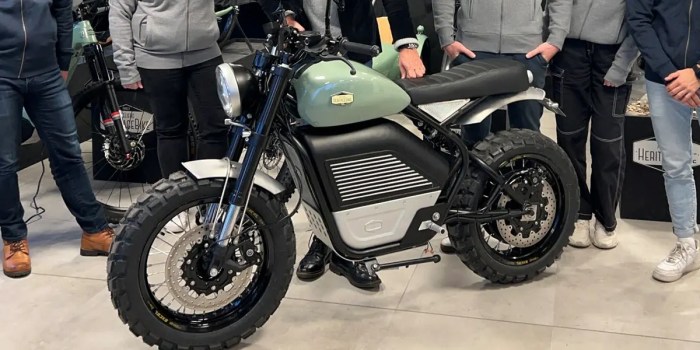
Electric motorcycles come with a myriad of advantages that make them an appealing choice for both new riders and seasoned motorcyclists. From reducing our carbon footprint to saving money over the long term, the benefits are both significant and impactful. Let’s dive into the primary benefits of switching to electric motorcycles, highlighting their environmental, financial, and maintenance aspects.
Environmental Advantages
Electric motorcycles play a crucial role in promoting a cleaner environment. They produce zero tailpipe emissions, which helps improve air quality in urban areas where pollution levels can be high. By replacing gas-powered bikes with electric alternatives, riders contribute to reducing greenhouse gas emissions, which is essential in the fight against climate change. Key points about the environmental benefits include:
-
Reduction in Air Pollution:
Electric motorcycles do not emit harmful substances like carbon monoxide or nitrogen oxides, which are prevalent in emissions from traditional motorcycles.
-
Lower Carbon Footprint:
The overall lifecycle emissions of electric motorcycles are significantly lower, especially when charged using renewable energy sources.
-
Noise Reduction:
Electric bikes operate more quietly than their gasoline counterparts, minimizing noise pollution and contributing to a more peaceful urban environment.
Cost Savings
One of the most attractive aspects of owning an electric motorcycle is the potential for cost savings. While the upfront cost may be higher than that of a traditional motorcycle, the long-term savings can be substantial.Consider the following factors when evaluating cost savings:
-
Fuel Savings:
Charging an electric motorcycle is typically cheaper than filling up a gas tank, leading to significant savings on fuel costs over time.
-
Tax Incentives:
Many regions offer tax rebates and incentives for purchasing electric vehicles, which can offset the initial investment.
-
Lower Operating Costs:
With fewer moving parts, electric motorcycles generally incur lower operational costs, including cheaper insurance and less frequent battery replacements.
Maintenance Benefits
Maintaining an electric motorcycle is often easier and less costly compared to gas-powered bikes. The simplified mechanics of electric motors lead to reduced maintenance needs, which translates to a hassle-free ownership experience.Important maintenance benefits include:
-
Fewer Moving Parts:
Electric motorcycles have significantly fewer moving parts than traditional engines, which means fewer components to wear out or break down.
-
No Oil Changes:
Unlike gas bikes, electric motorcycles do not require oil changes, saving both money and time on maintenance.
-
Regenerative Braking:
Many electric models feature regenerative braking systems that not only conserve energy but also reduce wear on brake components, leading to longer intervals between replacements.
Technology Behind Electric Motorcycles
Electric motorcycles are not just a green alternative to traditional bikes; they represent the forefront of technological innovation in the automotive world. Understanding the components that make up these machines is key to appreciating their performance and efficiency. At the heart of every electric motorcycle lies a sophisticated blend of technology that combines power, efficiency, and sustainability.
Key Components of Electric Motorcycles
The main components that define electric motorcycles include the electric motor, battery packs, controllers, and chassis. Each component plays a significant role in the overall performance and efficiency of the motorcycle.
- Electric Motor: The electric motor is the powerhouse of the motorcycle, converting electrical energy into mechanical energy. Most electric motorcycles use brushless DC motors, known for their high efficiency and reliability.
- Battery Pack: The battery pack stores electrical energy for the motor. Lithium-ion batteries are the most common type due to their high energy density and lightweight properties. A typical electric motorcycle may have a battery capacity ranging from 10 kWh to 20 kWh.
- Controller: The controller manages the flow of electricity from the battery to the motor. It ensures that the right amount of power is delivered for acceleration and braking, effectively controlling the motorcycle’s speed and responsiveness.
- Chassis and Frame: The chassis of electric motorcycles is often designed with lightweight materials such as aluminum or carbon fiber to enhance performance and battery efficiency. This helps in achieving a better power-to-weight ratio.
Role of Batteries and Charging Systems
Batteries are the lifeblood of electric motorcycles, and their technology has advanced significantly in recent years. Charging systems also play a crucial role in the usability of electric motorcycles, impacting how and when riders can recharge.
The role of the battery extends beyond just powering the bike; it also influences range, weight, and performance. A high-capacity battery can provide longer riding distances, which is critical for the rider’s experience. Additionally, fast charging options have emerged, allowing riders to charge their batteries quickly, minimizing downtime.
| Type of Battery | Typical Capacity | Charging Time | Range |
|---|---|---|---|
| Lithium-Ion | 10-20 kWh | 2-8 hours | 60-200 miles |
| Lead-Acid | 5-10 kWh | 6-12 hours | 30-80 miles |
Advancements in Electric Motorcycle Technology
Recent advancements in technology continue to enhance electric motorcycle performance, making them more competitive with traditional gas-powered bikes.
Innovations such as regenerative braking systems allow riders to recharge their batteries while slowing down, improving overall efficiency. Additionally, smart connectivity features are being integrated, providing real-time data to riders about battery status, range, and even route optimization. Furthermore, advancements in motor design and battery chemistry are leading to lighter, more powerful electric motors and longer-lasting batteries.
“The future of electric motorcycles lies in the continuous evolution of battery technology and electric drivetrains, making them faster, lighter, and more efficient.”
Comparison with Gas-Powered Motorcycles
When it comes to choosing between electric motorcycles and traditional gas-powered bikes, there are several performance metrics and riding experiences to consider. While both have their unique appeals, understanding the distinctions can greatly influence a rider’s decision. This comparison will explore the performance, riding experiences, and key differences in efficiency and cost between electric and gas-powered motorcycles.
Performance Metrics
Electric motorcycles offer impressive performance metrics that often surpass those of gas-powered motorcycles in several key areas. The instant torque provided by electric motors allows for rapid acceleration, giving electric bikes superior take-off speeds. For example, many electric models can reach 0-60 mph in less than four seconds, whereas gas bikes typically take longer due to the mechanical nature of their engines.The following table provides a clearer insight into the performance comparison:
| Performance Metric | Electric Motorcycles | Gas-Powered Motorcycles |
|---|---|---|
| Acceleration (0-60 mph) | 2-4 seconds | 4-6 seconds |
| Top Speed | Up to 200 mph | Up to 200+ mph |
| Range per Charge/Tank | 70-300 miles | 100-300 miles |
| Fuel Efficiency | Equivalent to 100-150 MPG | 25-60 MPG |
Riding Experience Differences
The riding experience on electric motorcycles is notably different compared to gas-powered counterparts. Electric bikes provide a quieter ride, as they produce minimal noise compared to the rumble of a gas engine. This not only enhances the enjoyment of the ride but also contributes to a more eco-friendly experience.Another significant difference is the lack of vibrations typically associated with gas engines.
Electric motorcycles deliver a smoother and more comfortable ride, particularly on long journeys. Riders often report feeling more in control, thanks to the instant power response and the overall balance that electric motorcycles offer.
“Electric motorcycles provide a serene riding experience, allowing riders to focus on the journey rather than engine noise.”
In addition, the maintenance requirements differ significantly. Electric motorcycles have fewer moving parts, leading to reduced maintenance needs. Gas-powered motorcycles, on the other hand, require regular oil changes, air filter replacements, and other mechanical upkeep.
Efficiency and Cost Comparison
Understanding the efficiency and cost aspects of both motorcycle types is crucial for potential buyers. Electric motorcycles are often lauded for their lower operating costs, primarily due to the price of electricity being significantly less than gasoline. Additionally, they require less maintenance, which translates to lower long-term costs.The table below summarizes key distinctions in efficiency and cost:
| Cost Efficiency Aspect | Electric Motorcycles | Gas-Powered Motorcycles |
|---|---|---|
| Initial Purchase Price | Higher (due to battery technology) | Varies widely |
| Cost per Mile | 1-3 cents | 6-15 cents |
| Maintenance Costs | Lower | Higher |
| Resale Value | Varies, but increasing demand | Generally stable |
Challenges Facing Electric Motorcycles
Electric motorcycles are gaining traction in the market, but they encounter various challenges that hinder their widespread adoption. Understanding these challenges is crucial for potential buyers and manufacturers alike. This section explores the key issues facing electric motorcycles, particularly focusing on charging infrastructure, battery range limitations, and regulatory hurdles.
Charging Infrastructure Limitations
The availability of charging stations is one of the most significant challenges facing electric motorcycles. Unlike gas stations, which are plentiful and easily accessible, charging stations for electric motorcycles are still limited in many areas. The importance of a robust charging network cannot be overstated, as it directly affects the convenience and practicality of owning an electric bike. Here are some aspects to consider regarding charging infrastructure:
- The density of charging stations varies greatly by region, with urban areas generally better served than rural locations.
- Many charging stations are designed primarily for cars, making them less accessible for motorcycles, which require different types of charging connectors.
- Charging times can vary significantly, with some stations providing rapid charging while others take much longer, which can be a deterrent for potential buyers.
Battery Range Limitations
Battery range remains a critical factor that affects the decision-making process for electric motorcycle buyers. While advancements in battery technology are being made, many electric motorcycles still cannot match the range of their gas-powered counterparts. The implications of battery range limitations are evident, as they can impact the overall usability of electric motorcycles. Consider the following points:
- Most electric motorcycles offer a range of around 50 to 150 miles on a single charge, which may be insufficient for long-distance riders.
- Factors such as riding style, terrain, and weather conditions can significantly affect the actual range experienced by the rider.
- Potential range anxiety can discourage riders from opting for electric motorcycles, as they may fear running out of battery power during a ride.
Regulatory Hurdles for Manufacturers
Navigating the regulatory landscape poses challenges for electric motorcycle manufacturers. Regulations can vary widely from one country to another, creating complications for companies aiming to market their products globally. Regulatory hurdles can slow down innovation and increase costs for manufacturers. Key regulatory challenges include:
- Different countries have varying standards for electric motorcycle safety and performance, complicating compliance for manufacturers.
- Inconsistent incentives and subsidies for electric vehicles can impact market demand and manufacturers’ financial viability.
- Some regions impose stricter emissions regulations, which can be difficult for manufacturers to meet, particularly if they are transitioning from gas to electric models.
Future of Electric Motorcycles
The future of electric motorcycles is poised for significant transformations driven by innovation, evolving consumer preferences, and advancements in technology. As more riders seek sustainable transportation options, the electric motorcycle market is expected to expand dramatically, leading to exciting developments in design, performance, and infrastructure.Emerging trends indicate a shift in the motorcycle industry towards more eco-friendly and technologically advanced models.
With growing awareness of environmental issues and a push for carbon neutrality, manufacturers are investing heavily in electric variants. These trends not only foster the development of better-performing electric motorcycles but also promote a more extensive network of charging stations, contributing to increased consumer confidence in electric mobility.
Technological Innovations Shaping Electric Motorcycles
Several technological innovations are set to revolutionize electric motorcycles, enhancing their appeal and performance. Important areas of development include:
- Battery Technology: Advances in battery technology, such as solid-state batteries or lithium-sulfur batteries, promise to deliver longer ranges, shorter charging times, and improved safety. For instance, companies like QuantumScape are working on solid-state batteries that could significantly enhance energy density.
- Smart Connectivity: Integration of IoT features into electric motorcycles will allow for real-time data sharing, performance monitoring, and enhanced rider safety. This includes features like connected apps for navigation, diagnostics, and even remote updates.
- Lightweight Materials: The use of composite materials and advanced alloys can reduce the weight of electric motorcycles, improving their efficiency and handling. Manufacturers like Harley-Davidson have begun experimenting with these materials to create lighter models.
- Advanced Powertrains: Innovations such as dual-motor setups or hub motors can enhance performance and traction control, providing a smoother riding experience. Brands like Zero Motorcycles are already incorporating advanced motor technology to improve acceleration and handling.
Market Growth and Consumer Adoption Predictions
The electric motorcycle market is expected to experience exponential growth in the coming years, driven by increasing consumer demand and supportive government policies. According to recent market research, the global electric motorcycle market is projected to grow at a compound annual growth rate (CAGR) of over 7% from 2023 to 2030. This growth is supported by enhancements in infrastructure, such as more widespread charging stations and incentives for electric vehicle adoption.Consumer adoption is also influenced by changing perceptions of electric motorcycles.
More riders are recognizing the benefits of electric bikes, including lower maintenance costs, reduced emissions, and the thrill of instant torque. Brands like Energica and KTM are catering to this shift by offering high-performance electric models that appeal to enthusiasts, demonstrating that electric motorcycles are not only practical but also exhilarating to ride.
“The future of electric motorcycles lies in a blend of innovative technology, sustainable practices, and a community of passionate riders.”
Safety Considerations
Electric motorcycles offer a thrilling ride, but safety should always be a top priority for riders. Understanding the unique safety features of electric motorcycles, alongside the importance of protective gear, is crucial for enhancing the overall riding experience. As the popularity of electric motorcycles continues to rise, it’s essential to be mindful of the specific safety considerations that come with them.
Safety Features of Electric Motorcycles
Electric motorcycles are designed with various safety features that sometimes surpass those found in traditional gas-powered models. Many electric motorcycles incorporate advanced technologies such as regenerative braking, which not only contributes to energy efficiency but also provides smoother stops. Furthermore, the low center of gravity in electric bikes enhances stability, making them less prone to tipping during sharp turns. Some models feature traction control systems and anti-lock braking systems (ABS) that improve handling and prevent wheel lock-up during sudden braking.Additionally, smart technology in electric motorcycles often includes features like automatic headlights, turn signals, and even collision detection systems.
These systems can alert riders of potential hazards, making them more aware of their surroundings. The quiet operation of electric bikes can be a double-edged sword; while they reduce noise pollution, it’s essential for riders to remain vigilant, as pedestrians and other vehicles may not hear them approaching.
Importance of Protective Gear
When riding an electric motorcycle, wearing the right protective gear is essential for safety. This gear goes beyond the basics to ensure that riders are well-protected from potential injuries during rides. Helmets certified by safety organizations, gloves, jackets made from abrasion-resistant materials, and sturdy boots can significantly reduce the risk of injury in case of an accident. Riders should choose gear that fits well and is designed to withstand various weather conditions, as comfort can directly affect performance and concentration on the road.
High-visibility gear can enhance visibility, especially in low-light conditions, ensuring that other road users can see the rider clearly.
Safety Tips for New Electric Motorcycle Riders
For new electric motorcycle riders, adhering to safety protocols is vital for a safe riding experience. Below is a checklist of essential safety tips that new riders should keep in mind:
- Always wear a DOT-approved helmet and protective gear.
- Familiarize yourself with the motorcycle’s features and controls before riding.
- Start riding in low-traffic areas to build confidence and skill.
- Maintain a safe distance from other vehicles, especially in urban areas.
- Use turn signals and check blind spots before changing lanes or turning.
- Stay visible by wearing bright or reflective clothing.
- Avoid riding in adverse weather conditions, such as heavy rain or strong winds.
- Regularly check tire pressure, brakes, and lights to ensure everything is functioning properly.
- Take a motorcycle safety course to enhance your riding skills and awareness.
By following these safety tips and being mindful of the unique characteristics of electric motorcycles, new riders can enjoy their riding experience while minimizing risks on the road.
Community and Culture
The electric motorcycle community is vibrant and growing, uniting enthusiasts from diverse backgrounds who share a passion for sustainable riding. This community not only fosters camaraderie but also encourages the exchange of ideas, experiences, and innovations in the realm of electric motorcycles. As electric vehicles gain momentum, this culture is evolving with numerous events, online forums, and gatherings dedicated to celebrating these machines.
Events and Gatherings Focused on Electric Motorcycles
Various events and gatherings highlight the electric motorcycle scene, offering enthusiasts a chance to connect, share knowledge, and showcase their rides. These gatherings can range from small local meetups to large-scale festivals. Here are some notable events:
- Electric Motorcycle Festival: This festival showcases the latest models, features demo rides, and includes panel discussions on electric vehicle technology and sustainability.
- Zero Motorcycles Open House: Zero, a leading electric motorcycle manufacturer, hosts open house events where fans can test ride new models and meet fellow enthusiasts.
- Electric Vehicle Symposium: A sprawling event featuring electric motorcycles alongside other electric vehicles, promoting discussions on the future of transportation.
These events not only celebrate the innovation behind electric motorcycles but also create a platform for networking and sharing riding experiences.
Popular Forums and Online Groups for Electric Motorcycle Discussions
The digital landscape is rich with online forums and groups dedicated to electric motorcycle discussions. These platforms are essential for sharing advice, troubleshooting issues, and discussing the latest developments. Some popular platforms include:
- Electric Motorcycles Forum: A dedicated space where users can discuss everything from technical issues to riding tips.
- Reddit – r/ElectricMotorcycles: A subreddit that serves as a community hub for sharing news, experiences, and questions related to electric motorcycles.
- Facebook Groups: Numerous groups exist on Facebook where enthusiasts share modifications, organize rides, and discuss various electric motorcycle brands.
Joining these forums allows riders to immerse themselves in the community, gain insights from experienced riders, and stay updated on industry trends.
Outcome Summary
As we ride into the future, electric motorcycles stand out as a symbol of innovation and sustainability in the biking world. With a range of options, benefits, and a passionate community behind them, these machines are not just a trend but a significant step toward greener roads. Whether you’re a seasoned rider or a curious newcomer, the electric motorcycle journey offers something for everyone.
Popular Questions
How far can electric motorcycles travel on a single charge?
Most electric motorcycles can travel between 40 to 150 miles on a single charge, depending on the model and riding conditions.
How long does it take to charge an electric motorcycle?
Charging times vary but typically range from 3 to 8 hours for a full charge, depending on the battery size and charger type.
Are electric motorcycles more expensive than gas motorcycles?
Electric motorcycles generally have a higher upfront cost, but the savings on fuel and maintenance can make them cheaper over time.
Do electric motorcycles require special maintenance?
While they require less maintenance than gas motorcycles, regular checks on the battery, tires, and brakes are still important.
Are there any government incentives for buying electric motorcycles?
Yes, many regions offer tax credits, rebates, or other incentives to encourage the purchase of electric vehicles, including motorcycles.


