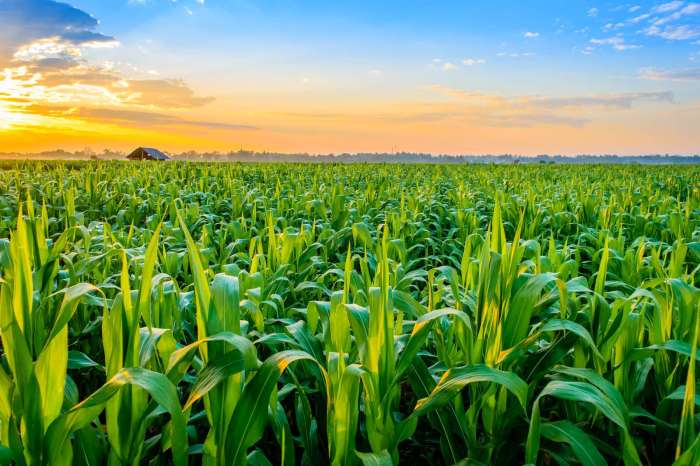
Crop Diversification is all about mixing things up in agriculture, and it’s not just a trend; it’s a crucial practice for modern farmers. By growing a variety of crops instead of sticking to just one, farmers can boost their resilience against pests, diseases, and climate changes.
This practice has roots deep in agricultural history and has evolved significantly over time, responding to both environmental changes and market demands. As farming faces new challenges, understanding the importance of crop diversification becomes essential for sustainable food production and economic stability.
Introduction to Crop Diversification
Crop diversification refers to the practice of growing a variety of crops in a given area, rather than focusing on a single crop or a limited range of crops. This strategy is significant in agriculture as it enhances resilience against pests, diseases, and market fluctuations while improving soil health and increasing biodiversity. By diversifying crops, farmers can better secure their livelihoods and contribute to sustainable agricultural practices.Historically, crop diversification has evolved from traditional farming systems where polyculture was common, particularly in regions where smallholder farmers relied on multiple crops for food security.
Over the years, with the advent of monoculture practices driven by industrial agriculture, the importance of crop diversification has been rediscovered, especially as the consequences of climate change and declining soil health become more pressing. Farmers are increasingly recognizing that integrating multiple crops can lead to synergistic benefits, optimizing resource use and minimizing risk.
Factors Influencing Crop Diversification Adoption
Several factors drive farmers to adopt crop diversification. These factors can be categorized into economic, environmental, and socio-cultural influences.Economic factors play a crucial role. Farmers often diversify to:
- Mitigate financial risks associated with market volatility. Growing multiple crops can spread income sources and reduce reliance on a single crop.
- Improve soil fertility and health, which can lead to better yields over time, thus enhancing overall profitability.
- Access new markets and expand customer bases by offering a wider range of products.
Environmental factors also significantly impact the decision to diversify crops. The benefits include:
- Enhanced resilience to climate change. Diverse cropping systems can adapt better to extreme weather conditions.
- Reduction of pests and diseases due to increased biodiversity, resulting in lower dependency on chemical pesticides.
- Improved soil health through crop rotation and intercropping, which can lead to sustainable farming practices.
Socio-cultural influences are equally vital. Farmers may choose to diversify because:
- Community practices and traditions encourage polyculture, promoting a cultural identity tied to sustainable and varied farming methods.
- Educational initiatives and government policies advocating for crop diversification can motivate farmers to innovate and adopt new practices.
- Access to resources such as training, financial assistance, and market information can facilitate the transition to diversified cropping systems.
Each of these factors interacts in complex ways, influencing farmers’ decisions and ultimately shaping agricultural landscapes.
Benefits of Crop Diversification

Crop diversification provides a multitude of advantages that stretch across economic, environmental, and nutrition-related dimensions. By moving away from the traditional practice of mono-cropping, farmers can enhance their resilience against market fluctuations, climate change, and pest infestations. This section explores the various benefits of diversifying crops, emphasizing the positive impacts on the economy, the environment, and food security.
Economic Advantages of Crop Diversification
Diversifying crops can significantly improve the economic stability of farming operations. By not relying on a single crop, farmers reduce their risk and create more opportunities for income generation. The following points illustrate the economic advantages of crop diversification:
- Increased Revenue: Growing multiple crops allows farmers to tap into different market demands, potentially increasing their overall revenue streams.
- Reduced Price Fluctuations: With a diversified portfolio, farmers are less vulnerable to price drops in any single crop, as other crops may continue to generate income.
- Cost Efficiency: Crop rotation helps in managing soil fertility and reduces the need for chemical fertilizers, leading to cost savings.
- Access to New Markets: Farmers can explore niche markets for organic or specialty crops, further enhancing their profitability.
Environmental Benefits of Crop Diversification
Crop diversification plays a crucial role in fostering environmental health and sustainability. It promotes soil health and enhances biodiversity, which are essential for maintaining ecosystem balance. Here are some environmental benefits associated with diversifying crops:
- Improved Soil Health: Rotating crops can improve soil structure, nutrient content, and microbial activity, making soils more fertile and resilient.
- Biodiversity Enhancement: A variety of crops supports a wider range of flora and fauna, contributing to greater biodiversity, which is vital for pest control and pollination.
- Water Management: Diverse plant root systems help in better water retention and reduce soil erosion, leading to more efficient use of water resources.
- Reduced Pest Infestation: With multiple crops, pest populations can be managed more effectively, reducing the need for chemical pest control measures.
Impact on Food Security and Nutrition
Crop diversification is also integral to enhancing food security and improving nutritional outcomes. By growing various crops, farmers can ensure a more stable and diverse food supply. The following points highlight the importance of crop diversification for food security and nutrition:
- Diverse Food Supply: A variety of crops leads to a more stable food supply, which is essential for feeding growing populations.
- Nutritional Variety: Different crops provide a range of nutrients, helping to combat malnutrition and providing a balanced diet for communities.
- Local Resilience: Diverse local crops can adapt better to regional climatic conditions, securing food sources during adverse conditions.
- Empowerment of Smallholder Farmers: Crop diversification can empower smallholder farmers by enabling them to produce a variety of foods for local markets and their families.
Methods of Implementing Crop Diversification
Crop diversification is an essential strategy for farmers seeking to enhance sustainability and profitability. By introducing a variety of crops, farmers can improve soil health, reduce pest pressures, and increase resilience against climate variability. This section Artikels effective methods for implementing crop diversification.
Techniques for Effective Crop Diversification
Farmers can adopt several techniques to implement crop diversification effectively. These methods not only enhance productivity but also contribute to ecological balance. Below are popular techniques that facilitate diversification:
- Intercropping: This method involves growing two or more crops simultaneously on the same field. For instance, planting corn with beans allows the beans to fix nitrogen in the soil, benefiting the corn.
- Crop Rotation: Alternating the types of crops grown on a particular piece of land over seasons helps in breaking pest and disease cycles while improving soil fertility.
- Agroforestry: Integrating trees and shrubs with crops can enhance biodiversity, improve soil structure, and provide additional income sources such as fruits or timber.
- Cover Cropping: Planting cover crops during off-seasons can prevent soil erosion, enhance soil organic matter, and suppress weeds.
Popular Crop Combinations and Their Benefits
Different crop combinations can lead to improved yields and ecological benefits. Below is a table showcasing popular combinations and their advantages:
| Crop Combination | Benefits |
|---|---|
| Corn and Beans | Beans enhance nitrogen availability for corn, leading to better yields. |
| Wheat and Peas | Peas help in controlling weeds and improving soil structure while providing additional harvest. |
| Tomatoes and Basil | Basil can repel pests that affect tomatoes and enhance their growth. |
| Cabbage and Carrots | This combination helps in utilizing different soil layers and reducing competition for nutrients. |
Role of Agroecology in Facilitating Crop Diversification
Agroecology plays a pivotal role in promoting crop diversification by emphasizing ecological principles in agricultural practices. This approach encourages the use of local resources and traditional knowledge, leading to sustainable farming systems. Key aspects of agroecology that support diversification include:
- Enhancing Biodiversity: Agroecological practices promote a variety of species, which helps maintain balanced ecosystems and reduces reliance on chemical inputs.
- Soil Health Improvement: Practices such as cover cropping and composting are encouraged, enhancing soil fertility and structure.
- Climate Resilience: By diversifying crops, agroecology helps farmers adapt to climate variability, reducing risks associated with monoculture systems.
- Community Engagement: Agroecology fosters collaboration and knowledge sharing among farmers, leading to collective improvements in farming practices.
Challenges of Crop Diversification
Crop diversification may seem like a pathway to resilience and sustainability, but it does come with its fair share of challenges. Farmers aiming to diversify their crops often face economic, climatic, and social barriers that can complicate the process. Understanding these obstacles is essential for developing effective strategies that can promote successful diversification while maintaining agricultural productivity.Economic barriers are often the most significant hurdles to crop diversification.
Farmers may lack the necessary capital to invest in new crops or may be hesitant to shift from traditional crops that guarantee stable income. Many also face issues with market access, as they may not have established channels for selling new produce. The cost of seeds, fertilizers, and the potential need for new equipment can add additional financial strain.
Climatic Challenges
Climatic conditions can seriously impact the success of crop diversification efforts. Farmers may struggle with unpredictable weather patterns, including droughts or excessive rain, which can adversely affect crop yields. Different plants have varying resilience to climatic stressors, meaning that the introduction of new crops may not always result in higher productivity. Farmers must also consider the specific growing conditions and timelines for new crops, which can differ significantly from their traditional varieties.To overcome climatic challenges, farmers can adopt several strategies:
- Implementing agroforestry systems to enhance microclimates.
- Utilizing drought-resistant crop varieties that can withstand adverse weather conditions.
- Engaging in soil conservation techniques to improve soil health and water retention.
Social Barriers
Social factors also play a crucial role in the challenges of crop diversification. Farmers may encounter resistance from community norms and traditional practices that favor certain crops over others. Additionally, a lack of access to education and training on new agricultural practices can hinder their ability to diversify successfully. There is often a psychological barrier as well; farmers may be reluctant to change their established routines, fearing the unknown consequences.Addressing social barriers can involve the following approaches:
- Conducting community workshops to promote awareness and education about the benefits of diversification.
- Establishing cooperative groups that facilitate knowledge sharing and resource pooling among farmers.
- Encouraging government and NGO support to provide training programs tailored to local needs.
By recognizing these challenges and implementing targeted strategies, farmers can pave the way for successful crop diversification, ultimately leading to more sustainable agricultural practices and improved livelihoods.
Case Studies on Successful Crop Diversification
Crop diversification has been embraced by numerous regions and countries as a means to enhance agricultural resilience, improve food security, and boost economic returns for farmers. By diversifying crops, farmers can reduce reliance on single crops, mitigate risks associated with climate change, and address market fluctuations. This section explores notable examples of successful crop diversification initiatives and the lessons gleaned from these endeavors.In countries like India and Brazil, various projects have highlighted the advantages of diversifying crops.
These projects not only enhance income but also promote sustainable farming practices. Specific success stories include the introduction of pulses in traditional rice and wheat cropping systems in India, as well as Brazil’s adoption of agroforestry systems that combine fruit trees with annual crops. Such case studies serve as valuable references for other regions aiming to implement similar strategies.
Successful Crop Diversification Examples
The following examples showcase successful crop diversification projects and their positive outcomes:
India’s Pulse Production
In the Indian states of Punjab and Haryana, farmers have incorporated pulses into their crop rotations. This shift has increased soil fertility, reduced input costs, and provided a profitable alternative to traditional rice and wheat. The government’s support through training and subsidies has been crucial in this transition.
Brazil’s Agroforestry Systems
In Brazil’s Amazon region, agroforestry practices have combined timber with crops like bananas and cacao. This approach has improved biodiversity, decreased deforestation rates, and provided farmers with multiple income streams. The integration of trees into farming systems has also enhanced carbon sequestration.
Vietnam’s Rice-Duck Farming System
In the Mekong Delta, farmers have adopted a rice-duck system. Ducks are allowed to roam in rice fields, controlling pests and providing natural fertilizer through their droppings. This method has led to increased rice yields and provided an additional source of protein for families.The following insights were drawn from these case studies, highlighting key lessons learned:
- Flexibility in Practices: Adapting crop choices to local conditions and market demands is essential for success.
- Government Support: Policies and incentives play a vital role in encouraging farmers to adopt diversification methods.
- Education and Training: Providing farmers with access to knowledge and skills ensures effective implementation of diversification strategies.
- Biodiversity Importance: Diversifying crops contributes to ecosystem health and resilience against pests and diseases.
- Community Engagement: Involving local communities in planning and implementation fosters ownership and enhances sustainability.
Future Trends in Crop Diversification
As agriculture continues to evolve, crop diversification is poised to play a significant role in shaping sustainable farming practices. The future of crop diversification is not just about increasing yields but also about enhancing resilience against climate change, pests, and market fluctuations. By embracing diversification, farmers can cultivate a more adaptive and robust agricultural system that meets the growing demands of food security while preserving the environment.Technological advancements and innovative practices are emerging as key drivers in the evolution of crop diversification.
Farmers are increasingly leveraging these tools to optimize their production systems, reduce risks, and improve overall farm profitability. The integration of smart farming technologies, precision agriculture, and data analytics is revolutionizing how crops are managed and diversified, leading to more efficient and effective farming practices.
Emerging Trends in Crop Diversification
Several trends are shaping the future of crop diversification, reflecting a shift towards more sustainable and resilient agricultural practices. Understanding these trends can provide insights into how farmers can adapt to changing conditions and market demands. Here’s a look at some of the key trends:
- Increased focus on agroecology: Many farmers are adopting agroecological principles, which emphasize biodiversity, soil health, and ecosystem services. This approach not only promotes crop diversification but also enhances sustainability and resilience.
- Integration of cover crops: Cover cropping is gaining popularity as a method to enhance soil fertility, prevent erosion, and improve water conservation. These crops are integrated into rotation systems, providing additional income and ecological benefits.
- Adoption of climate-resilient crops: Farmers are increasingly shifting to climate-resilient varieties that can withstand extreme weather conditions, such as droughts and floods. This trend helps mitigate the risks associated with climate change.
- Emphasis on local and indigenous crops: There is a growing interest in cultivating local and indigenous crops that are well-suited to specific regions. These crops often require fewer inputs and can be more resilient to local pests and diseases.
- Market-driven diversification: Farmers are responding to consumer demand for diverse food options by growing a wider variety of crops. This trend not only caters to changing dietary preferences but also enhances market opportunities.
Role of Technology and Innovation
Technology is playing a crucial role in advancing crop diversification and enhancing farming practices. Innovations such as precision agriculture tools, remote sensing, and genetic engineering are enabling farmers to make informed decisions about crop selection and management. Some of the key technological advancements include:
- Precision agriculture: Utilizing GPS and data analytics, farmers can optimize resource use, manage crop health, and monitor yield variability. This targeted approach allows for better decision-making regarding crop diversification.
- Remote sensing and drones: These technologies provide real-time data on crop conditions, soil health, and environmental factors. Farmers can quickly assess which crops perform best under varying conditions and adjust their strategies accordingly.
- Genetic modification and biotechnology: Advances in biotechnology are leading to the development of crop varieties that are more resilient to pests, diseases, and climate stressors. This innovation supports the cultivation of diverse crops that can thrive in changing environments.
- Data management and analytics: Data-driven decision-making is revolutionizing agriculture. By analyzing historical data and predictive models, farmers can identify profitable crop combinations and optimize their diversification strategies.
Importance of Policy Support
Effective policy support is paramount for promoting diversified farming systems. Governments and institutions play a critical role in creating an enabling environment that encourages farmers to adopt diversification practices. Key areas where policy support can make a difference include:
- Financial incentives and subsidies: Providing financial assistance and subsidies for farmers who implement diversified practices can significantly boost adoption rates. This support can help cover initial costs associated with switching to new crops.
- Research and development funding: Investing in research to develop new crop varieties and sustainable practices is essential. Policymakers should prioritize funding for agricultural research that focuses on crop diversification and its benefits.
- Education and training programs: Equipping farmers with knowledge and skills through training programs can enhance their understanding of crop diversification benefits and practices. This education can empower them to make informed choices.
- Market access and infrastructure: Ensuring that farmers have access to markets for their diversified crops, along with the necessary infrastructure, is crucial. This support helps farmers to realize the economic benefits of diversification.
- Environmental regulations and support: Implementing supportive environmental regulations that promote sustainable farming practices can encourage crop diversification while protecting natural resources.
Community Involvement and Education
Community engagement plays a pivotal role in promoting crop diversification, facilitating knowledge sharing, and fostering a collaborative spirit among farmers. When communities come together to discuss agricultural practices, they create a supportive environment that encourages innovation and sustainable practices. This collective effort not only enhances food security but also boosts local economies by diversifying income sources for farmers.Educational programs and workshops serve as vital platforms for encouraging farmers to diversify their crop selections.
These initiatives provide farmers with the necessary tools and knowledge to make informed decisions about which crops to introduce into their rotations. By focusing on hands-on learning and practical applications, these educational efforts can significantly enhance the skills of local farmers and their resilience to market fluctuations and climate change.
Educational Programs and Workshops
Various educational programs and workshops are designed to equip farmers with the knowledge and skills needed for crop diversification. These programs emphasize practical learning, enabling farmers to apply new techniques directly to their fields. The importance of these educational initiatives includes:
- Workshops on soil health and crop rotation strategies, which help farmers understand the benefits of planting diverse crops to improve soil fertility and health.
- Demonstration farms set up by agricultural extension services where farmers can observe successful crop diversification practices in real-time, facilitating experiential learning.
- Networking events that connect farmers with agricultural experts and other farmers who have successfully diversified their crops, promoting knowledge exchange and collaboration.
- Online courses and webinars that provide flexible learning opportunities, allowing farmers to access valuable information at their convenience.
Role of Extension Services
Extension services play a critical role in supporting crop diversification initiatives by providing farmers with guidance, resources, and the latest research findings. These services bridge the gap between scientific research and practical application in agriculture, ensuring that farmers have access to cutting-edge techniques and practices.The support from extension services includes:
- Individual consultations where extension agents visit farms to assess conditions and provide tailored recommendations for crop diversification strategies.
- Access to research publications and case studies that showcase successful crop diversification efforts, helping farmers learn from their peers.
- Facilitation of community meetings where farmers can discuss challenges and share successes related to crop diversification, fostering a sense of community and collaboration.
- Provision of resources such as seed banks and partnerships with local agricultural suppliers to ensure farmers can easily access diverse crop varieties.
Last Word
In conclusion, Crop Diversification offers numerous advantages, from enhancing soil health to providing economic benefits and food security. By embracing diverse cropping systems, farmers can engage with sustainable practices that not only support their livelihoods but also promote a healthier planet.
Quick FAQs
What is crop diversification?
Crop diversification involves growing multiple types of crops within the same area to enhance resilience and productivity.
How can crop diversification improve soil health?
Diverse crops can improve soil structure, increase organic matter, and enhance nutrient cycling, leading to healthier soils.
What are some common challenges in implementing crop diversification?
Challenges include economic constraints, lack of knowledge, and climatic unpredictability, which can limit farmers’ ability to diversify.
How can technology aid in crop diversification?
Technological advancements can provide farmers with better data on crop performance, pest management, and soil health, facilitating informed decisions.
Why is community involvement important in crop diversification?
Community engagement fosters knowledge sharing and support networks, essential for encouraging farmers to adopt diversified practices.


